How to Use Google Maps Offline for European City Breaks: Complete Download Guide
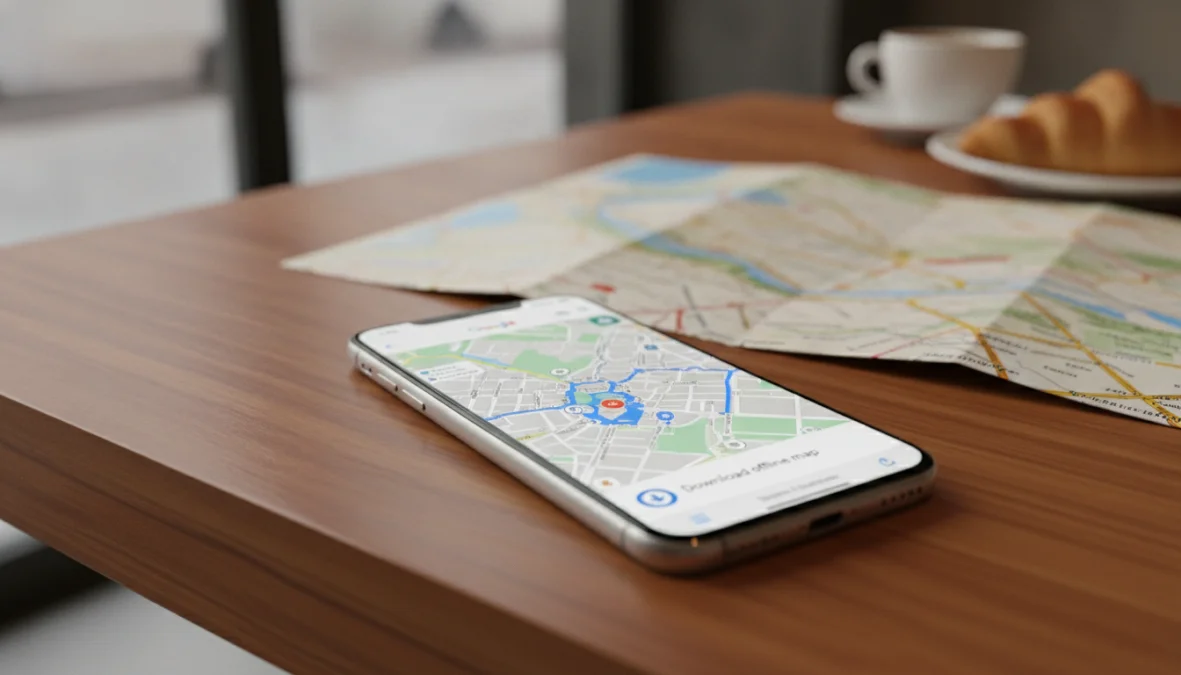
Picture this: you’re wandering through the narrow cobblestone streets of Prague, your phone’s roaming data exhausted, and you desperately need directions to that hidden brewery you bookmarked. Panic sets in—until you remember you downloaded google maps offline europe before leaving your hotel. Using Google Maps offline for European city breaks isn’t just a nice-to-have feature; it’s an absolute travel essential that can save you from getting lost, avoid astronomical mobile data roaming europe charges, and keep your city break planning stress-free. Let me walk you through everything you need to know about navigating European cities without burning through data or your sanity.
How to Download and Save Google Maps Offline for Europe
Learning how to download google maps offline is surprisingly straightforward, but there are some crucial details you need to know before your European adventure begins. Here’s the complete step-by-step process for both iOS and Android users.
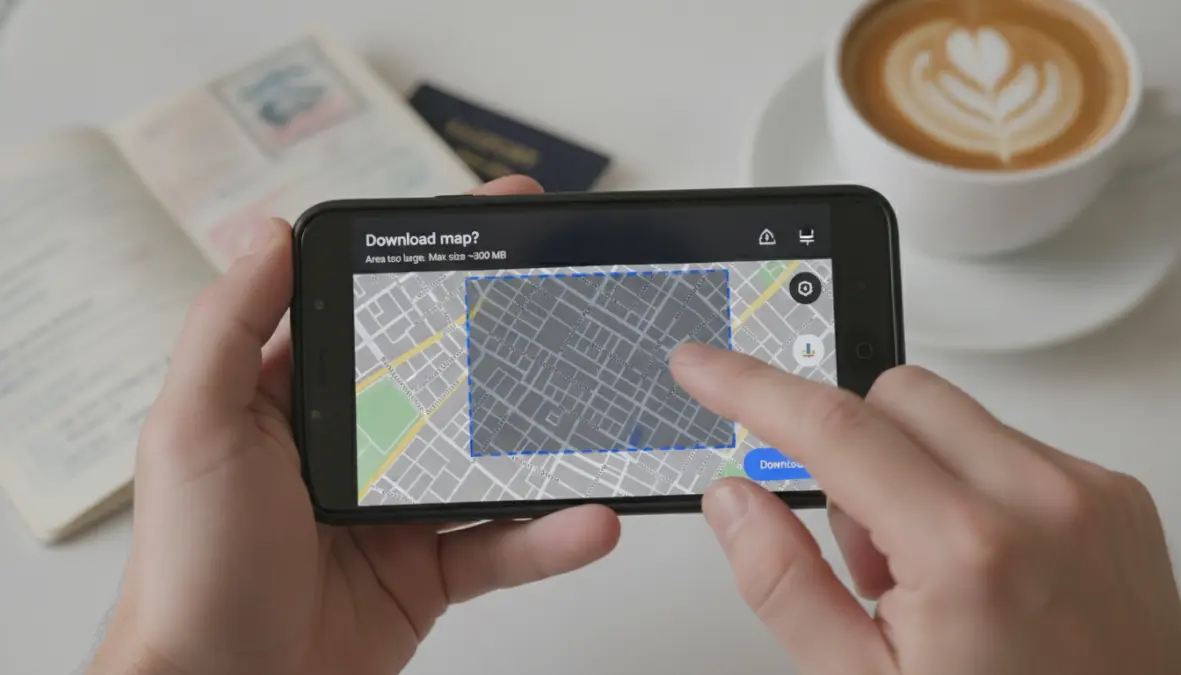
First, open Google Maps while connected to WiFi (your hotel connection works perfectly). Search for your destination city—let’s say Paris. Tap on the location name at the bottom of the screen, then look for the “Download” button. On Android, you’ll see three dots in the upper right corner; tap those and select “Download offline map.” iPhone users will find the download option directly in the location details. The system will show you a rectangular area you can adjust by pinching and zooming. Here’s the catch: Google limits each google maps download area to approximately 120,000 km², which sounds massive but actually covers just a city and its immediate surroundings.
These downloaded maps last 15-30 days before requiring updates, and Google will automatically refresh them if you’re connected to WiFi. You’ll receive a notification when maps are about to expire. The best way to save google maps for europe trip success is downloading everything the night before you head out exploring, ensuring you have the latest data and points of interest.
Selecting the Right Areas to Download
Strategic area selection makes the difference between seamless navigation and frustrating gaps in coverage. For most european city travel purposes, download your primary city center plus one additional zone covering attractions slightly outside the main area. For Paris, that means the central arrondissements plus a separate download for Versailles. For Rome, grab the historic center and another area covering Tivoli and Villa d’Este.
Create slight overlaps between adjacent downloaded areas—this prevents you from accidentally stepping into a coverage gap when moving between zones. If you’re planning a multi-city European weekend, download each city separately. A typical itinerary might include Berlin, Prague, and Vienna—three separate downloads that you can manage throughout your trip.
Storage Requirements and Managing Downloaded Maps
Let’s talk numbers. London typically requires about 200MB of storage space, Paris around 150MB, Rome approximately 180MB, and Barcelona roughly 160MB. Berlin, which you might explore during one day in Berlin, needs about 170MB. If you’re downloading multiple cities for a week-long trip, expect to dedicate 1-2GB of phone storage to offline maps europe.
Managing this space wisely means deleting maps from cities you’ve already visited. After leaving Amsterdam, remove that download and replace it with Brussels before you arrive. Always download on hotel WiFi rather than using precious mobile data. Keep at least 3GB of free space on your device to ensure smooth performance and room for photos from your adventures.
Using Google Maps Offline Mode for Navigation in European Cities
Once you’ve mastered downloading, understanding google maps offline mode functionality is crucial. Here’s what works brilliantly: GPS without internet functions perfectly for turn-by-turn navigation, both walking and driving directions work flawlessly, and you can search for places you’ve previously saved to your lists. The GPS chip in your phone doesn’t need data—it communicates directly with satellites, meaning offline navigation europe is just as accurate as online mode.
However, some features won’t work. Real-time public transit schedules disappear, live traffic updates vanish, alternate route suggestions based on current conditions won’t appear, and you can’t read the latest reviews or see updated business hours. You also can’t search for new places unless they’re already cached in your downloaded area.
The workaround? Before leaving WiFi, search for all the restaurants, museums, and attractions you want to visit and save them to labeled lists like “Paris Restaurants” or “Rome Museums.” You can even create lists when planning a perfect city break. These saved places will appear in offline navigation europe mode, complete with their locations and basic information. Take screenshots of important details like opening hours or specific addresses. If you accidentally wander outside your downloaded area, Google Maps will notify you and won’t provide navigation until you return to covered territory or reconnect to data.
Pro Tips and Troubleshooting for Offline Maps in Europe
Let me share some battle-tested strategies for maximizing your google maps offline europe experience. Before departure, download all maps while on home WiFi, test offline mode by putting your phone in airplane mode and attempting navigation around your neighborhood, and consider complementary offline navigation apps as backup—I’ll explain those shortly.
Common problems? If maps won’t download, check your storage space and WiFi connection strength. GPS inaccuracy usually resolves itself once you’re outside with a clear view of the sky—those medieval European building corridors can block satellite signals. Battery drain from constant GPS use is real; consider activating battery saver mode and closing other apps. Carrying a portable charger is non-negotiable for full-day city exploration.
Regarding maps.me alternative options and other travel apps europe travelers swear by: Maps.me offers detailed offline maps with hiking trails and points of interest, while CityMaps2Go provides excellent city-specific guides. These apps complement Google Maps beautifully, especially for outdoor areas or smaller towns where Google’s coverage might be less comprehensive. Download them as insurance—they take minimal space and could save your trip if Google Maps glitches.
The eternal question: offline maps or roaming data? For short budget city breaks, offline maps eliminate roaming charges entirely. For longer trips, consider combining downloaded maps with an affordable eSIM or local SIM card—you’ll get the best of both worlds. Check out more strategies in this guide on navigating European cities without data roaming.
Europe-specific considerations: some countries like Germany have excellent map detail, while smaller Eastern European nations might have less comprehensive data. When crossing borders—say, from Austria to Czech Republic—ensure you’ve downloaded maps for both countries if you’re traveling overland. Using rail passes for European weekend trips often means quick border crossings where you’ll want continuous navigation.

FAQ
Can I use Google Maps offline in Europe without roaming charges?
Absolutely! Once you’ve downloaded the map areas, google maps without internet works entirely through your phone’s GPS chip, which doesn’t require cellular data or WiFi. You won’t incur any roaming charges for navigation, searching saved places, or getting directions within your downloaded areas.
How long do offline maps last?
Downloaded maps expire after 15-30 days and require updates. Google Maps will automatically update them when you’re connected to WiFi. You’ll receive notifications before expiration. For extended European trips, plan to refresh your maps periodically at hotel WiFi.
Can I get walking directions offline?
Yes! Walking and driving directions work perfectly in offline mode. However, public transportation directions require an internet connection for real-time schedules. Save transit routes as screenshots before leaving WiFi if you need them for free walking tours or other scheduled activities.
Does offline mode drain battery faster?
GPS does consume battery, but not significantly more in offline versus online mode. The main battery drain comes from the GPS chip itself and screen brightness. Use battery saver mode, reduce screen brightness, and carry a portable charger for full-day exploring across Europe’s best shopping cities.
How much storage do I need for multiple European cities?
Plan for 150-200MB per major city. A typical week-long trip covering four cities requires approximately 800MB-1GB. If you’re tight on storage, delete maps from cities you’ve already visited and download new ones as you travel.
Can I update offline maps while traveling?
Yes, whenever you connect to WiFi—at hotels, cafes, or restaurants—Google Maps can update your downloaded areas. It’s smart to refresh maps every few days to ensure you have the latest information about road closures or new points of interest.
Mastering offline Google Maps transforms your European city breaks from potentially stressful navigation nightmares into confident, independent explorations. Download strategically, save your destinations in advance, and enjoy wandering those charming European streets without worrying about data charges or getting hopelessly lost. Your future self, standing at a confusing intersection in a medieval city center with zero bars of service, will thank you for taking these simple preparation steps. Safe travels!