How to Avoid Crowds in Europe During Summer: Strategic Timing and Travel Tips
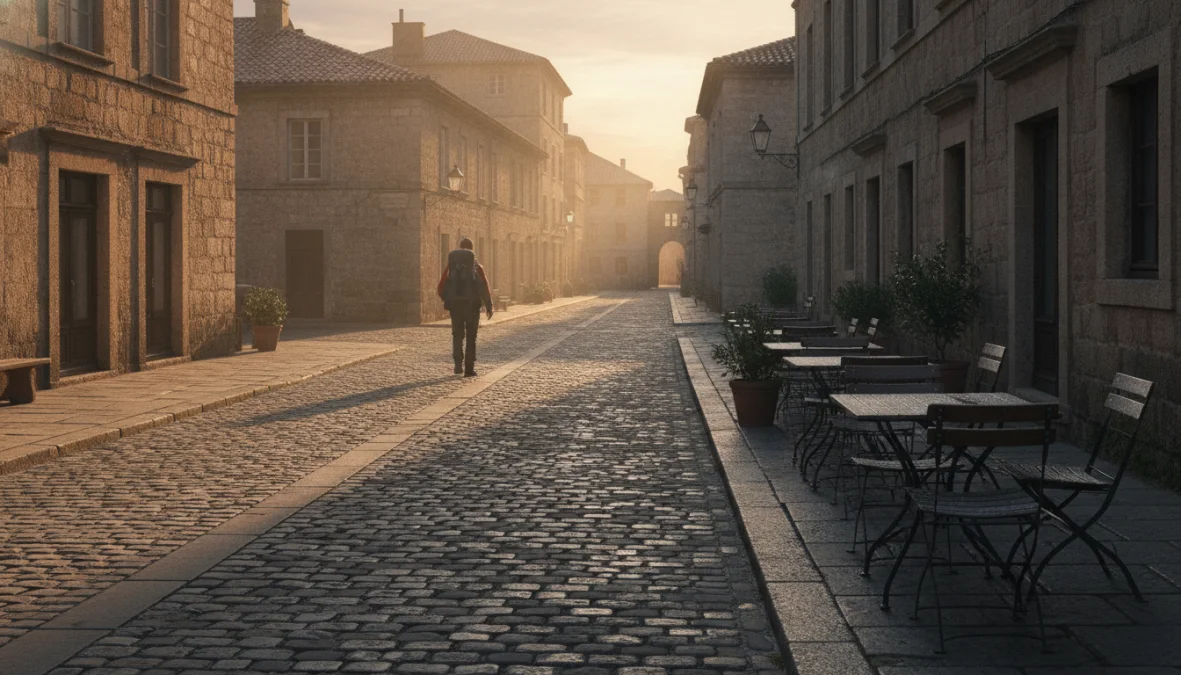
Picture this: you’ve finally made it to the Louvre, only to spend two hours in line sweating under the summer sun, then elbow your way through crowds so thick you can barely see the Mona Lisa. Sound familiar? Summer in Europe doesn’t have to be a test of patience and endurance. With the right strategies and timing, you can avoid crowds europe summer and actually enjoy those iconic sites without the shoulder-to-shoulder chaos. Let’s dive into exactly how to make that happen.
Understanding Peak Hours and Strategic Timing to Avoid Summer Crowds in Europe
The secret to beating summer crowds europe isn’t just about where you go—it’s about when. Most tourists follow predictable patterns, and once you understand these rhythms, you can slip through the cracks and enjoy a much more pleasant experience.
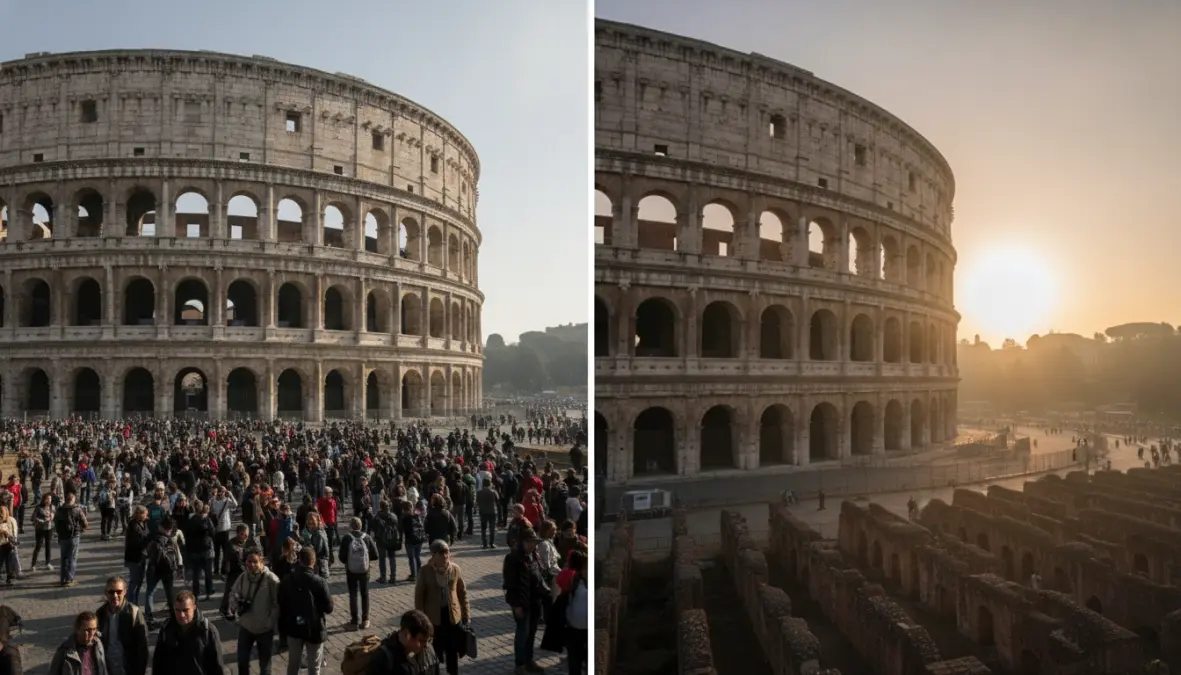
Here’s the golden rule for the best time visit europe attractions: arrive at opening time or go during the late afternoon golden hour. The sweet spot is typically 6-8am when tour buses haven’t arrived yet and cruise ship passengers are still having breakfast. The second-best window? Around 4-6pm when day-trippers are heading back to their hotels and families with kids are winding down.
When it comes to early morning europe tourist sites, places like the Eiffel Tower, Sagrada Familia, and the Vatican Museums are dramatically less crowded in the first hour of operation. Many travelers sleep in on vacation, which is your advantage.
Consider this timing breakdown:
- Tuesday-Thursday: Significantly quieter than weekends in major cities
- June and early September: Still warm but fewer families (schools are in session)
- Late August: Europeans on holiday, but fewer American tourists
- Lunch hours (12-2pm): Great reverse strategy—visit attractions while others eat
The difference between weekday vs weekend crowds europe can be staggering, especially in capitals. Paris, Rome, and Barcelona see a massive influx of weekend visitors from neighboring countries. If you’re planning weekend trips using rail passes, consider visiting secondary cities on Saturdays and Sundays, saving the major attractions for weekdays.
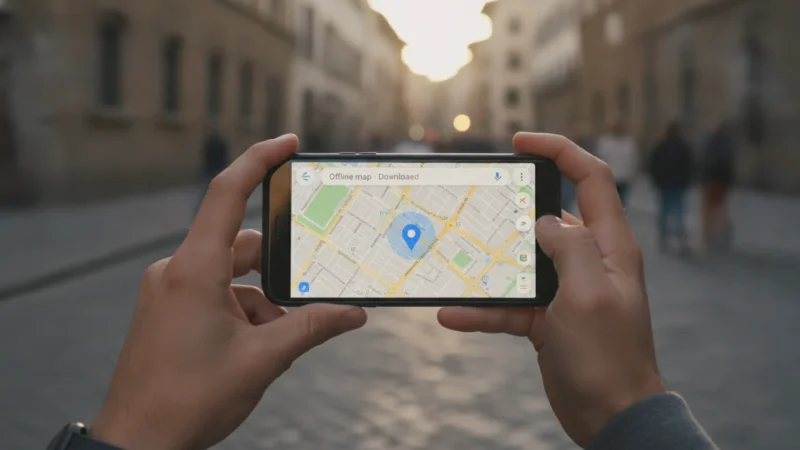
Pro tip: Download apps like Google Maps (check the “Popular times” feature) or specialized tools like Queue-Times to monitor real-time crowd levels at major attractions. This data-driven approach takes the guesswork out of your timing strategy.
Location-Based Strategies: Where to Go and What to Skip
Sometimes the best way to avoid tourists europe is simply choosing different destinations or exploring different parts of popular cities. This doesn’t mean compromising on quality—it means discovering hidden gems and quiet areas europe summer that locals actually prefer.
Alternative Neighborhoods and Hidden Gems in Popular Cities
If you’re wondering how to avoid crowds in paris summer, the answer lies in the arrondissements tourists skip. While everyone’s queuing at Montmartre, head to Belleville for authentic street art, immigrant-run cafés, and the best city views with zero crowds. In the mornings, explore Buttes-Chaumont park or the Canal Saint-Martin area before venturing to the major sites.
In Rome, Trastevere early in the morning (before 10am) is magical and relatively empty. Testaccio offers incredible food markets and authentic Roman cuisine without the tourist markup. Similarly, while Barcelona’s Gothic Quarter swarms with visitors, the Gràcia neighborhood offers charming plazas, local tapas bars, and Gaudí’s first house—all with breathing room.
The strategy here is simple: stay in local neighborhoods and visit the main attractions during off-peak hours, then retreat to these quieter areas when the crowds surge. You’ll eat better, pay less, and actually experience European life rather than just documenting it.
Lesser-Known European Cities Worth Visiting Instead
When considering less crowded european cities and alternative destinations to avoid crowds europe, you don’t have to sacrifice quality for tranquility. These alternatives offer comparable experiences without the overtourism headache:
- Ljubljana instead of Venice: Gorgeous riverside cafés, castle views, and walkable charm—without the cruise ship hordes
- Porto instead of Lisbon: Stunning tilework, port wine cellars, and dramatic coastal views with half the tourists
- Ghent instead of Brussels: Better preserved medieval architecture and canal views in a more authentic setting
- Bologna instead of Florence: Renaissance architecture, incredible food culture, and porticoed streets without the Uffizi queues
- Seville instead of Barcelona: Moorish palaces, flamenco, and tapas culture without the Las Ramblas chaos (though July-August heat is intense)
These cities exemplify europe off peak travel thinking—experiencing the continent’s richness without contributing to overtourism. Many are easily accessible by train, making them perfect for multi-city European weekends.
Advanced Booking and Skip-the-Line Tactics
Even with perfect timing and smart location choices, you’ll likely visit some major attractions. That’s where skip the line europe strategies become essential. The key is understanding which sites require advance planning and which booking hacks actually work.
For must-see attractions during peak tourist season, advance reservations aren’t optional—they’re mandatory. The Vatican Museums, Alhambra in Granada, Anne Frank House in Amsterdam, and Sagrada Familia all sell out days or weeks ahead. Book these the moment your dates are confirmed.
Timed entry tickets have become standard at many European museums, which actually works in your favor. Choose the earliest available slot (usually 9am or earlier) for the calmest experience. Some attractions offer special early bird entry programs—the Louvre’s Friday night openings or the Sistine Chapel’s breakfast tour let you see iconic works in relative peace.
City passes like the Paris Museum Pass, Rome Pass, or Barcelona Card often include skip-the-line access plus public transport. Run the numbers—if you’re visiting 4+ included attractions, they usually pay for themselves while saving hours in queues.
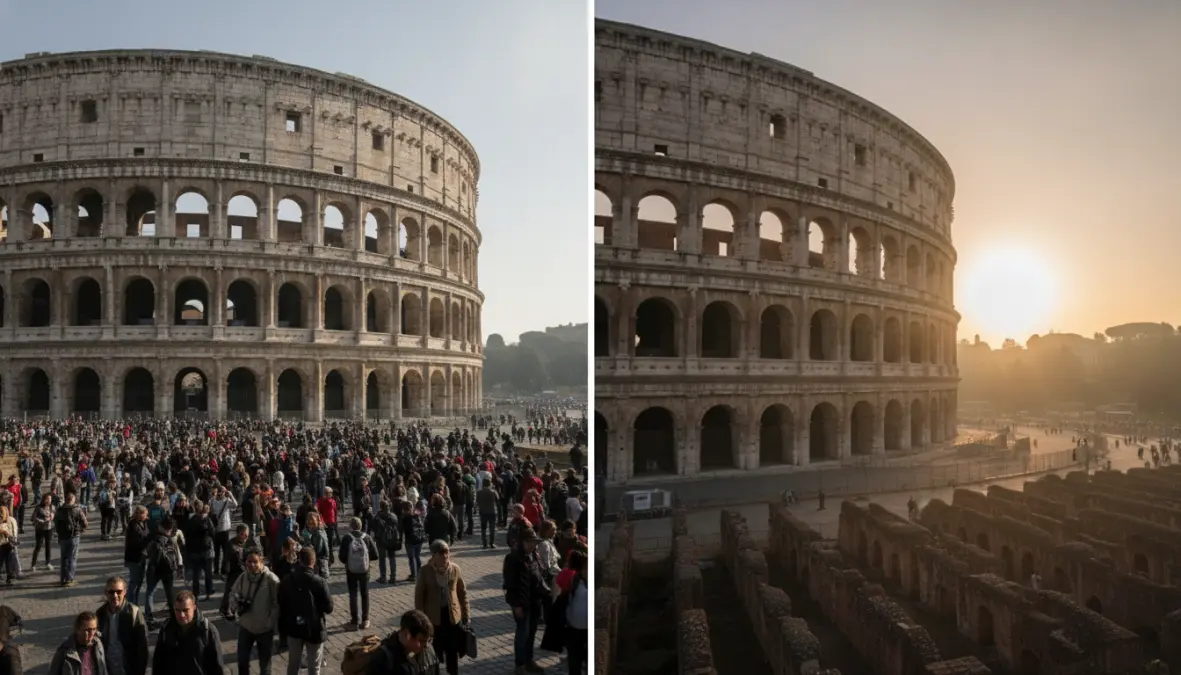
Here’s an insider tip for booking skip the line tickets europe: guided tours almost always include priority access. A 2-hour morning tour of the Colosseum costs slightly more than a regular ticket but gets you in immediately while others wait 90+ minutes. You can often leave the tour after the skip-the-line entry if you prefer exploring solo.
For restaurants in tourist areas, book dinner reservations before 7pm or after 9pm to avoid the rush. Better yet, explore neighborhoods where locals eat—you’ll find better food and no waits. Check out our guide to European cities for food lovers for specific recommendations.
FAQ: Common Questions About Avoiding Summer Crowds in Europe
What is the least crowded month to visit Europe in summer?
June and early September are the sweet spots. June sees fewer families (schools aren’t out yet in many places), while September offers great weather after the August peak ends. Late May also works if you’re flexible on weather. For true shoulder season travel europe guide benefits, consider late April or early October.
What are the best times to visit european attractions?
Arrive at opening time (typically 9-10am, sometimes earlier) or during the late afternoon (4-6pm). The lunch window (12-2pm) also works well for outdoor sites. Weekday mornings are consistently less crowded than any weekend time slot.
Are there any European cities that don’t get crowded in summer?
The least crowded european cities in july include Tallinn (Estonia), Krakow (Poland), Ljubljana (Slovenia), Porto (Portugal), and Valencia (Spain). Northern European cities like Aarhus (Denmark) and Bergen (Norway) also remain relatively uncrowded while offering excellent summer weather.
How early should I arrive at popular attractions?
For major sites without timed entry, arrive 30-60 minutes before opening. For ultra-popular spots like the Eiffel Tower or Trevi Fountain, sunrise visits guarantee the best experience. Check if free walking tours offer early morning options.
Is it worth visiting Europe in August?
August is peak season with the highest prices and crowds, but it has advantages: many Europeans are on holiday, so business districts in cities like London or Frankfurt empty out. Stick to coastal areas, countryside, or the alternative cities mentioned above. Consider last-minute deals which are more common in August.
Avoiding crowds in Europe during summer isn’t about sacrificing the experiences you came for—it’s about being strategic with timing, creative with destinations, and smart with your bookings. Whether you’re catching the sunrise at Sacré-Cœur, exploring Porto’s quiet riverside, or using skip-the-line tickets at the Uffizi, these tactics transform summer travel from frustrating to phenomenal. The Europe you’ve dreamed about—intimate, magical, and actually enjoyable—is absolutely achievable, even in July. You just need to think like a local and travel like a pro.