How to Handle European Tipping Culture: Your Complete Country-by-Country Guide

Picture this: you’ve just finished a fantastic meal in a charming Parisian bistro. The waiter brings the check, and suddenly you’re frozen with uncertainty. Do you tip? How much? Will leaving too little be insulting, or is leaving too much going to mark you as a clueless tourist? If this scenario sounds familiar, you’re not alone. Understanding tipping in Europe can feel like navigating a cultural minefield, but it doesn’t have to be complicated once you grasp the fundamental differences from North American customs.
Understanding European Tipping Culture: The Basics
The most important thing to understand about tipping in Europe is that it operates on completely different principles than in the United States or Canada. While American servers often rely heavily on tips to make up for low base wages, european tipping customs reflect a system where hospitality workers typically receive livable salaries. This fundamental difference means that gratuity in europe is generally viewed as a bonus for exceptional service rather than an expected subsidy for inadequate wages.
In most European countries, you’ll notice “service charge included” printed on your restaurant bill. This means exactly what it says—a service fee has already been added to your total, and the staff receives fair compensation without relying on your generosity. This is why european gratuity guide recommendations typically suggest much lower percentages than the 18-20% standard in North America. A 5-10% tip is considered generous in many European countries, and in some places, simply rounding up the bill to the nearest convenient amount is perfectly acceptable.
That said, local tipping norms vary significantly from country to country. What’s expected in France might be considered excessive in Denmark, and what’s normal in the UK could seem stingy in Switzerland. Understanding these nuances will help you avoid common tourist tipping mistakes and show proper respect for cultural etiquette wherever your European adventures take you. If you’re planning to explore multiple destinations, check out how to plan a multi-city European weekend to maximize your cultural experiences.
Country-by-Country Tipping Guide
Now let’s dive into the specifics of tipping etiquette europe across different countries. This comprehensive european gratuity guide will help you navigate restaurant tipping europe and other service situations with confidence. Understanding tip culture by country is essential for respectful travel.
Western Europe: France, Spain, Italy & Beyond
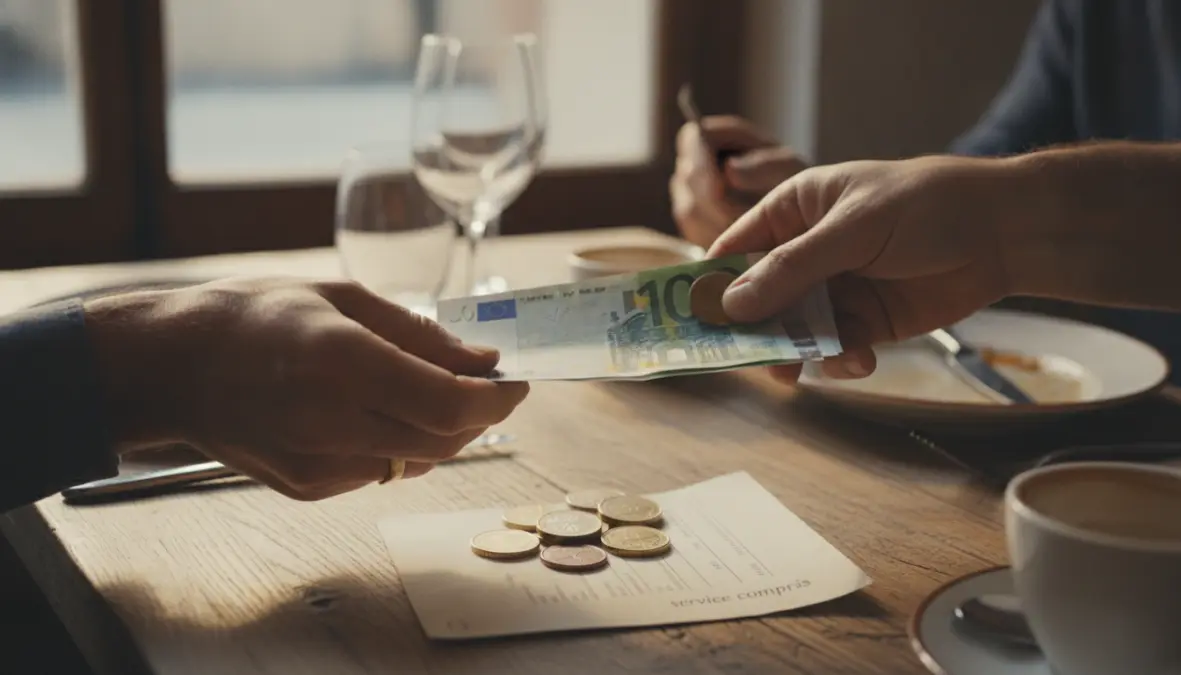
France is often the first test for many travelers wondering do you tip in restaurants in europe. French bills typically indicate “service compris” (service included), meaning a 15% service charge europe is already factored in. Additional tipping isn’t mandatory, but leaving small change or rounding up to the nearest euro for good service is appreciated. In nicer restaurants, leaving 5-10% extra for exceptional service is a kind gesture.
Spain follows similar principles. When asking how much to tip in european countries, Spain’s answer is straightforward: tipping isn’t obligatory, but 5-10% for good service in restaurants is welcome. Many locals simply round up or leave small change. In tapas bars, rounding up to the nearest euro is common practice.
Italy has a unique system where you’ll often see a “coperto” (cover charge) on your bill—this is separate from tipping and covers bread and table service. For actual gratuity, Italians rarely tip more than 5-10%, and only for truly excellent service. Cash is strongly preferred over adding tips to card payments. If you’re exploring Italian culinary traditions, discover more in our guide to best European cities for food lovers.
Portugal appreciates tips slightly more than its neighbors, with 10% being considered generous in restaurants. Rounding up for taxi drivers and leaving a euro or two for hotel staff is customary.
Northern & Central Europe: Different Expectations
Germany and Austria practice “bill rounding” as their primary tipping method. Instead of leaving money on the table, you tell the server the total you want to pay when they bring the check. For example, if your bill is €47, you might say “50, bitte” to round up to €50. A 5-10% tip is standard for good service.
The United Kingdom leans closer to American practices, with 10-15% being standard in restaurants. However, always check your bill first for an added service charge—if it’s already included, additional tipping is optional. In pubs where you order at the bar, tipping isn’t expected.
Netherlands and Belgium both include service charges in bills, making additional tipping unnecessary. That said, rounding up or leaving 5-10% for exceptional service is appreciated. Cash tips are preferred as not all card terminals allow adding gratuity.
Switzerland includes service charges by law, but the Swiss are generally more generous tippers, with 10% being common for excellent service. Given Switzerland’s high cost of living, this generosity reflects the local economic reality.
Scandinavian countries (Norway, Sweden, Denmark, Finland) are among the countries where tipping is not expected. Server wages europe are highest in this region, and service is always included. While you can round up if you wish, nobody will expect or miss a tip. When wondering is tipping mandatory in europe, Scandinavia gives you the clearest “no” answer. These are definitively european countries that don’t tip as standard practice.
Eastern Europe (Poland, Czech Republic, Hungary) generally expects 10% in tourist areas, though locals may tip less. Rounding up is common for taxis and casual dining. As these countries’ tourism industries have grown, so have tipping expectations in major cities.
Frequently Asked Questions About Tipping in Europe
Is tipping expected in Europe? Unlike in North America, tipping in Europe is generally not obligatory. Hospitality workers receive fair wages, so tips are bonuses for good service rather than necessary income. That said, small tips are appreciated and show gratitude for exceptional service.
Should I tip in cash or card? Cash is strongly preferred across Europe for tipping. Many card payment systems don’t easily allow adding gratuity, and cash ensures the tip goes directly to your server rather than being processed through the establishment’s accounting. Always carry small bills and coins for this purpose.
What if service charge is already included? If you see “service compris,” “servizio incluso,” or “service charge included” on your bill, additional tipping is entirely optional. You’re welcome to leave a bit extra for outstanding service, but it’s not expected. This answers the common question about when to tip in europe guide—check your bill first.
Do I tip hotel staff and taxi drivers? For hotel porters, €1-2 per bag is standard. For housekeeping, €2-5 per night left in your room is appreciated. Taxi drivers typically receive rounded-up fares or 5-10% for longer trips, though this varies by country. When traveling between cities on European rail passes, tipping isn’t relevant for train conductors.
What happens if I don’t tip? Absolutely nothing negative. You won’t receive dirty looks or be chased down the street. European service culture doesn’t depend on tips the way American culture does. However, leaving nothing after genuinely excellent service might be seen as slightly ungracious, just as it would be anywhere.
Understanding tipping etiquette europe ultimately comes down to respecting local customs and recognizing that different gratuity customs reflect different labor practices. Whether you’re exploring on budget airlines, joining free walking tours, or dining at Michelin-starred restaurants, knowing how to tip waiters in europe helps you travel with confidence and cultural sensitivity. Your European adventures will be richer when you understand not just where to go, but how to interact respectfully with the people who make those experiences memorable.