Best Airport Security Tips for European Weekend Trips: Your Fast Track Guide
You’ve just scored cheap flights for a spontaneous weekend in Barcelona, but there’s one obstacle between you and those tapas: European airport security. If you’ve ever watched the clock tick away while fumbling with your liquids bag or debating whether to remove your boots, you know that mastering airport security tips Europe can make or break your precious weekend getaway. The good news? European airport security doesn’t have to be a stress-inducing maze. With the right preparation and insider knowledge, you’ll glide through those checkpoints faster than you can say “boarding pass.”
Understanding European Airport Security: What Makes It Different
Unlike the United States with its centralized TSA, European airport security operates under a different framework. The TSA Europe equivalent is essentially the European Civil Aviation Conference (ECAC), which sets baseline standards that EU member states implement through their own national aviation authorities. This means while airport security rules EU maintain core consistency across the continent, you’ll notice subtle variations between countries and individual airports.
The distinction between Schengen airport security and non-Schengen terminals is crucial for weekend travelers. Within the Schengen Area (26 European countries with abolished internal borders), you won’t face passport control when flying between member states—think Amsterdam to Rome. However, security screening remains mandatory for all flights. Non-Schengen flights require both security checkpoint passage and passport control, adding time to your journey.
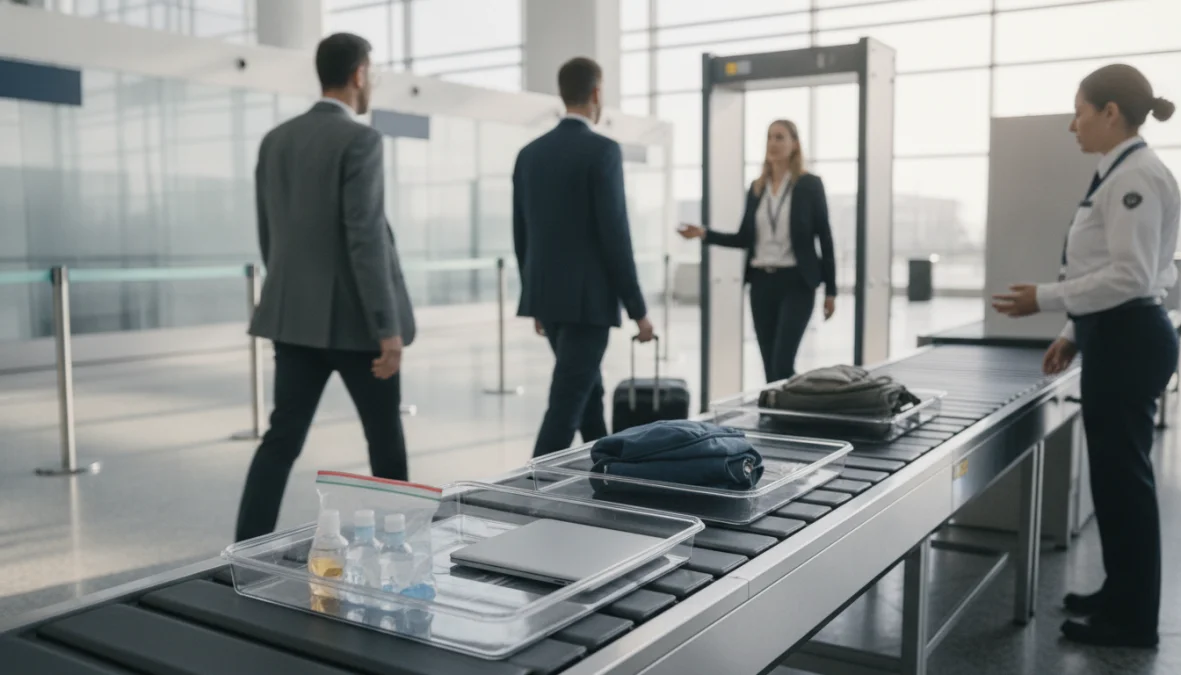
EU regulations mandate the familiar liquids rule: containers no larger than 100ml, all fitting into a single transparent, resealable 1-liter bag. Electronic devices larger than a smartphone typically must be removed from carry-on baggage for separate screening, though this is changing at airports with advanced CT scanners. Prohibited items follow international standards—no sharp objects, flammable materials, or weapons—but some airports enforce stricter interpretations, particularly regarding tools or sporting equipment.
Essential Airport Security Tips to Speed Through European Checkpoints
Knowing how to get through airport security faster in europe starts long before you reach the airport. These security screening tips are specifically tailored for weekend travel europe, where every minute counts when you’re trying to maximize a short break.
Pre-travel preparation is your secret weapon. Check your airline’s specific restrictions—budget carriers often have stricter rules about bag dimensions and contents. If you’re flying with one of the best budget airlines for European short breaks, verify their hand luggage policies beforehand. Pack strategically: place items you’ll need to remove (liquids, electronics, belt, jacket) at the top of your bag or in easily accessible pockets.
Your clothing choices matter more than you’d think. Avoid belts with substantial metal buckles, excessive jewelry, or boots with complex laces. Slip-on shoes or sneakers with quick-release laces will save you precious seconds. Distribute metal items (keys, coins, phone) into your bag before joining the queue rather than scrambling at the metal detector.
For weekend trips, traveling with just hand luggage is ideal, but organization is everything. Have your boarding pass and travel documents ready but secured—don’t be the person juggling multiple items at the verification point. Many frequent travelers use a dedicated document wallet that stays in an outer pocket.
The 3-1-1 Rule and Electronics Screening in EU Airports
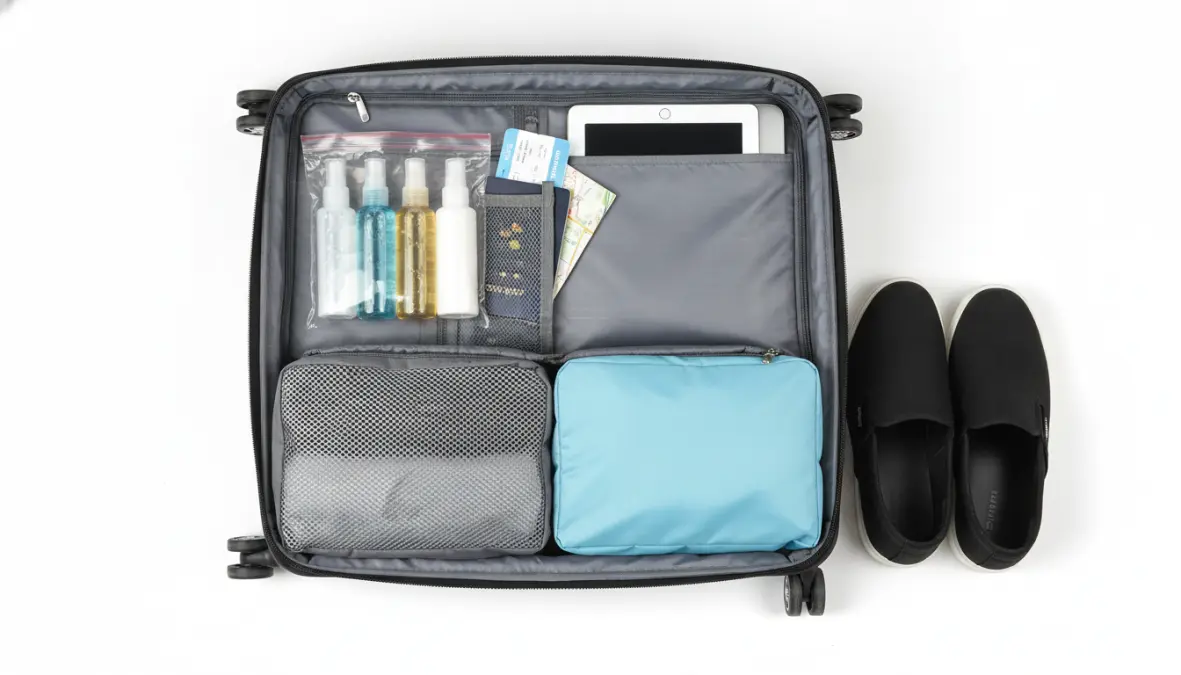
Understanding what to pack for european airport security means mastering the liquids rule. The EU’s interpretation requires each liquid, gel, or aerosol container to be 100ml or less, all fitting comfortably in a single transparent, resealable plastic bag no larger than 1 liter (approximately 20cm x 20cm). This includes obvious items like shampoo and toothpaste, but also mascara, lip gloss, and even spreadable cheese.
Here’s a game-changer: some European airports—including London Heathrow (certain terminals), Amsterdam Schiphol, and Rome Fiumicino—have installed next-generation CT scanners that allow liquids and laptops to remain in bags. However, don’t assume this applies everywhere. The rollout is gradual, and even within the same airport, different terminals may have different equipment. When in doubt, prepare to remove everything.
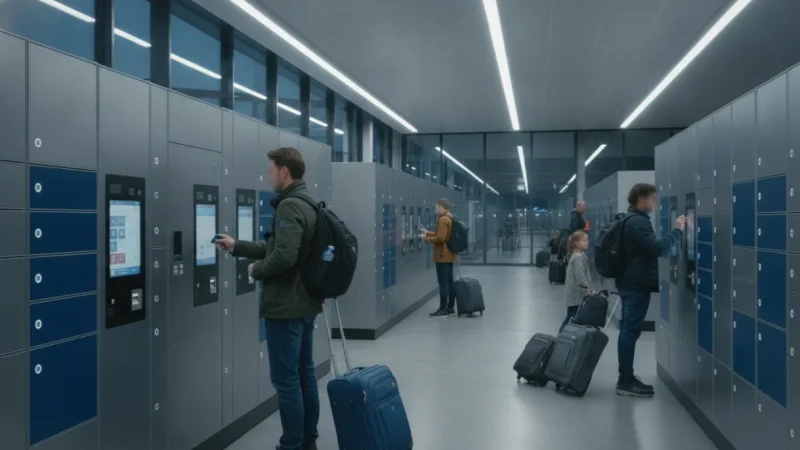
For electronics, the standard rule requires laptops, tablets, and e-readers to be placed in separate trays during screening. Power banks must travel in hand luggage (never checked baggage) and should be easily accessible for inspection. Some airports now use advanced body scanner technology that’s faster than traditional methods, though you can typically opt for a manual pat-down if preferred.
Smart Packing Strategies for Weekend Security Screening
Knowing how to prepare for airport security screening europe through strategic packing can shave minutes off your checkpoint time. Use the layering principle: items that need removal go on top. Consider using transparent packing cubes or toiletry bags—security officers can see contents without opening them, potentially speeding visual inspection.
Some items surprise travelers by being prohibited in EU airports despite being allowed elsewhere. Certain airports ban all liquids purchased airside if you’re connecting to specific destinations. Lighter fluid refills, realistic toy weapons, and even some battery-powered devices face restrictions. If you’re planning a multi-city European weekend combining flights and trains, remember that airport security applies even if you’re starting your journey elsewhere.
Food presents a gray area. Solid foods generally pass through security without issue—perfect for bringing snacks to save money. However, spreadable items (hummus, soft cheese, yogurt) count as liquids and must follow the 100ml rule. Duty free shopping purchases receive special treatment: liquids bought airside in sealed, tamper-evident bags can exceed 100ml, but keep receipts visible for potential inspection during connections.
Fast Track and Priority Security Options Across Europe
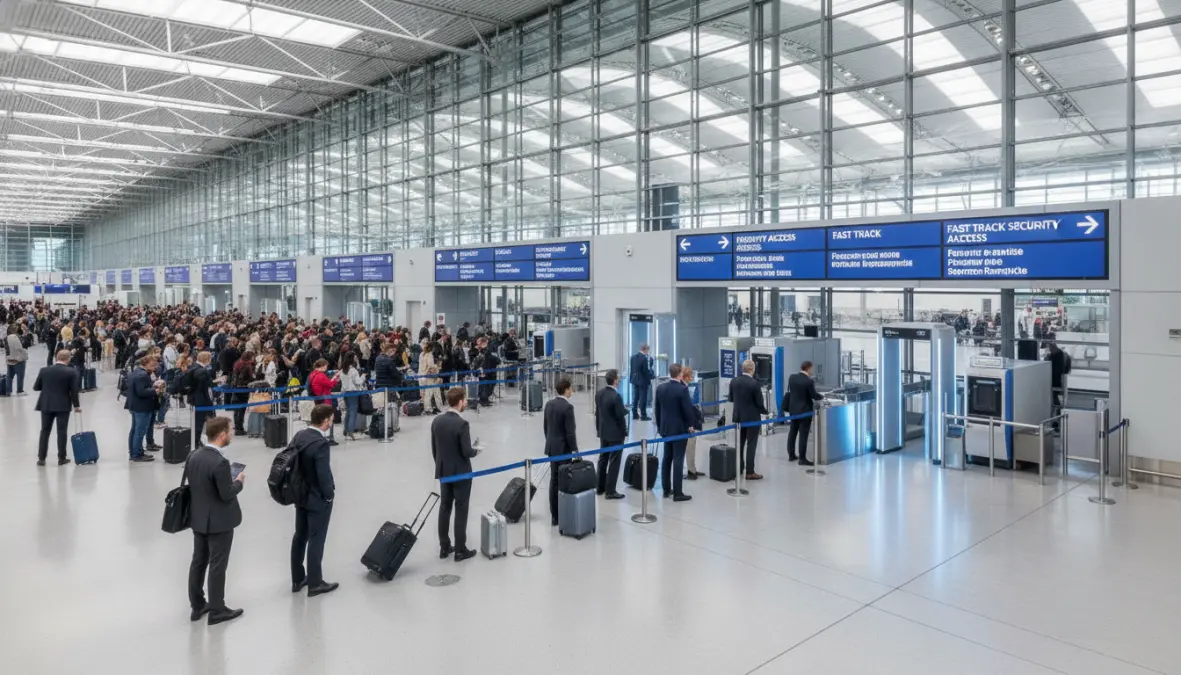
For weekend travelers where time is precious, airport fast track europe services can transform your experience. These priority airport security lanes let you bypass standard queues, often reducing security checkpoint wait times from 30-45 minutes to just 5-10 minutes during peak periods.
Access to fast track varies widely. Business class passengers and elite frequent flyers typically receive complimentary access. Premium credit cards—particularly those with travel benefits—often include fast track at major European airports. Priority Pass memberships, which grant lounge access, frequently bundle fast track privileges. Standalone fast track can be purchased for €3-20 per person depending on the airport and advance booking.
Major hubs offer different systems. London Heathrow provides purchasable fast track across all terminals. Amsterdam Schiphol’s “Privium” program offers registered traveler benefits for frequent visitors. Paris Charles de Gaulle has premium security lanes accessible through various airlines and card programs. Rome Fiumicino, Frankfurt, and Munich all maintain robust fast track options, particularly valuable during weekend travel peaks.
When does fast track justify the cost for a weekend trip? Consider it essential at notoriously congested airports (Barcelona El Prat on Friday evenings, any London airport during holiday weekends) or when your itinerary is tight. If you’re catching a connecting train immediately after landing, those saved minutes matter significantly. For solo weekend travelers or anyone on a packed itinerary, the peace of mind alone often proves worthwhile.
FAQ: European Airport Security for Weekend Travelers
Do I need to remove shoes at European airport security?
Unlike US airports where shoe removal is standard, most European airports don’t require it unless you’re wearing boots or shoes with significant metal components. However, some airports randomly select passengers for additional screening that includes shoe removal. Wearing slip-on footwear gives you flexibility either way.
Can I bring food through security for my weekend trip?
Yes, solid foods are permitted through airport security rules EU. Pack sandwiches, fruit, chocolate, or other snacks to save money and time. Remember that spreads, yogurt, and liquids must comply with the 100ml rule. Some countries have restrictions on bringing certain foods (particularly meat and dairy) across borders, though this applies to customs rather than security.
How early should I arrive for weekend flights in Europe?
The best time to arrive at european airports for weekend flights is typically 2 hours before departure for intra-European flights, 3 hours for intercontinental routes. Friday evenings, Sunday afternoons, and holiday weekends see peak congestion. Budget airlines often enforce strict check-in and gate closing times—sometimes 40 minutes before departure—making punctuality critical. If you’re visiting popular destinations like those featured in our food lovers’ weekend guide, expect fuller flights and longer queues.
Are security rules the same in all EU airports?
Core schengen airport security regulations remain consistent, but implementation varies. All airports enforce the liquids rule and electronics screening, but methods differ. Some airports require shoe removal; others don’t. Newer airports with CT scanners may allow laptops to stay packed. Always check your specific departure airport’s website for current procedures and any temporary changes.
What happens if I have a connecting flight between Schengen and non-Schengen countries?
This scenario requires extra planning. Flying from a Schengen country (like France) to a non-Schengen destination (like the UK) means clearing exit passport control. The reverse requires entry passport control. Budget extra time—at least 90 minutes for such connections. Security screening happens at your origin airport, but you may face additional checks before boarding certain flights. Liquids purchased in duty free shopping at your first airport typically transfer fine if properly bagged, though rules vary by destination.
Mastering European airport security transforms weekend travel from stressful to seamless. Whether you’re headed to Mediterranean island escapes, shopping weekends, or architectural explorations, these strategies ensure you spend less time in security lines and more time enjoying your destination. Pack smart, arrive prepared, and consider fast track when time matters—your weekend adventure starts the moment you breeze through that checkpoint.