How to Use European Low-Cost Airlines: Hidden Fees and Insider Tips to Save Money
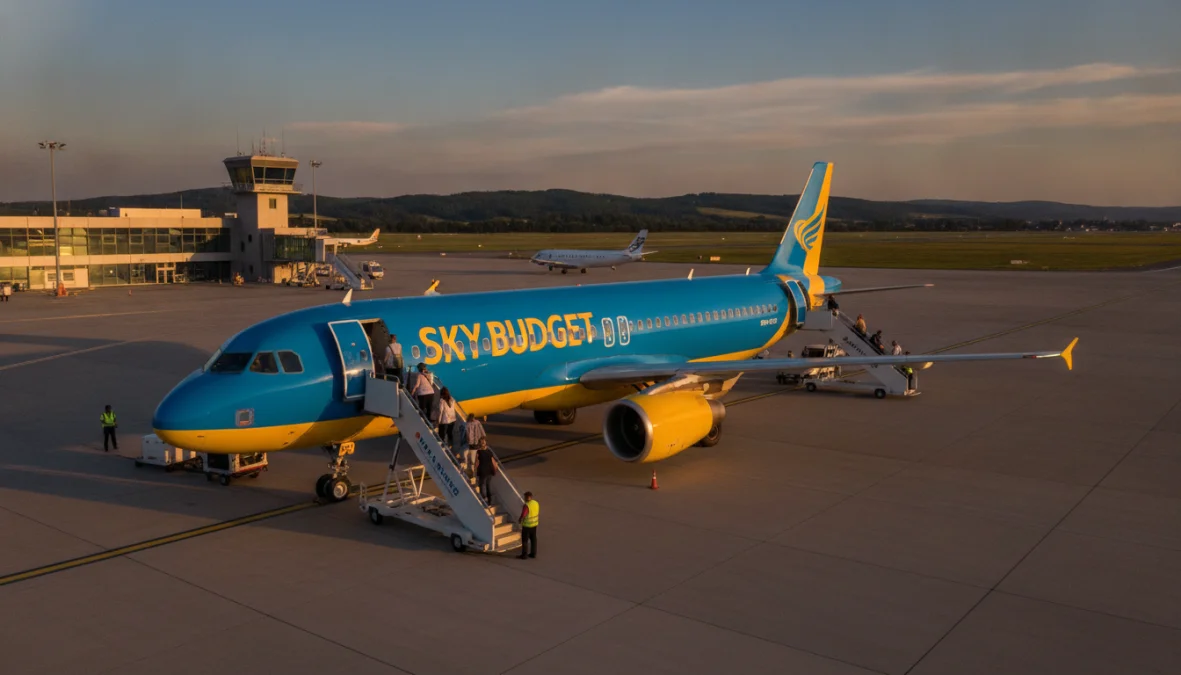
Ever spotted a €9.99 flight to Barcelona and thought you’d scored the deal of the century, only to end up paying €80 at checkout? Welcome to the world of European low-cost airlines, where that unbelievably cheap fare is just the beginning of your financial journey. But here’s the thing: once you crack the code on low cost airlines Europe tips, you can genuinely fly across the continent for a fraction of traditional airline prices. You just need to know the game they’re playing—and how to play it better.
Understanding European Budget Airlines: What You Need to Know Before Booking
The low cost carriers Europe market is dominated by a handful of major players, each with their own quirks and personalities. Ryanair is the brash market leader known for rock-bottom fares and strictly enforced rules. EasyJet offers a slightly more relaxed experience with better airport locations. Wizz Air dominates Eastern European routes with incredibly cheap prices, while Vueling connects Southern Europe and the Mediterranean with a more Spanish flair.
Unlike traditional airlines that bundle everything into one price, european budget airlines operate on a stripped-down base fare model. You’re essentially buying just a seat on the plane—everything else costs extra. They make money through add-ons: baggage, seat selection, priority boarding, even printing your boarding pass at the airport. This isn’t deceptive; it’s their entire business model, and it actually works brilliantly if you genuinely travel light.
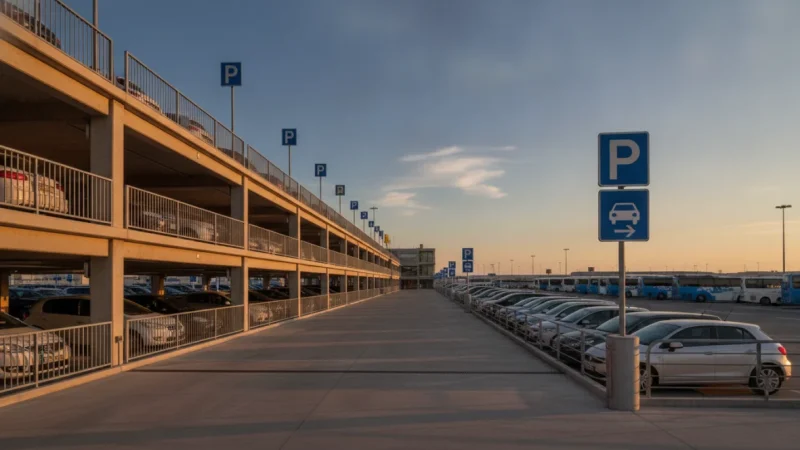
Another key difference: these carriers use point-to-point routes rather than hub-and-spoke systems, often flying to secondary airports located outside major cities. Ryanair’s “Frankfurt” airport is actually Frankfurt-Hahn, about 120km from the city. Budget airlines can offer cheaper fares partly because landing fees at these smaller airports cost less. Just factor in the extra time and cost of airport transfers when comparing prices.
| Airline | Cabin Bag Size | Personal Item | Checked Bag Cost | Check-in Window |
|---|---|---|---|---|
| Ryanair | 40x20x25cm (free) | Included | From €20 | 24hrs-2hrs before |
| EasyJet | 45x36x20cm (free) | Included | From €15 | 30 days-2hrs before |
| Wizz Air | 40x30x20cm (free) | Included | From €12 | 30 days-3hrs before |
| Vueling | 55x40x20cm (free) | Included | From €25 | 7 days-4hrs before |
The Complete Guide to Hidden Fees and How to Avoid Them
Let’s talk about budget airline hidden fees—the notorious profit centers that can triple your ticket price if you’re not careful. Understanding these charges is essential for anyone seeking cheap flights europe tips that actually work.
The biggest gotcha? Checked baggage fees that seem reasonable during booking but skyrocket at the airport. A bag that costs €25 online might cost €70 at the gate. Seat selection fees range from €4 for a middle seat at the back to €20+ for extra legroom or front rows. Here’s the insider secret: if you don’t pay to choose, you’ll still get a seat assigned for free—you just can’t sit together with travel companions.
Priority boarding options typically cost €6-12 and let you board first with a larger cabin bag. Is it worth it? Only if you’re traveling during peak times when overhead space fills quickly. Otherwise, you’re paying to stand in a different queue and sit on the plane longer.
Payment fees are particularly sneaky. Many budget airlines charge €2-3 for credit card payments but accept certain debit cards for free. Check which cards are accepted without fees before booking. Some airlines also push travel insurance during checkout with pre-ticked boxes—always uncheck these unless you genuinely need coverage.
Baggage Rules and Smart Packing Strategies
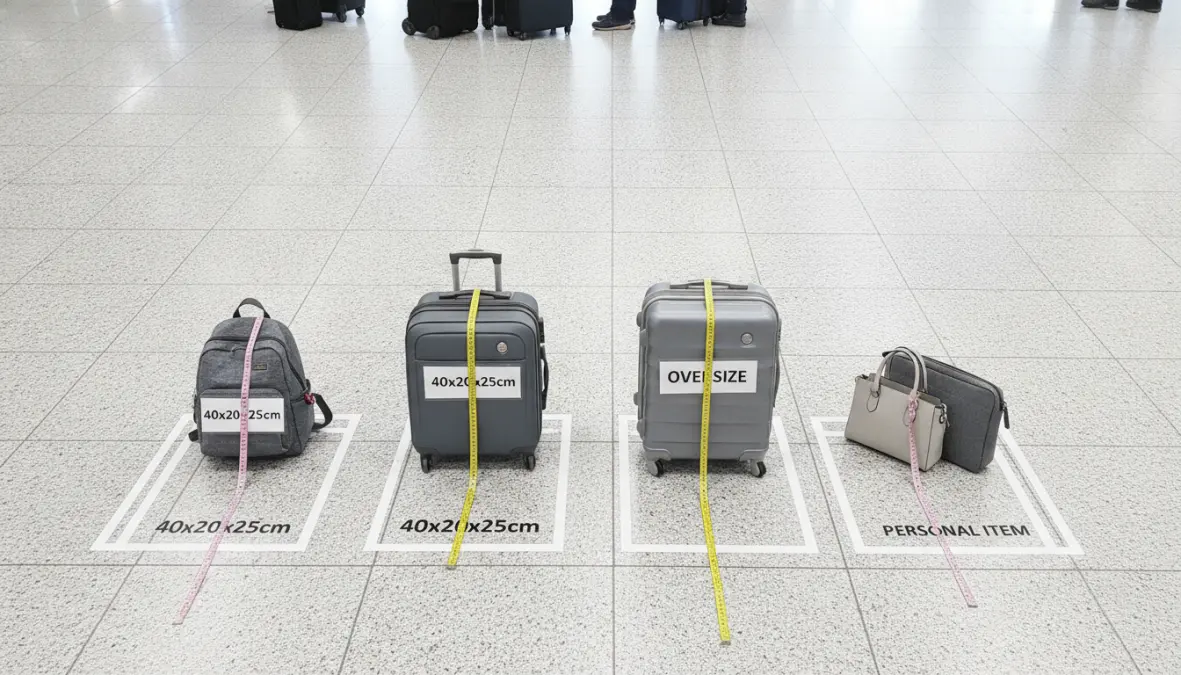
Mastering baggage allowance policies is crucial. Every millimeter counts with carry-on restrictions. Ryanair’s free personal item measures exactly 40x20x25cm—think small backpack, not rolling carry-on. If you’re wondering what to pack for ryanair carry on, invest in a bag specifically designed to meet these dimensions.
Most airlines allow one small personal item that fits under the seat for free. This means a handbag, laptop bag, or small backpack. If you want a larger cabin bag, you’ll either need to pay for priority boarding or check it at the gate (often cheaper than pre-booking).
Weight limits matter too. While some airlines don’t weigh cabin bags, others strictly enforce 10kg limits. Wear your heaviest shoes and jacket on the plane rather than packing them. Use packing cubes to maximize space. And here’s a pro tip: if you’re traveling with someone, distribute weight between bags so neither exceeds limits.
When does paying for checked baggage make sense? If you’re traveling for more than a weekend or need specific items like liquids over 100ml. Sometimes booking a “Plus” fare with included baggage costs less than adding bags separately. This is one of the best low cost airlines in europe for families considerations—bundle deals often provide better value.
Booking and Payment Tips to Minimize Extra Charges
Smart booking strategies start with timing. Book 6-8 weeks in advance for the best base fares, but watch for flash sales. Tuesday and Wednesday flights are typically cheaper than weekends. Early morning and late evening departures cost less because they’re less convenient.
Always complete online check-in during the designated window—missing this deadline can cost €55 at the airport. Set a phone reminder for exactly when check-in opens. The check-in requirements vary by airline, so verify specific windows for your carrier.
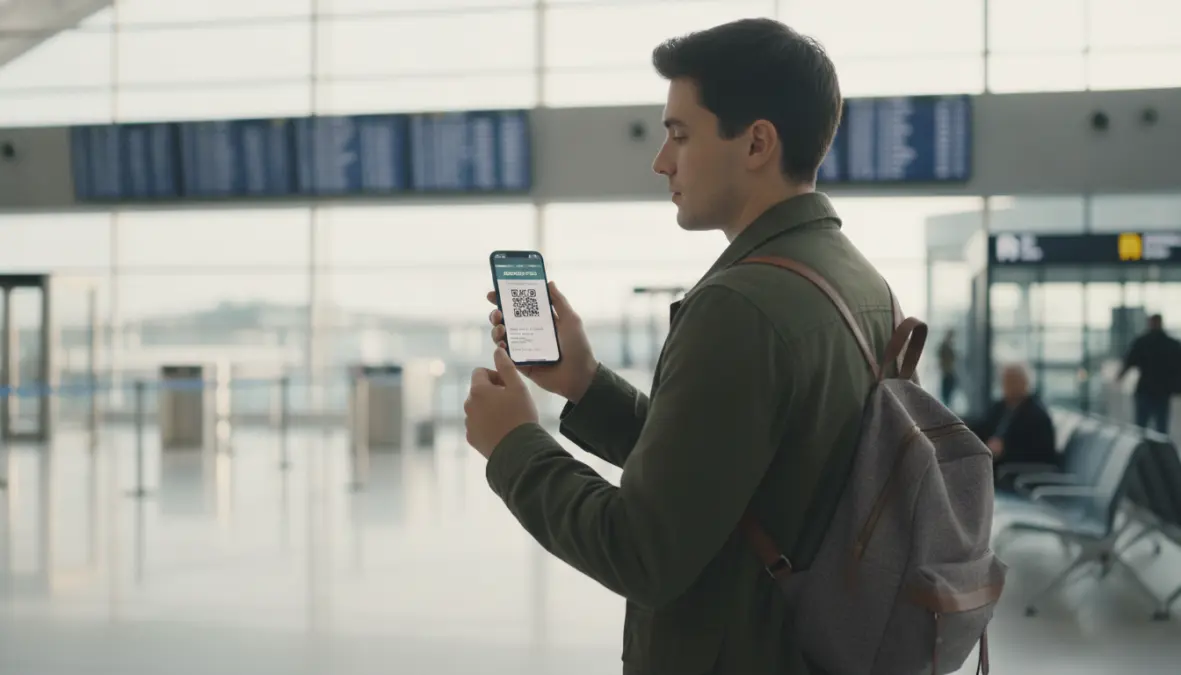
Use the airline’s mobile app rather than third-party booking sites. Apps often have exclusive deals, and managing your booking is easier. Plus, your boarding pass is right there—no printing needed. Download your pass when check-in opens and screenshot it as backup.
Insider Tips for Flying Low-Cost Airlines in Europe Like a Pro
Ready for some next-level low cost airlines europe tips? Here’s where budget travel europe flights become an art form. The question “are low cost airlines worth it in europe” is easy to answer when you know these strategies.
Plan secondary airport transfers in advance. Research bus and train connections before booking that cheap flight to “Paris” Beauvais, which is 85km from central Paris. Sometimes the €17 bus fare and 90-minute journey make a slightly more expensive flight to Orly or Charles de Gaulle the better deal. Check out multi-city European weekend planning for combining budget flights with other transport options.
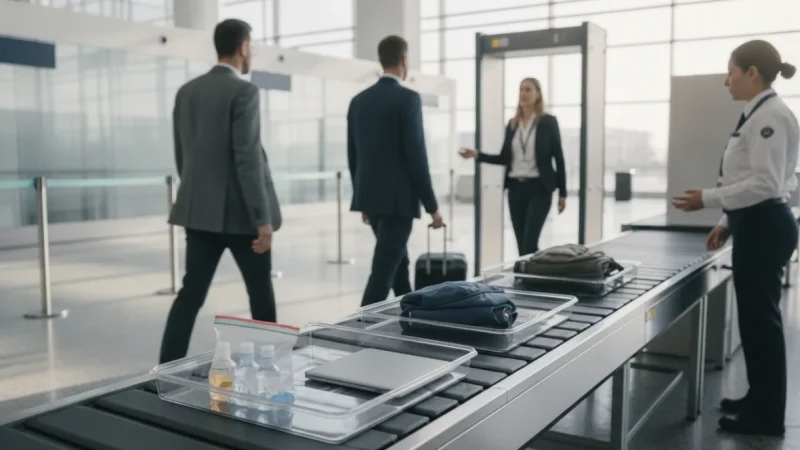
Bring your own food and empty water bottle. Airport prices are astronomical, and most budget airlines charge €3-5 for a sandwich and €3 for water. Fill your bottle after security. Sandwiches, snacks, and even homemade meals are allowed through security as long as liquids are under 100ml.
Use flight comparison tools like Skyscanner or Google Flights, but always book directly with the airline. Third-party sites sometimes charge booking fees, and if anything goes wrong, dealing directly with the carrier is infinitely easier. For comprehensive carrier comparisons, see our complete guide to budget airlines for European short breaks.
Loyalty programs rarely make sense for budget airlines unless you fly one carrier frequently. Ryanair’s program costs money to join, while EasyJet’s is free but benefits are minimal. Your money is better spent choosing the cheapest flight each time rather than staying loyal.
Be flexible with dates and destinations. If you can shift travel by a day or two, you might save €50-100. Flying off-season to popular destinations like European islands or spring destinations offers dramatically cheaper fares and smaller crowds.
For delays or cancellations, know your rights under EU261 regulations. If your flight is delayed over 3 hours or cancelled, you may be entitled to compensation up to €600, plus meals and accommodation if needed. Don’t let airlines brush you off—these rights apply to budget carriers too.
One clever strategy: combine multiple budget airlines for complex itineraries. Flying Ryanair to Budapest, exploring for a few days, then catching Wizz Air to Athens can be cheaper than traditional airlines—just allow generous connection time since these aren’t protected bookings. Download offline travel apps to navigate smoothly between airports and cities.
FAQ: Common Questions About European Low-Cost Airlines
Is luggage included on budget airlines?
Only a small personal item (typically 40x20x25cm) is included free on most carriers. Larger cabin bags and checked luggage cost extra, usually €15-70 depending on when you book and the airline.
Can I bring food on low-cost flights?
Absolutely! You can bring solid food through security and onto the plane. Liquids must follow the 100ml rule. Bringing your own snacks is one of the easiest ways to save money.
What happens if I miss the check-in deadline?
You’ll pay hefty airport check-in fees (€55+ on Ryanair) or potentially miss your flight entirely. Some airlines close online check-in a few hours before departure. Always check in as soon as the window opens.
Are budget airlines safe?
Yes, European budget airlines maintain the same safety standards as traditional carriers. They’re regulated by the same aviation authorities and have excellent safety records. “Budget” refers to pricing model, not safety standards.
Can I get refunds on low-cost carriers?
Most budget airline tickets are non-refundable, though you can often change flights for a fee. Some carriers offer refundable fares at higher prices. Travel insurance options might cover cancellations for specific reasons, but read policies carefully.
How early should I arrive at the airport?
Budget airlines recommend 2 hours for international flights, though 90 minutes is usually sufficient if you’ve checked in online and have no bags to drop. Secondary airports are typically smaller and faster to navigate than major hubs.
Flying budget airlines across Europe doesn’t mean suffering through a terrible experience—it means understanding the game and playing smart. Those €10 fares really exist, and you really can fly incredibly cheaply when you avoid the traps and embrace the minimalist approach. Whether you’re exploring solo travel destinations, chasing culinary adventures, or hitting Europe’s best shopping cities, budget airlines make frequent European adventures genuinely affordable. Pack light, check in early, bring snacks, and enjoy the ride—you’ve got this.