How to Navigate European Public Transport: Your Complete Metro, Tram, and Bus Guide
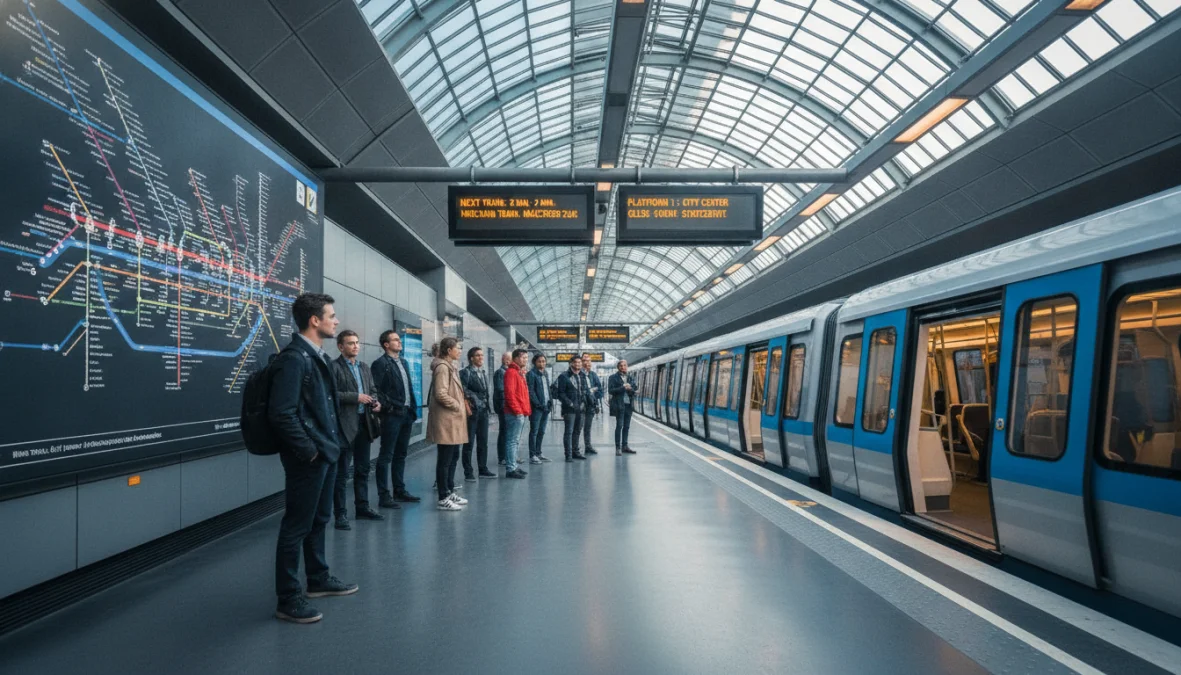
Stepping off a plane in a European city for the first time can feel overwhelming—especially when you’re staring at a metro map that looks like a bowl of multicolored spaghetti. But here’s the truth: mastering the european public transport guide is your ticket to experiencing cities like a local, not a lost tourist. European metros, trams, and buses aren’t just transportation—they’re affordable, efficient, and often faster than taxis stuck in traffic. Whether you’re hopping between museums in Paris or navigating Berlin’s nightlife, understanding public transport Europe systems will save you money, time, and a whole lot of stress.
Understanding European Public Transport Systems
European cities pride themselves on their city transport Europe networks, which are among the most comprehensive in the world. Unlike North American cities where cars dominate, European urban mobility revolves around integrated rail network systems combining metros, trams, buses, and commuter services. The beauty lies in the integration—a single ticket often covers multiple modes of transport within designated travel zones.
Northern European cities like Copenhagen and Amsterdam feature pristine, punctual systems with extensive bike integration. Southern cities such as Rome and Athens offer historic charm but sometimes less predictable schedules. Eastern European capitals like Prague and Budapest deliver incredible value with modern systems at fraction-of-the-cost pricing. Most major cities now offer real-time digital transit maps and multilingual signage, though smaller towns may require more navigation savvy.
The culture around public transport differs too. In Germany, fare validation operates on an honor system with occasional inspectors, while London’s extensive CCTV and gate systems enforce payment strictly. Understanding these regional quirks is essential to your european transit guide success. For broader travel strategies across Europe, check out our complete city break planning guide.
Metro vs Tram vs Bus: Which to Choose When
Learning how to use metro in european cities starts with understanding when each transport mode makes sense. European metro systems are your speed demons—underground railways that bypass traffic entirely. Choose metros for covering long distances quickly, reaching city centers, or traveling during rush hour. Paris’s Métro gets you practically anywhere within 15 minutes, while Berlin’s U-Bahn runs 24/7 on weekends.
The european tram network offers a middle ground. Trams travel above ground on dedicated tracks, providing scenic routes through historic districts. They’re perfect for navigating intermediate zones metros don’t reach. In Amsterdam, trams glide past canals and architecture. In Lisbon, vintage yellow trams climb steep hills offering Instagram-worthy views. Prague’s tram system is so comprehensive that many locals rarely use the metro.
Bus travel Europe provides maximum flexibility, reaching suburbs and neighborhoods other transport misses. Buses are ideal for peripheral destinations, late-night journeys when metros close, and routes where trams don’t exist. Barcelona’s night buses (Nitbus) keep the party accessible after midnight. Rome’s extensive bus network compensates for its limited metro lines. The trade-off? Buses get stuck in traffic and require more local knowledge to navigate confidently.
Buying Tickets and Using Payment Systems Across Europe
The question of buying tickets for european public transport confuses many first-timers because each city operates differently. Most systems offer single-journey tickets, day passes, multi-day tourist cards, and rechargeable transport cards. Single tickets typically cost €1.50-€3 and remain valid for 60-90 minutes with unlimited transfers within zones.
Purchase options vary by city. Automatic machines at stations accept cards and cash (though increasingly cash-only machines are disappearing). Many cities sell tickets at tobacco shops, newsstands, or convenience stores—often cheaper than vending machines. In Rome, look for “tabacchi” shops with the black-and-white “T” sign. Berlin’s machines require precise change or cards.
Validation is critical. Some cities like London use tap-in/tap-out gates that automatically charge your card. Others, including most German and Czech cities, require you to validate your paper ticket in small yellow or red machines before boarding—failure results in hefty fines (€60+ typically). Inspectors conduct random checks and show no mercy to “I didn’t know” excuses.
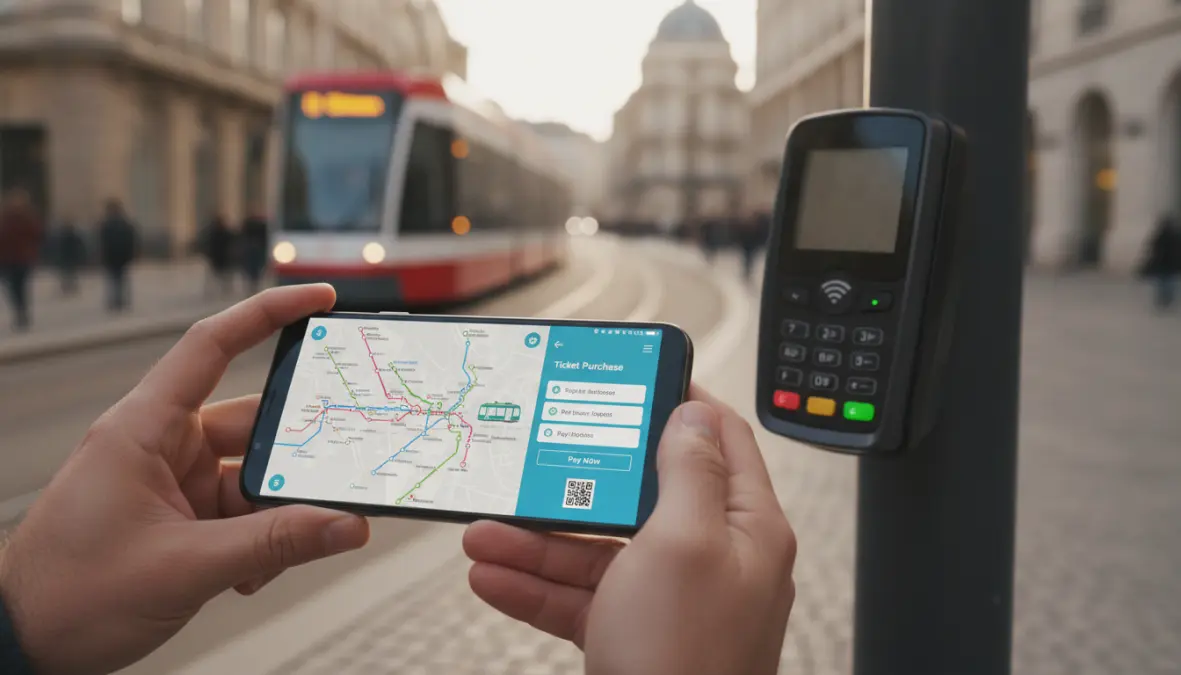
Understanding european transport zones saves money. Cities divide into concentric zones (Zone 1 is usually the center). Your ticket cost depends on how many zones you cross. Tourist areas typically fall within Zone 1-2. The best public transport apps for europe help calculate which zones you need. Many cities now accept contactless payment—simply tap your credit card or phone at validators just like using a physical ticket.
Tourist passes offer unlimited travel for 24-72 hours plus museum discounts. Compare whether a pass beats individual tickets based on your itinerary. If you’re planning multiple European destinations, our rail pass savings guide provides comprehensive strategies.
Essential Apps and Digital Tools for European Transit
Google Maps dominates for basic routing across all european metro systems, showing real-time departures and walking connections. CityMapper excels in major cities like London, Paris, Barcelona, and Berlin with detailed platform information and service disruption alerts. It even calculates the best metro car to board for optimal exit positioning.
Download city-specific official apps: RATP in Paris, BVG in Berlin, TfL in London, ATM Milano, TMB Barcelona. These provide real-time tracking, digital ticket purchase, and network maps. Many now integrate ticketing systems allowing mobile payment without physical cards. Moovit works across multiple European cities when CityMapper doesn’t.
For offline capability essential when traveling without data, download our recommended tools from this offline navigation guide. Save PDF transit maps before your trip, and screenshot routes from Google Maps while connected to WiFi.
Navigating Major European Metro, Tram, and Bus Networks
Each major European city brings unique characteristics to its transport system. London’s Tube, the world’s oldest metro, divides into numbered zones with the Oyster card or contactless payment essential. The Tube closes around midnight except weekends when Night Tube operates on major lines. Commuter services like Overground and DLR integrate seamlessly.
Paris’s Métro features tight, charming stations with 14 lines covering the city comprehensively. Purchase a carnet (10-ticket booklet) for savings. The RER suburban trains connect airports and Versailles. Navigating tram systems in europe here means catching the modern T1-T9 tram lines circling the periphery. After exploring the city, discover shopping opportunities in our European shopping cities guide.
Berlin’s transport integrates U-Bahn (metro), S-Bahn (suburban rail), trams, and buses under one ticket system across ABC zones. The honor system means no gates—just validate your ticket. Night buses (prefix N) and weekend 24-hour U-Bahn service make Berlin incredibly accessible. For a deeper dive into Berlin’s culture, read our one-day Berlin guide.
Amsterdam’s GVB operates trams, metros, and buses with the rechargeable OV-chipkaart. Trams dominate here—they’re frequent, scenic, and reach everywhere tourists need. Barcelona combines metro efficiency with extensive bus networks and historic Montjuïc funicular. The T10 ticket (10 journeys) offers best value. Rome’s limited metro compensates with comprehensive buses, though traffic can slow journeys considerably.
Prague delivers exceptional value with integrated DPP tickets covering metro, tram, bus, and funicular. The historic tram 22 route provides a scenic city tour. Public transport etiquette in europe varies—Berliners eat on transport freely while Parisians frown upon it. Most cities expect you to offer seats to elderly passengers and keep voices down during commutes.

Safety Tips and Common Mistakes to Avoid
European public transport is generally safe, but pickpockets target tourists in crowded metros during rush hours (8-9am, 5-7pm). Barcelona’s L3 line and Rome’s Termini station are notorious hotspots. Keep bags zipped and in front of you, phones secure, and wallets in front pockets. Avoid displaying expensive jewelry or electronics conspicuously.
Common mistakes plague first-timers: forgetting to validate tickets leads to fines averaging €60; boarding metros going the wrong direction wastes time (check the end-station name, not just the line number); assuming Sunday schedules match weekdays causes missed connections; and underestimating distances between stations on maps that compress geography.
Night safety varies by city. Most capitals maintain safe urban mobility late into evening, though exercise caution in peripheral stations after midnight. Well-lit, busy stations pose minimal risk. Traveling solo? Our solo weekend travel guide offers city-specific safety insights.
Always check for service disruptions during holidays, strikes (common in France and Italy), and planned maintenance weekends. Apps provide real-time updates, but stations post notices days in advance. Keep small bills and coins for ticket machines that don’t accept cards. And yes, those metro musicians and performers expect small tips if you enjoy the show.
FAQ: European Public Transport Guide
Do I need separate tickets for metro and bus?
Most European cities operate integrated systems where one ticket covers metro, tram, and bus within time limits (usually 60-90 minutes). Major exceptions include London where buses accept different payment than Underground, though contactless cards work universally. Always check your specific city’s integration policy.
Are European public transport systems accessible for wheelchairs?
Accessibility varies dramatically. Northern European cities like Copenhagen and Stockholm feature excellent wheelchair access with elevators and level boarding. Older systems like Paris and Rome have limited accessibility—only certain stations offer elevator access. Always check official transit apps which indicate accessible stations and routes.
Can I use the same transport card in different European cities?
No universal European transport card exists. Each city operates independent ticketing systems. Your London Oyster card won’t work in Paris. However, contactless bank cards increasingly work across multiple cities without needing local cards. Some regional passes like the Swiss Travel Pass cover multiple cities within one country.
Is it safe to travel on public transport at night in Europe?
Generally yes in major cities, though precautions apply. Well-lit central stations remain safe into late evening. Avoid empty carriages—sit near other passengers or conductors. Some cities like Berlin offer excellent 24-hour weekend service. Smaller cities may have limited night options requiring night buses. Always trust your instincts about particular routes or stations.
How early do metros and trams start running in European cities?
Most systems start between 5:00-5:30am on weekdays, slightly later on weekends. Paris Métro begins around 5:30am, London at 5:00am, Berlin at 4:00am. Trams typically start 30 minutes later than metros. Check official schedules as first/last trains vary by line and day of week. Many cities publish detailed timetables online.
What’s the best transport pass for tourists visiting multiple cities?
For single-city visits, multi-day tourist passes (24-72 hours) usually beat individual tickets if you take 4+ journeys daily. For cross-border travel, consider Interrail/Eurail passes covering trains between cities, detailed in our rail pass guide. Budget airlines offer alternatives explored in our budget airlines comparison. Calculate based on your actual planned journeys rather than assuming passes always save money.
Mastering European public transport transforms your travel experience from stressful navigation to confident exploration. The initial learning curve pays dividends in savings, efficiency, and authentic local experiences. Download those apps, validate those tickets, and embrace the rhythm of European urban mobility—you’ll wonder why you ever considered expensive taxis. When you’re weaving through Prague on tram 22 or catching the last metro in Barcelona like a seasoned local, you’ll know you’ve truly arrived. For more walking exploration after you’ve mastered the transit systems, discover free walking tours that complement your public transport adventures perfectly.