How to Find Authentic Local Restaurants in Europe: Beyond Tourist Traps
Picture this: you’re strolling through Rome’s ancient streets, stomach growling, and suddenly you’re surrounded by restaurants with laminated menus in twelve languages, plastic food displays, and someone in a waistcoat waving you inside. You settle for what looks “decent enough,” only to pay €35 for microwaved lasagna that tastes like cardboard. Sound familiar? The struggle to find authentic restaurants in Europe is real, but it doesn’t have to be a lottery. With the right strategies and a bit of local know-how, you can eat like a European—not like a tourist with a target on their back.
Why Most Travelers End Up in Tourist Traps (And How to Avoid Them)
Tourist trap restaurants have mastered the art of looking legitimate while delivering overpriced mediocrity. The warning signs are usually glaringly obvious once you know what to look for. That picture-perfect menu with glossy photos of every dish? Red flag. The aggressive host blocking the sidewalk offering “special discounts”? Run. Restaurants positioned directly on main squares near famous landmarks charging €8 for a Coke? You’re paying rent for the view, not the food.
The problem with these establishments goes beyond inflated prices. The food quality suffers dramatically because they don’t need repeat customers—there’s always a fresh batch of tourists tomorrow. Meanwhile, authentic restaurants in Europe rely on neighborhood regulars who’d stop coming if the carbonara suddenly tasted like cream soup.
To avoid tourist traps in Europe, you need a fundamental mindset shift: stop looking for convenience and start seeking authenticity. The best local restaurants in Europe aren’t trying to attract you—they’re serving the people who live there. That means embracing slight inconvenience, accepting language barriers, and trusting that a crowded neighborhood joint with no English menu is exactly where you want to be.
Proven Strategies to Find Authentic Restaurants in Europe
Finding where locals eat in Europe requires combining old-school observation with smart digital tools. Here’s how to uncover those hidden gems dining spots that deliver genuine traditional cuisine.
Follow the Locals: Physical and Digital Clues
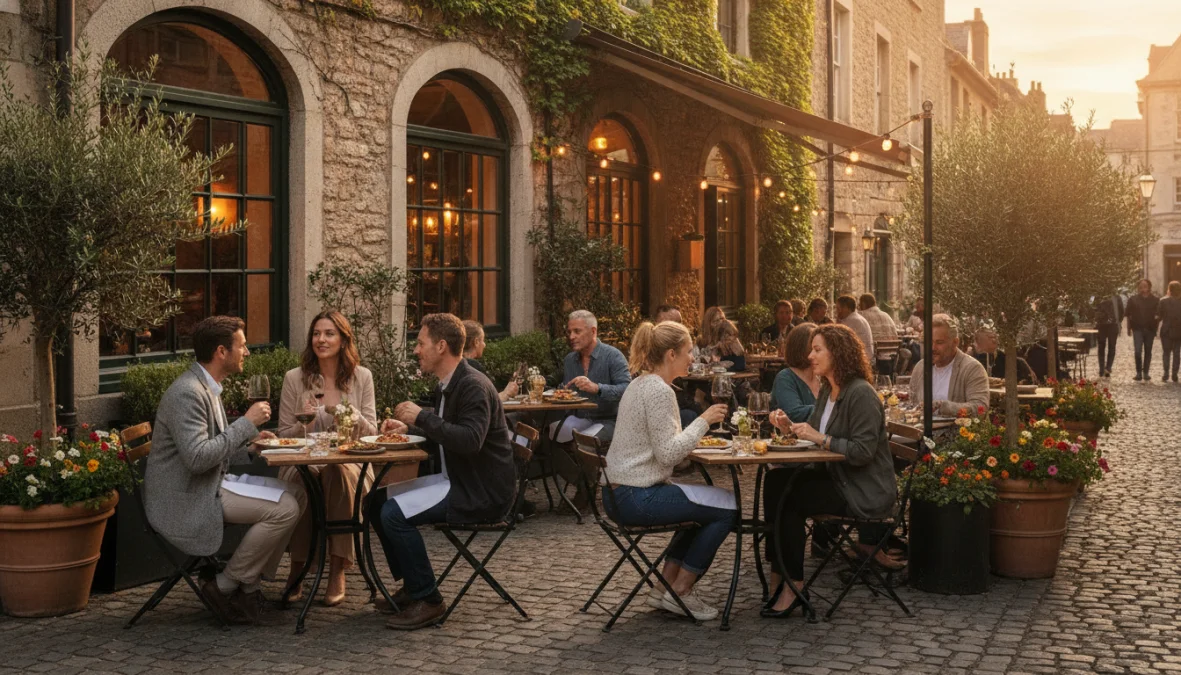
The simplest way to find local food in Europe is literally following locals. Walk through residential neighborhoods around 1 PM or 8 PM (adjust for Spanish or Greek hours) and look for packed restaurants with predominantly local clientele. If you see families with children, elderly couples, and groups of friends speaking the local language, you’ve struck gold.
Digital sleuthing works wonders when you know the tricks. Switch your Google Maps language to the local one before searching—you’ll see different results than the tourist-optimized English version. Read reviews written by people with local names in the local language, not just English-speaking visitors. Check posting dates: if a place has been consistently reviewed by locals over years, it’s legitimate.
Country-specific apps are invaluable. TheFork (called ElTenedor in Spain) is your best friend in France and Italy for finding local eateries with real reservations and reviews. In Germany, try Quandoo. These platforms are used by residents, not just tourists hunting for authentic cuisine in Europe. When you’re planning your food adventures, consider coordinating with cheap last-minute weekend deals to maximize your culinary exploration budget.
Timing matters enormously. Authentic family-owned restaurants fill up during local lunch and dinner hours. In Spain, if a restaurant is packed at 2:30 PM or 10 PM, it’s probably legit. Empty at peak hours? Locals know something you don’t.
Geographic and Cultural Indicators of Authenticity
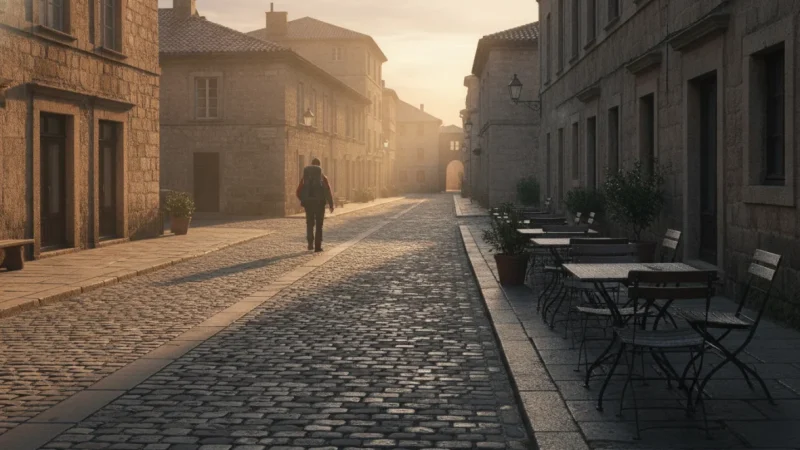
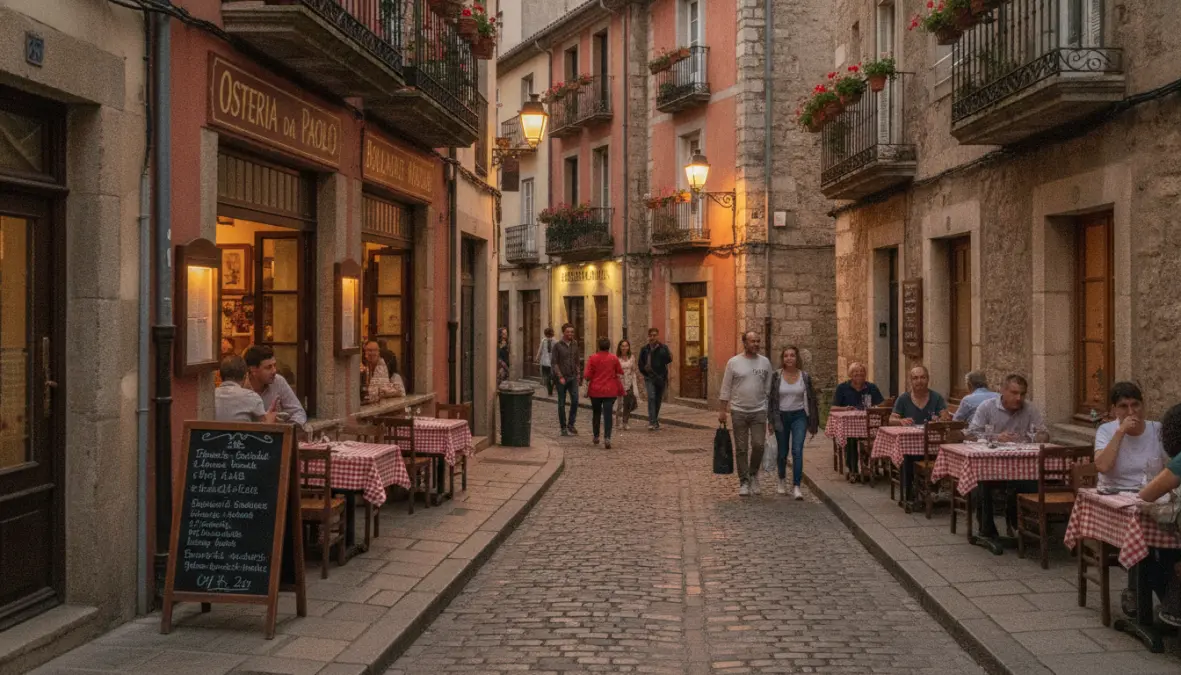
Geography is destiny when hunting for authentic cuisine in Europe. The golden rule: walk at least three to four streets away from any major tourist attraction. That trattoria near the Trevi Fountain? Tourist trap. That osteria ten minutes away in a residential side street? Probably fantastic.
Neighborhood taverns and local haunts cluster in areas where rent is affordable and foot traffic consists of regulars. Look for districts where you see laundromats, hardware stores, and pharmacies—signs of actual neighborhood life rather than tourist infrastructure.
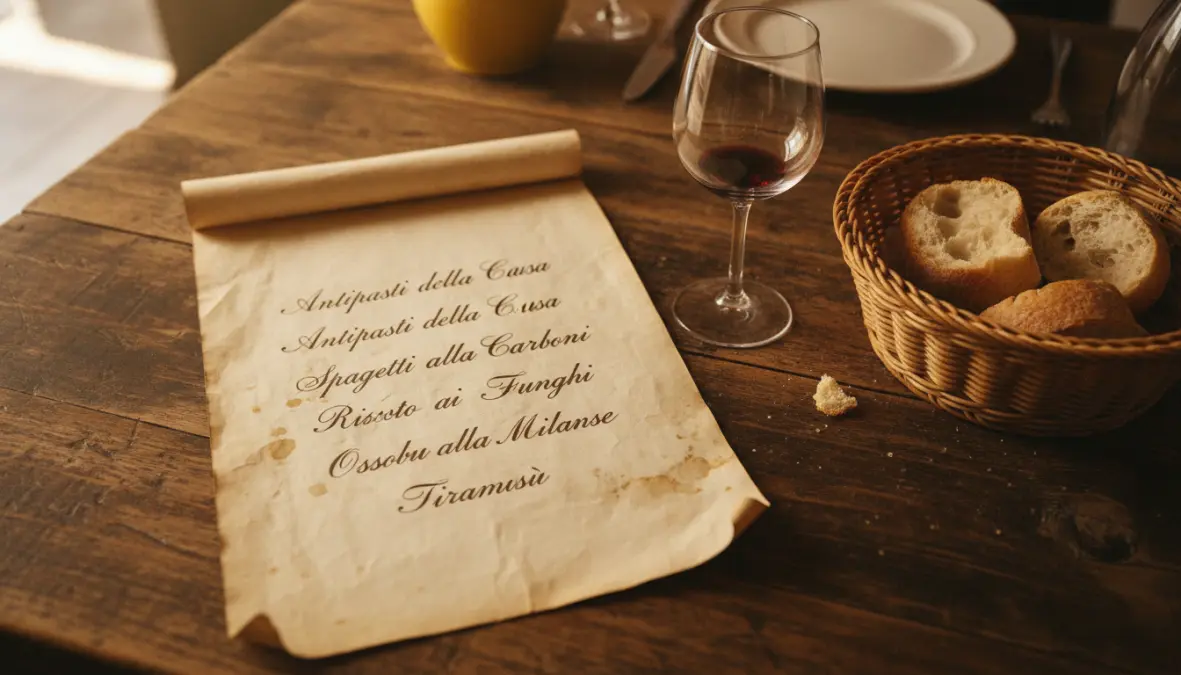
Menu specificity screams authenticity. A restaurant advertising “Italian food” is generic and suspicious. One specializing in “Cucina Romana” or “Osteria Toscana” signals focus on regional specialties. Seasonal menus are another excellent indicator—restaurants changing dishes based on ingredient availability care about quality, not just volume.
Language is your litmus test for European dining tips: if the menu is only in the local language (or has a small English section clearly added as an afterthought), you’re probably in the right place. One-page, handwritten or simple menus often indicate freshly prepared food rather than reheated industrial portions. While exploring authentic dining spots, you might want to download some offline travel apps to help you navigate to those off the beaten path locations without data roaming charges.
Country-Specific Tips for Finding Local Dining Gems
Each European country has unique dining culture codes that separate tourist traps from authentic local cuisine. Here’s your cheat sheet for finding the real deal:
Italy: Avoid anywhere near the Colosseum, Duomo, or Piazza San Marco calling itself a “ristorante.” Instead, search for “trattoria,” “osteria,” or “enoteca” in residential neighborhoods. If the pasta is made in-house and they only serve three primi options, you’ve found authenticity. Locals eat late—8:30 PM onwards—so empty restaurants at 6 PM doesn’t mean they’re bad.
France: Bistros de quartier (neighborhood bistros) are your target, not brasseries near monuments. Look for daily chalkboard menus with prix fixe options. In Paris, cross the canal or head to the 10th, 11th, and 20th arrondissements where locals actually live and eat. For more culinary adventures, check out our guide to European cities for food lovers.
Spain: Timing is everything. If you’re eating dinner before 9 PM, you’re in a tourist trap. Look for “menú del día” at lunchtime (usually 1:30-3:30 PM)—these three-course set menus are where locals eat affordably. Tapas bars crowded with standing Spaniards at 8 PM? Perfect. Empty tables with English signs? Pass.
Germany: Seek out “Gasthaus” or “Gasthof” in residential areas rather than restaurants in Marienplatz or Alexanderplatz. Authentic German establishments often have Stammtisch (regulars’ tables) and serve regional dishes like Schweinshaxe or Spätzle, not generic schnitzel for tourists.
Greece: Avoid tavernas with photos and touts on Plaka’s main streets. Instead, wander into residential neighborhoods where you’ll find family-run tavernas with simple menus, communal seating, and locals arguing passionately about politics over wine. Fresh fish is priced by weight, and house wine comes in small carafes.
FAQ: Finding Authentic European Restaurants
How do you know if a restaurant is a tourist trap?
Look for multilingual menus with photos, aggressive touts outside, prime locations near landmarks, and empty dining rooms during local meal times. Generic cuisine descriptions rather than regional specialties are another giveaway.
What apps help find local restaurants in Europe?
TheFork (France/Italy), ElTenedor (Spain), Quandoo (Germany), and Google Maps in the local language are your best bets. Instagram geotags can also reveal hidden neighborhood spots.
Is it better to ask hotel staff or locals for recommendations?
Ask locals—shopkeepers, baristas, or people on free walking tours. Hotel staff often have partnerships with nearby restaurants that pay for referrals.
Do authentic restaurants in Europe speak English?
Many don’t speak fluent English, which is actually a good sign. Bring a translation app, point at the menu, and embrace the adventure—it’s part of the authentic experience.
How much should I expect to pay at local vs tourist restaurants?
Authentic local spots typically cost 30-50% less than tourist traps. A good meal at a neighborhood restaurant might run €15-25 per person versus €35-50+ at tourist-oriented places.
Finding authentic restaurants in Europe transforms your travel experience from generic to genuinely memorable. The carbonara that tastes like your Italian grandmother made it, the bouillabaisse in a Marseille harbor bistro where fishermen actually eat, the tapas bar where you’re the only foreigner—these moments define real travel. Stop settling for convenience and start seeking authenticity. Your taste buds (and your wallet) will thank you. Whether you’re planning romantic weekend getaways or spring weekend breaks, eating where locals eat makes every destination infinitely more delicious.