How to Deal with Pickpockets in European Cities: Essential Safety Tips and Prevention
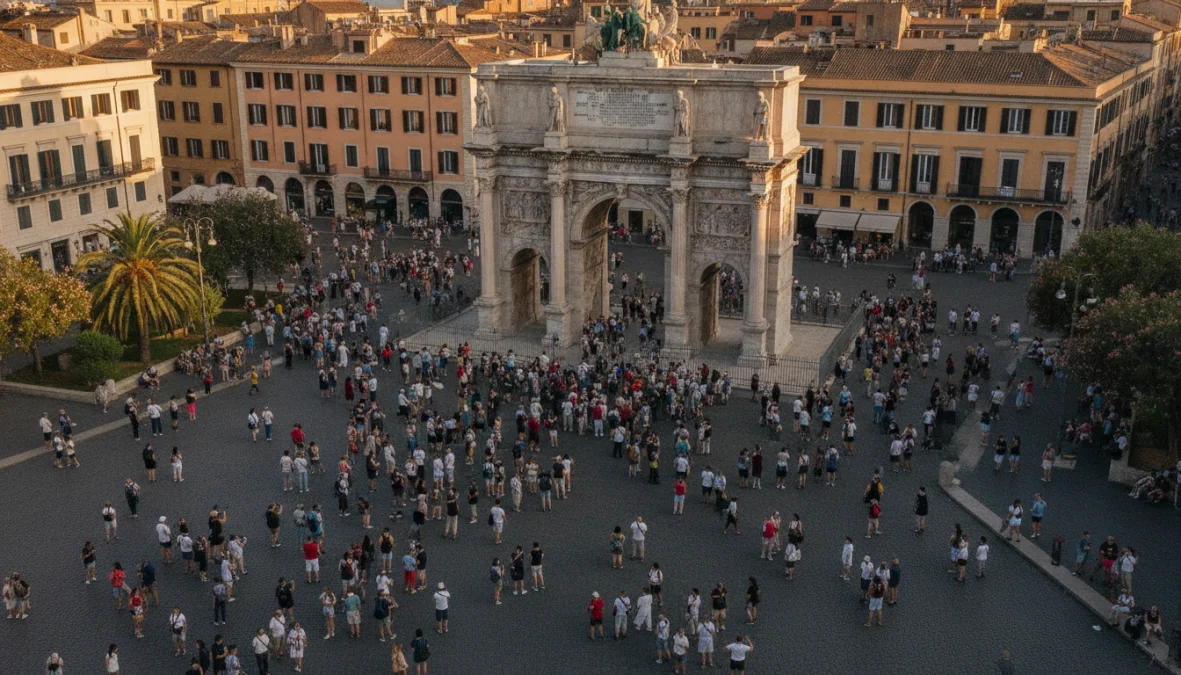
Picture this: you’re standing in front of the Trevi Fountain in Rome, phone in hand, ready to capture that perfect shot. Suddenly, someone bumps into you, another person drops their map at your feet, and before you know it, your wallet’s gone. Sound like a nightmare? Unfortunately, this scenario plays out hundreds of times daily across European cities. But here’s the good news: with the right knowledge and preparation, pickpockets europe prevention becomes much easier than you think. Let’s dive into the street-smart strategies that’ll keep your belongings safe while you enjoy everything Europe has to offer.
Understanding the Pickpocket Problem in European Cities
Let’s not sugarcoat it: European cities safety when it comes to petty theft is a real concern. Barcelona’s Las Ramblas, Paris’s Eiffel Tower area, Rome’s metro system, and Prague’s Charles Bridge consistently rank among the petty crime hotspots where tourists lose valuables daily. According to local police reports, tourist-targeted theft accounts for a significant portion of street crime in these destinations, with some estimates suggesting thousands of incidents monthly during peak season.
Why are tourists such easy targets? It’s simple psychology and opportunity. We’re distracted by maps, cameras, and unfamiliar surroundings. We carry more cash and valuables than locals. Our body language screams “visitor,” and professional thieves have perfected the art of spotting us from a mile away. They work in teams, use sophisticated distraction techniques, and operate in crowded tourist areas where escape is easy and witnesses are too busy taking selfies to notice.
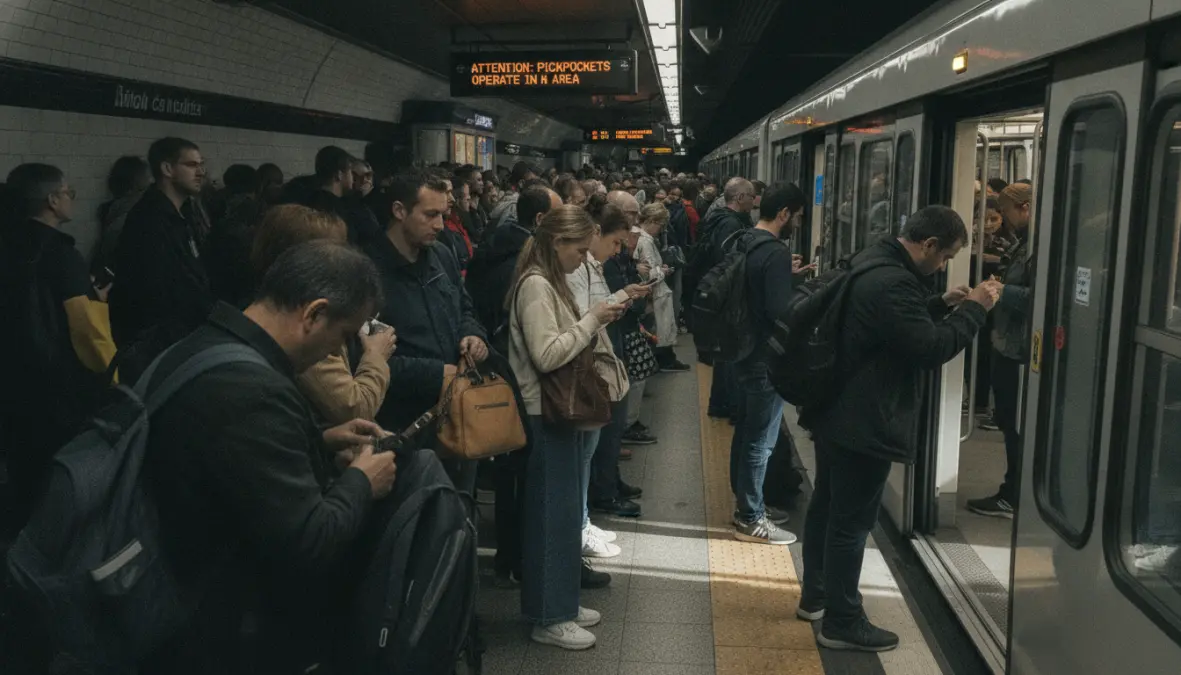
Common techniques include the classic “sandwich” method on metro cars (one person blocks you from the front, another from behind, while a third empties your pockets), the petition scam (someone shoves a clipboard at you while accomplices reach for your bags), and the staged argument or performance that draws your attention away. The best street crime prevention starts with knowing these tactics exist. If you’re planning to explore multiple destinations, check out our guide on how to plan a multi-city European weekend, where transit hubs often become prime hunting grounds for thieves.
Proven Prevention Strategies: What to Do Before and During Your Trip
Smart pickpocket prevention tips begin before you even board your flight. First, get comprehensive travel insurance that covers theft—it won’t prevent crime, but it’ll soften the financial blow. Make digital copies of your passport, credit cards, and important documents, storing them in cloud storage accessible offline. This simple step saves enormous headaches if you need to prove your identity after theft.
Now let’s talk about how to avoid pickpockets in Europe through smart behavior. Situational awareness is your superpower. That means putting your phone away when walking through busy areas, staying alert in metro stations, and trusting your gut when something feels off. Project confidence—thieves target people who look lost or overwhelmed. Walk with purpose, keep your head up, and avoid staring at your phone while navigating unfamiliar streets.
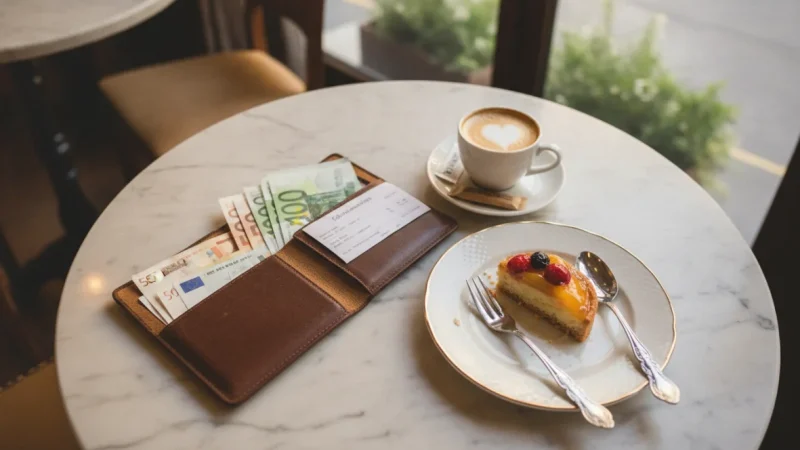
Never flash expensive jewelry, cameras, or thick wallets. Distribute valuables across multiple locations: some cash in your front pocket, cards in a money belt, phone in an inside jacket pocket. If someone steals one item, you haven’t lost everything. On public transportation, keep bags in front of you, with zippers facing your body. In restaurants, never hang bags on chair backs—loop the strap around your leg or keep it on your lap.
When exploring destinations highlighted in our best European cities for food lovers, remember that busy outdoor cafés and markets are pickpocket paradises. Stay vigilant even while enjoying that amazing gelato.
Essential Anti-Theft Gear and Smart Packing
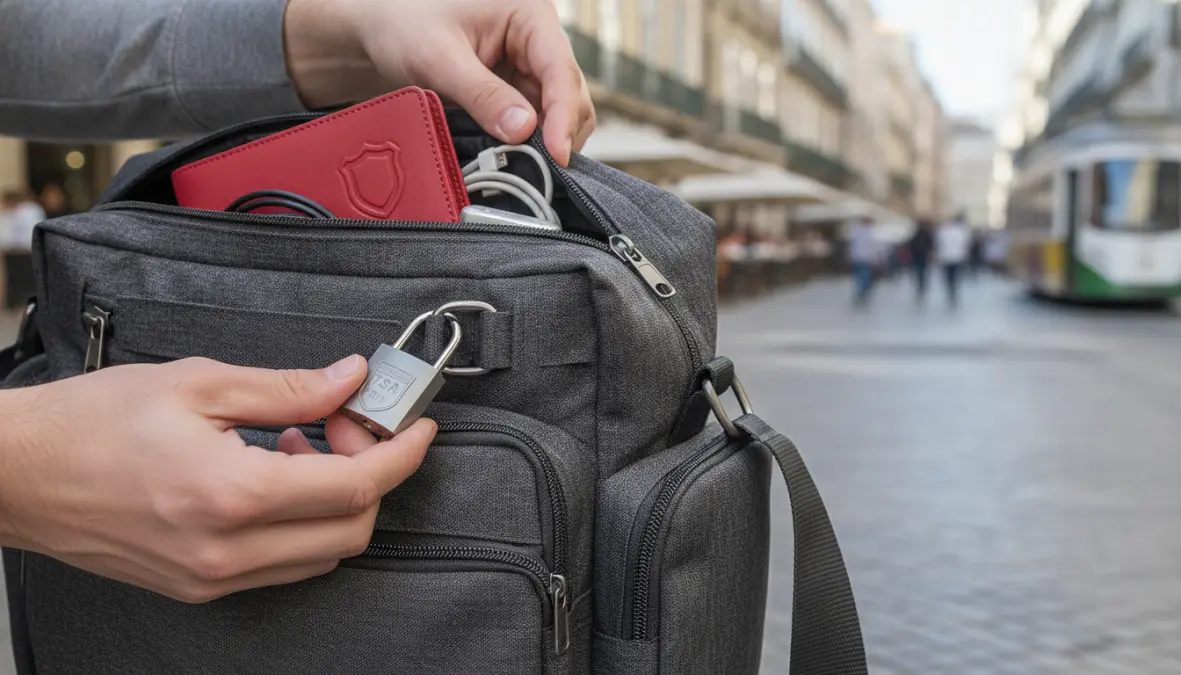
The question of best anti-theft bags for European travel comes up constantly, and honestly, some products are worth the investment. An RFID blocking wallet prevents digital theft of credit card information—though traditional pickpocketing remains more common than RFID skimming. Slash-proof bags with steel-reinforced straps and locking zippers genuinely deter opportunistic thieves who rely on quick grabs.
Look for bags with hidden pockets and compartments that don’t scream “expensive tourist.” A discreet money belt worn under clothing is one of the safest ways to carry money in Europe for your emergency cash and backup credit card. Portable cable locks let you secure bags to café tables or train racks. That said, skip the gimmicky gadgets—no amount of gear replaces awareness. The best protection is keeping valuables out of sight and staying alert.
Recognizing Common Pickpocket Tactics and Scams
Understanding most common pickpocket techniques in European cities helps you spot trouble before it strikes. The petition scam involves someone (often posing as a charity worker) shoving a clipboard or petition at chest level, blocking your view of your lower body where accomplices work. The “helpful stranger” offers to take your photo, then runs off with your phone or camera.
Watch for the mustard or fake bird droppings trick: someone “accidentally” spills something on you, then offers to help clean it while stealing your belongings. Fake police might approach asking to “inspect your wallet for counterfeit bills.” The baby toss—where someone thrusts a baby or bundle at you—rarely happens but stays in the playbook. If someone invades your personal space unexpectedly, step back immediately and check your pockets.
What to Do If You’re Targeted or Robbed
If you catch someone attempting theft, make noise. Yelling “police” or “thief” in the local language (“polizia,” “polizei,” “policía”) draws attention thieves desperately want to avoid. Move to a safe, populated area immediately. Don’t chase the thief—it’s not worth potential violence over replaceable items.
Understanding what to do if pickpocketed in Europe minimizes damage. First, call your credit card companies immediately to freeze cards. The European emergency number is 112 everywhere. File a police report even if recovery seems unlikely—you’ll need it for insurance claims. Contact your embassy or consulate if your passport was stolen; they can issue emergency travel documents. If your phone was taken, use Find My iPhone or Android Device Manager from another device to locate or wipe it.
For travelers relying on digital navigation, losing your phone complicates things. Our guide on navigating European cities without data roaming includes offline solutions that work even after theft. Learn from the incident: were you distracted, in a known hotspot, displaying valuables? Adjust your behavior for the rest of your trip.
FAQ: Common Questions About Pickpockets in Europe
Which European cities have the most pickpockets?
Barcelona, Paris, Rome, Prague, and Madrid consistently top the lists. Major tourist attractions, metros, and popular markets in these cities see the highest incident rates. However, pickpockets operate everywhere tourists gather, so never let your guard down completely.
What time of day are pickpockets most active?
Peak hours match tourist activity: midday to early evening when attractions are busiest. However, theft happens anytime crowds gather. Metro rush hours (morning and evening) also see increased activity as pressed bodies provide cover for theft.
Should I carry my passport with me?
Generally, no. Leave it locked in your hotel safe and carry a photocopy or digital copy for identification. You’ll only need the actual passport for specific situations like currency exchange or border crossings when using European rail passes.
Are anti-theft bags really worth it?
Yes, if you choose wisely. Locking zippers, slash-proof materials, and RFID blocking provide genuine security layers. However, they’re tools, not magic shields. A $200 anti-theft backpack won’t help if you leave it unattended or fail to zip it closed.
Is travel insurance necessary for pickpocket incidents?
Absolutely recommended. Most comprehensive travel insurance policies cover theft, though coverage limits and deductibles vary. It won’t replace sentimental items, but it helps recover financial losses from stolen electronics, cash, and the hassle of replacing documents.
Where do pickpockets target tourists in Europe most frequently?
Metro systems, train stations, popular monuments (Eiffel Tower, Colosseum, Sagrada Familia), outdoor markets, and restaurant terraces with outdoor seating. Basically, anywhere tourists congregate and get distracted. Even during free walking tours, stay alert in crowded stops.
Look, tourist theft prevention doesn’t mean living in paranoia or avoiding Europe’s incredible experiences. It means being smart, staying aware, and taking simple precautions that become second nature after a few days. Most trips to Europe happen without incident when travelers use common sense. Keep valuables secure, stay alert in crowds, and trust your instincts. With these travel safety tips in your back pocket (the secure one, not the easy-to-reach one), you’ll enjoy everything from spring weekend getaways to solo travel adventures with confidence. Now get out there and explore—just keep one hand on your wallet.