How to Book European Train Tickets: Complete Country-by-Country Guide
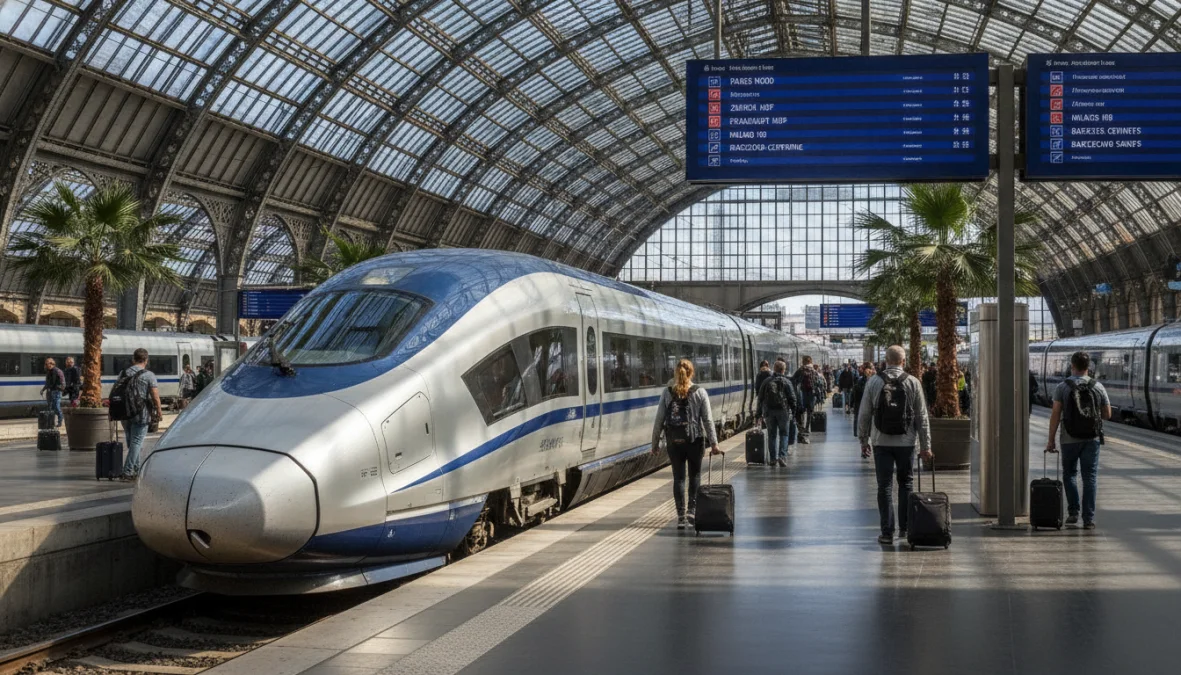
Picture this: you’re standing at a European train station, coffee in hand, ready to glide through the Swiss Alps or zip into the heart of Paris. But before that romantic moment happens, there’s one crucial step—figuring out how to book European train tickets without losing your mind. Unlike buying a simple bus ticket back home, European train booking can feel like navigating a maze of different websites, languages, and booking systems. The good news? Once you crack the code, it’s actually pretty straightforward. Let’s break down everything you need to know about getting those train tickets Europe sorted so you can focus on the fun part—the journey itself.
Understanding European Train Booking Systems
Here’s the thing about european train booking: there’s no single “European Railway” running the show. Instead, each country operates its own national railway company, each with its own website, pricing system, and quirks. This is where it gets interesting—and occasionally frustrating.
You’ve got two main approaches when it comes to european railway tickets. First, there are the national railway websites (like France’s SNCF, Germany’s DB, or Italy’s Trenitalia) where you book directly from the source. Second, there are aggregator platforms like Trainline, Omio, and Rail Europe reservations that pull together tickets from multiple countries into one interface. So which should you use?
For domestic travel within a single country, national sites usually offer the best prices and earliest access to advance tickets. But for cross border trains or complex multi-country itineraries, aggregators can save you serious time. Just know that aggregators sometimes add small booking fees, while national sites typically don’t.
The pricing game is crucial to understand. High speed trains like France’s TGV, Italy’s Frecciarossa, or Spain’s AVE use dynamic pricing similar to airlines—book early, pay less. We’re talking differences of €20 versus €100 for the same route. Regional trains, on the other hand, usually have fixed prices regardless of when you book. Knowing how far in advance to book european train tickets can save you a bundle—typically 2-3 months ahead for high-speed routes gives you the sweet spot between availability and price.
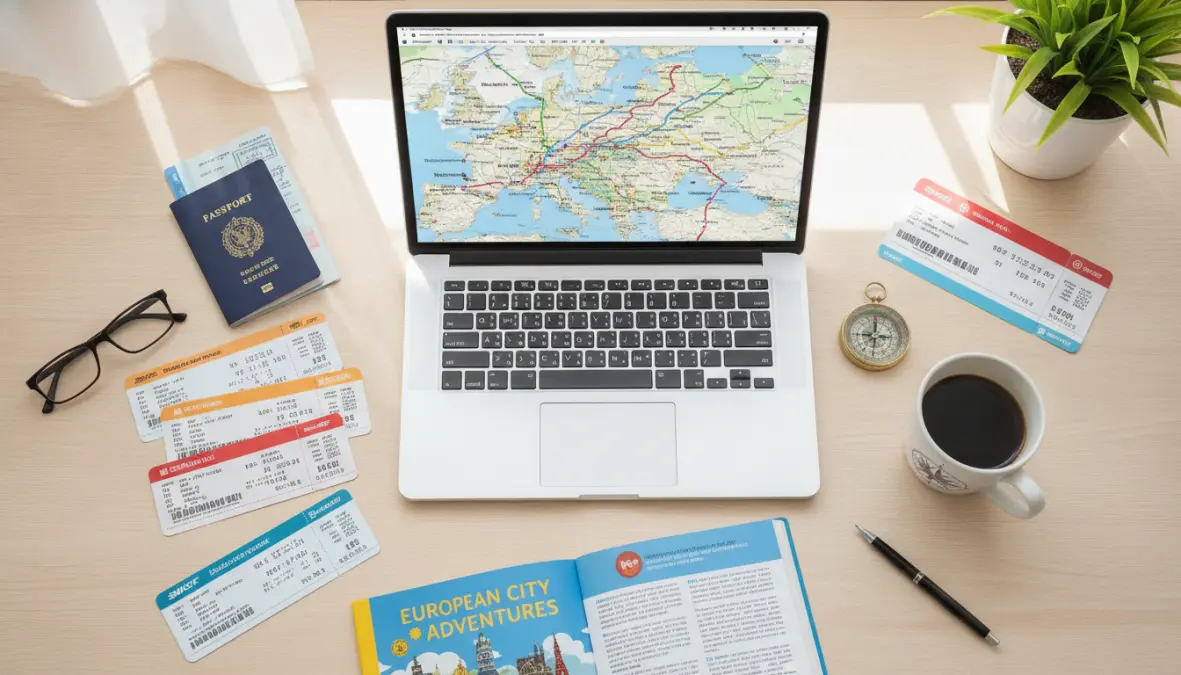
How to Book Train Tickets by Country: Step-by-Step Guide
Now let’s get practical. Here’s your country-by-country breakdown on exactly how to book train tickets in europe online, because each nation does things just a little differently.
Western Europe: France, Germany, and Benelux
France (SNCF Connect): The French railway system is extensive and efficient, but their booking site can be temperamental with foreign credit cards. Head to SNCF Connect (the rebranded OUI.sncf) to book train tickets online europe style. The site accepts most international cards now, though PayPal is your safest bet. Book TGV tickets 3-4 months in advance for the cheapest fares. Mobile tickets work perfectly—no need to print. Pro tip: for Eurostar to London, book directly through Eurostar.com for better prices than aggregators.
Germany (Deutsche Bahn/DB): DB Navigator is arguably the best way to book european train tickets if you’re doing anything complex. Their website and app are incredibly user-friendly, available in English, and accept foreign cards without drama. Germany’s network connects seamlessly to neighboring countries, making it perfect for planning routes from Amsterdam to Prague or Vienna. Seat reservations aren’t mandatory on most German trains (except ICE Sprinter), but they’re worth the €4.50 on busy routes. Consider checking out multi-city European weekend train routes for inspiration on German connections.
Benelux (NS International): For Netherlands, Belgium, and Luxembourg, NS International handles international bookings while domestic Dutch tickets go through NS.nl. Both sites work smoothly with foreign cards. The Thalys high-speed service connecting Amsterdam, Brussels, and Paris requires advance booking with train reservation europe style—grab those early-bird fares.
Southern and Eastern Europe: Italy, Spain, and Beyond
Italy (Trenitalia & Italo): Italy has two competing operators, which actually works in your favor. Trenitalia is the state railway covering the whole country, while Italo runs sleek high-speed trains on major routes. Both websites can be clunky with foreign cards—try different browsers or use PayPal. Always compare prices between both operators for routes like Rome-Florence or Milan-Venice. Mobile tickets are standard. If you’re planning a quick city break, Italian trains make hopping between cities effortless.
Spain (Renfe): Renfe’s website has improved dramatically but still has its moments. The cheapest way to book european train tickets in Spain is through their “Promo” and “Promo+” fares, released about 60 days out. Payment can be tricky—have multiple card options ready. The AVE high-speed network is fantastic for Madrid-Barcelona or Seville connections. Always print your ticket or have the PDF ready on your phone; Spanish conductors can be sticklers about this.
Austria (ÖBB): Austria’s ÖBB is the unsung hero of European rail—their website works beautifully, prices are reasonable, and they sell tickets for many Eastern European routes too. It’s often where to buy train tickets for europe travel when heading to Czech Republic, Slovakia, or Hungary. Night trains are ÖBB’s specialty, and they’re making a comeback across Europe.
Frequently Asked Questions About European Train Reservations
Can I book all European trains on one website? Not really. While aggregators like Trainline cover many countries, they don’t have every route or the earliest deals. For comprehensive planning, you’ll need to mix national sites with aggregators.
Do I need to print train tickets? Mostly no. Most operators accept mobile tickets on your phone, but Spain and some Eastern European countries still prefer printed PDFs or paper tickets from train stations. Check the ticket terms when booking.
How far in advance should I book? For high-speed trains, 2-3 months gives you the best prices. Regional trains can be booked days before with no price difference. Think of it like choosing between budget airlines (book early) versus buses (same price anytime).
Are reservations mandatory? Depends. High-speed trains almost always require them. Regional trains rarely do. Railway platforms will show reservation requirements on departure boards—look for the “R” symbol.
What about rail pass vs point-to-point tickets? If you’re doing 3+ long-distance trips in a short period, an Eurail pass or Interrail might save money. But remember that pass holders still need seat reservations on many trains, which cost extra. Check out our detailed rail passes savings guide for the full breakdown.
Can I get refunds? Flexible tickets usually allow changes and refunds (with fees), while discount advance tickets are often non-refundable. Always check the fare conditions before confirming your buy train tickets europe purchase.
Do I need to validate tickets? In Italy and some other countries, yes—regional tickets must be stamped at yellow machines before boarding. But advance-booked high-speed tickets with assigned seats don’t need validation. Confused? You’re not alone.
Booking European trains doesn’t have to be overwhelming. Yes, there’s a learning curve, but once you understand each country’s system, you’ll be zipping from Barcelona to Berlin like a seasoned pro. The freedom of Europe’s rail network is unmatched—no airport security, no baggage fees, just you and the changing landscapes outside your window. Now grab that coffee, pick your first destination, and start booking. Your perfect European adventure is just a few clicks away.