Best European Airport Transfer Options: Trains, Buses, and Shuttles Compared

Landing at a European airport should be the start of your adventure, not a source of stress. Yet standing in arrival terminals with your luggage, trying to figure out the best way to reach your destination, can feel overwhelming. Should you hop on the first shuttle you see? Wait for a train? Pre-book a private transfer? With dozens of airport transfers europe options available—from high-speed trains to budget buses—choosing the right ground transportation can save you time, money, and hassle.
Whether you’re jetting off for a solo weekend adventure or planning a culinary escape, getting your airport transfer right sets the tone for your entire trip. Let’s break down the real differences between trains, buses, and shuttle services so you can make the smartest choice for your journey.
Understanding Your Airport Transfer Options in Europe
European airport transfer services have evolved into a sophisticated network of options catering to every budget and preference. The main categories include trains (ranging from metro lines to dedicated airport express services), buses (public routes, express coaches, and airport-specific lines), shared shuttle services, private transfers, traditional taxis, and ride-sharing apps like Uber or Bolt.
Each option comes with distinct trade-offs. Public transport airport europe connections like trains and buses typically offer the cheapest airport transfer options in europe, often costing between €2-15, but may involve stairs, multiple stops, or limited luggage space. Shared shuttles provide door-to-door convenience at moderate prices (€15-30 per person) but require coordinating with other passengers. Private transfers deliver maximum comfort and flexibility, especially valuable for groups or families, though at premium prices (€40-100+).
When deciding between options, consider these key factors: your travel convenience priorities (speed vs. cost), number of travelers (private transfers become cost-effective for 3+ people), luggage handling needs (multiple bags favor transfers over public transport), departure schedules (early flights may limit public options), and your final destination’s distance from city center connections. A business traveler with one carry-on has very different needs than a family of four with checked bags heading to a suburban hotel.
Comparing Train, Bus, and Shuttle Services: Costs, Convenience & Coverage
Let’s dive into the practical differences between the three most popular airport transfer comparison europe categories, examining what each brings to the table.
Train Transfers: Speed and Reliability
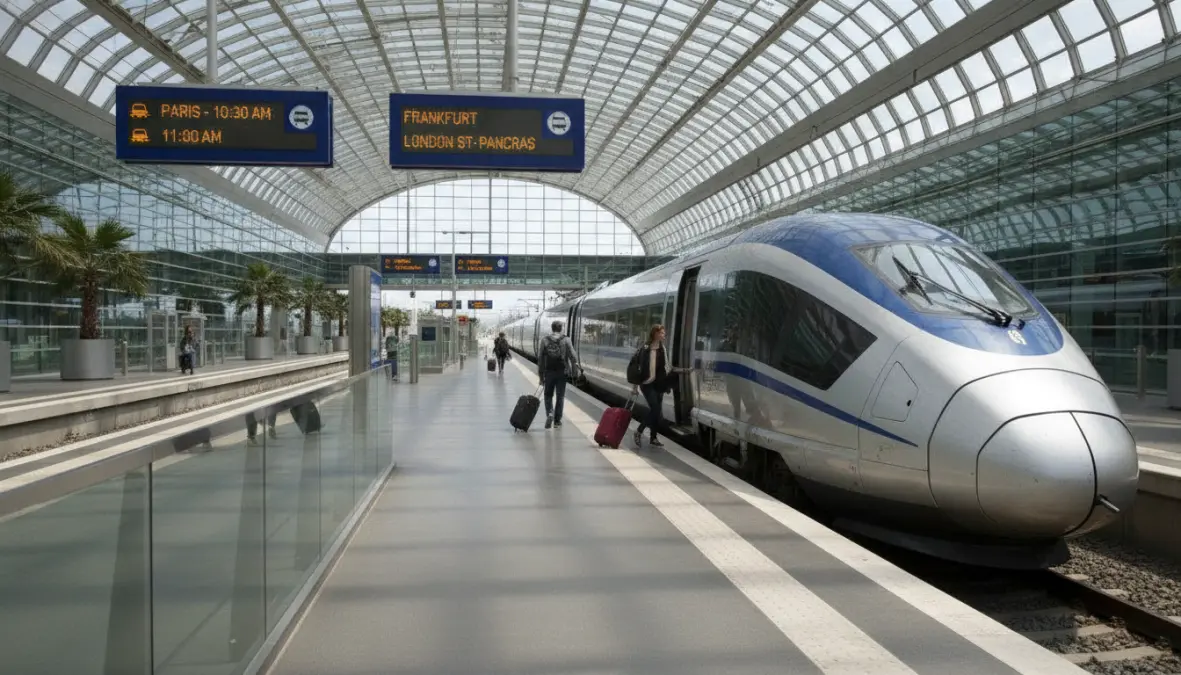
Train transfers european airports represent the gold standard for combining speed, frequency, and reliability. Major European hubs like Amsterdam Schiphol, Rome Fiumicino, Paris Charles de Gaulle, London Heathrow, and Frankfurt offer dedicated rail connections with trains departing every 10-30 minutes during peak hours.
Journey times are impressively efficient—London’s Heathrow Express reaches Paddington in 15 minutes, while Rome’s Leonardo Express covers the airport-to-Termini route in 32 minutes. Costs typically range from €10-25 for dedicated airport services, though standard metro connections can be as low as €3-5. The predictability is a major advantage; trains bypass traffic entirely, making them ideal when you need to catch a connecting flight or have a tight schedule.
Choose trains when you’re traveling solo or as a couple, your destination is near a central station, you value punctuality, and you’re comfortable navigating stations with your bags. They’re less ideal if your accommodation is far from rail stops or if you’re managing multiple heavy suitcases.
Bus and Shuttle Services: Budget-Friendly Flexibility
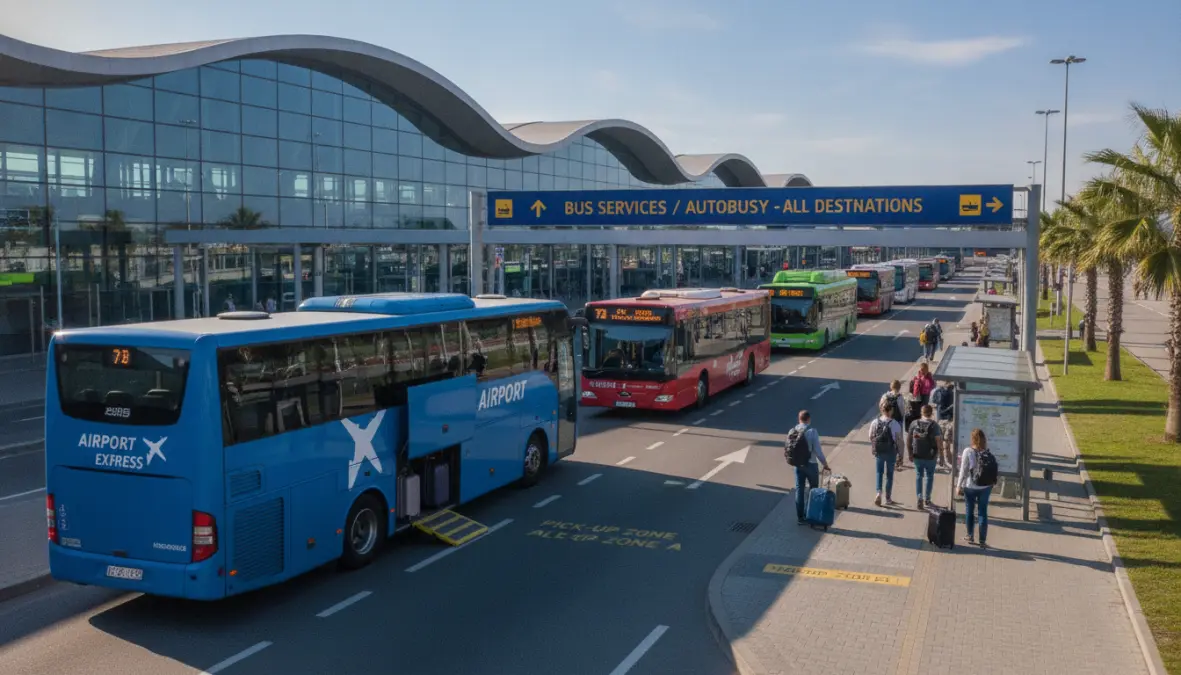
Airport bus connections europe come in three main varieties: public city buses (cheapest but slowest), express airport coaches (balanced option), and shared shuttle services europe (door-to-door convenience). Popular services include Terravision (serving multiple European airports), FlixBus routes, and airport-operated express buses.
The primary advantage is cost—public buses often cost under €5, while express coaches typically range €6-12. Coverage is another strength; buses reach neighborhoods and suburbs that trains simply don’t serve. However, journey time varies significantly depending on traffic, potentially taking 50-90 minutes for routes trains complete in 30. Airport shuttle europe services offer a middle ground, providing hotel drop-offs at €10-20 per person, though you’ll share the ride and make multiple stops.
Buses make perfect sense for budget-conscious travelers, those heading to less central locations, or anyone with flexible schedules who doesn’t mind a longer trip. If you’re comparing train vs bus airport transfer europe options, buses win on price and coverage, while trains dominate on speed and reliability.
Private vs. Shared Transfers: Which Makes Sense for Your Trip?
The debate between private airport transfers europe and shared options ultimately comes down to calculating value beyond just the base price. Private transfers—bookable through platforms like Welcome Pickups, Blacklane, or GetTransfer—offer dedicated vehicles waiting at arrival terminals with your name on a sign, direct routes to your exact destination, and the luxury of traveling on your schedule.
Expect to pay €40-70 for standard sedans serving most European city airports, with prices increasing for larger vehicles or luxury options. The break-even point typically occurs around three passengers. For example, if a train costs €15 per person, a family of four pays €60 total—suddenly that €55 private transfer looks competitive, especially when factoring in the convenience of door-to-door service and no struggles with luggage on public transport.
Shared shuttles occupy the middle ground at €15-25 per person, offering door to door airport shuttle service europe convenience while splitting costs. However, you’ll wait for other passengers and endure multiple drop-offs, potentially adding 30-60 minutes to your journey. Using a booking platform like GetYourGuide or Viator helps compare airport transfer prices europe across providers quickly.
Private transfers make particular sense for early morning or late-night flights when public transport runs infrequently, for groups of 3+ travelers, when carrying significant luggage or sports equipment, for families with young children, or when your destination isn’t well-served by public options. The comfort, privacy, and stress-reduction often justify the premium, especially after a long-haul flight or when starting a special trip to destinations like European island getaways or shopping weekends.
FAQ: European Airport Transfers
What is the cheapest airport transfer option in Europe?
Public city buses connecting airports to urban centers typically offer the cheapest airport transfer options in europe, often costing €2-6. However, they’re also the slowest and least convenient, especially with luggage. Express airport buses provide better value, balancing low costs (€6-12) with reasonable journey times.
Are trains better than buses for airport transfers?
Trains generally offer faster, more reliable service with fixed departure schedules unaffected by traffic. They’re ideal for reaching city centers quickly. Buses, however, provide broader coverage to suburban areas and cost less. Your best way to get from airport to city center europe depends on your specific destination and priorities.
How do I book shared shuttle services in Europe?
Most european airport transfer services can be booked through comparison platforms like GetYourGuide, Viator, or directly through provider websites like Welcome Pickups. Book at least 24-48 hours in advance, providing your flight details and accommodation address. Understanding how to book airport shuttle in europe is straightforward—most platforms offer instant confirmation and flexible cancellation.
Is public transport reliable for early morning flights?
Many public transport airport europe services reduce frequency during early hours (before 6 AM) or late nights. Always check schedules in advance. For departures requiring 4-5 AM airport arrival, private or shared transfers booked in advance often provide more reliable options.
Do I need to book airport transfers in advance?
While not always necessary, pre-booking guarantees availability, often secures better prices, and eliminates arrival stress. It’s highly recommended for private transfers, shared shuttles, peak travel periods, and when arriving at unfamiliar airports. Train and bus tickets can typically be purchased on arrival, though advance booking sometimes offers discounts.
Choosing the right airport transfers europe option transforms a potentially stressful transition into a smooth start to your European adventure. Whether you’re catching a budget flight for a quick city break or arriving for an architecture-focused weekend, matching your transfer method to your specific needs—budget, timing, destination, and group size—ensures you reach your destination comfortably and efficiently. Take five minutes to research your specific route, compare options, and book ahead when beneficial. Your future self, standing in those arrival terminals, will thank you.