eSIM Europe Guide: Comparing eSIM, Roaming & Local SIM Cards for Travel
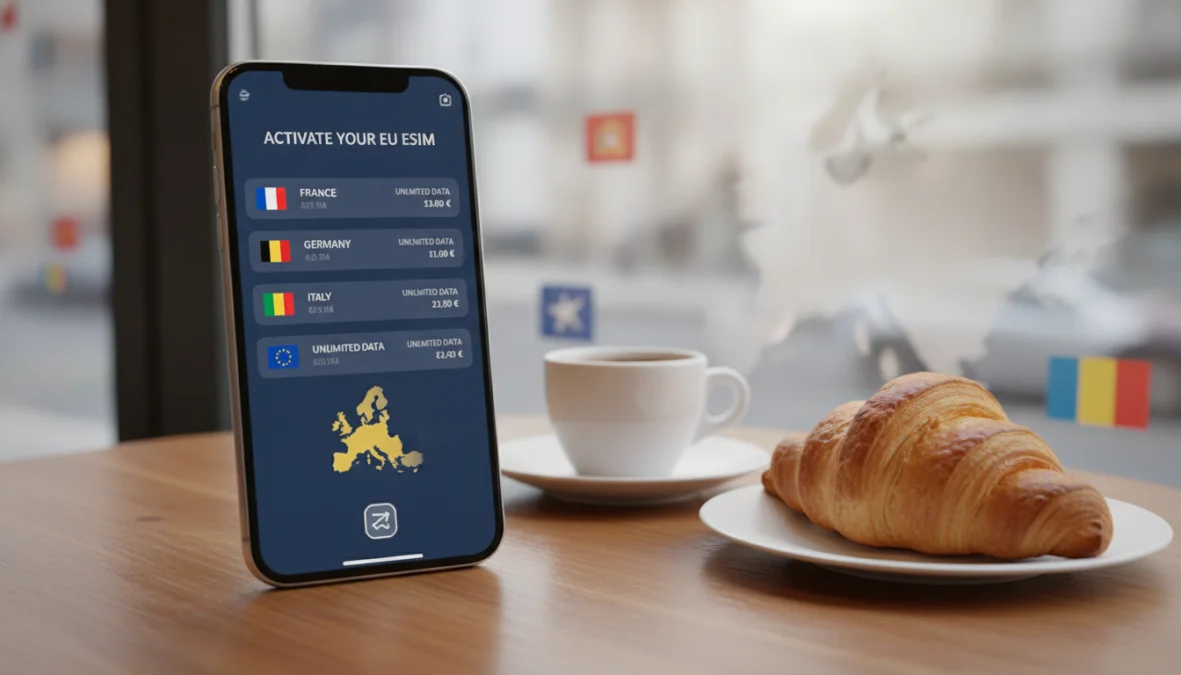
Planning a European adventure and wondering how to stay connected without breaking the bank? You’re definitely not alone. Whether you’re hopping between weekend getaways or embarking on a multi-country tour, choosing the right mobile connectivity solution can mean the difference between smooth navigation and unexpected charges. Let’s break down your options for staying connected across Europe, comparing esim europe solutions, international roaming, and traditional local SIM cards so you can make the smartest choice for your trip.
Understanding Your Mobile Connectivity Options in Europe
When it comes to mobile data europe, you’ve got three main paths: eSIMs, international roaming through your home carrier, or grabbing a local prepaid SIM card. Each has its sweet spot depending on your travel style and needs.
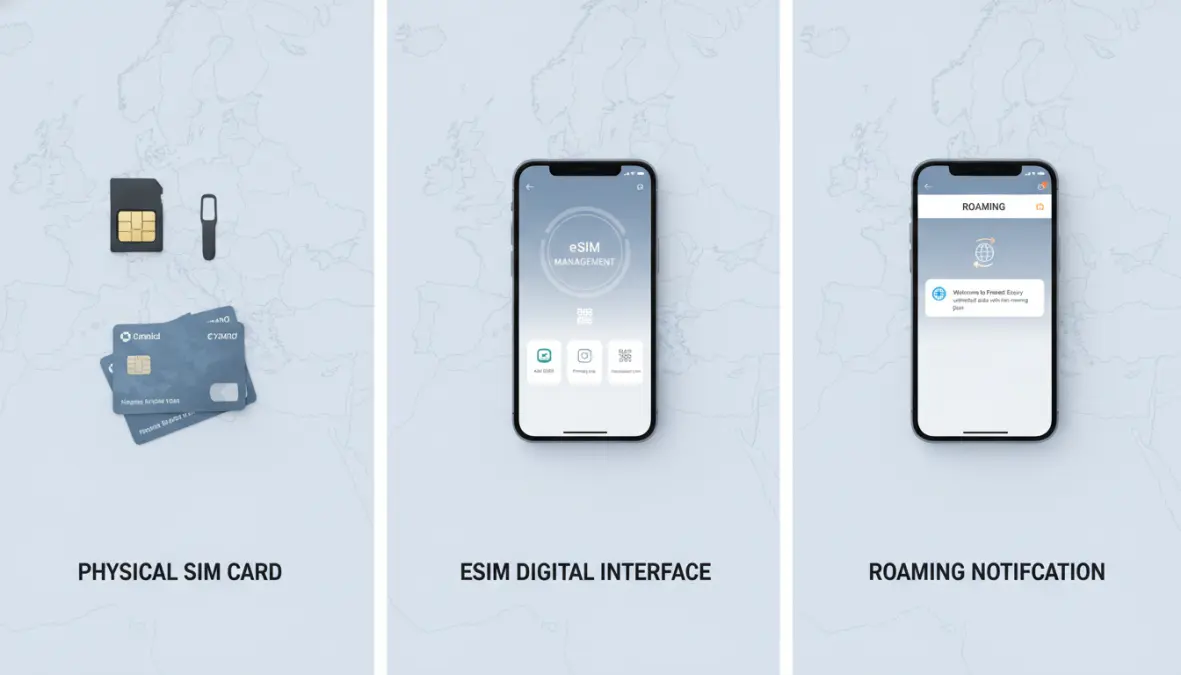
An esim europe solution is essentially a virtual sim card that you download directly to your phone—no physical card required. International roaming means using your existing phone plan abroad (which EU residents can do cheaply thanks to “Roam Like at Home” regulations). A prepaid sim europe option involves buying a physical SIM card from a local mobile operator once you arrive.
| Option | Average Cost | Ease of Use | Best For |
|---|---|---|---|
| eSIM | $15-50 for 5-20GB | Very Easy (instant) | Multi-country trips, short stays |
| International Roaming | Free (EU) / $10-15/day (non-EU) | Easiest (automatic) | EU residents, very short trips |
| Local Prepaid SIM | $10-30 for 10-50GB | Moderate (requires purchase) | Long stays, single country, heavy data users |
The key is matching your choice to your itinerary. If you’re exploring Europe’s culinary hotspots across multiple countries, your needs differ from someone settling into one city for a month.
eSIM for Europe Travel: The Modern Solution
Here’s where things get interesting. An esim for europe travel is a digital SIM that’s embedded in your phone’s hardware. Instead of popping in a physical card, you simply scan a QR code or use an app, and boom—you’re connected. Think of it as downloading your cellular connection like you’d download an app.
The advantages for European travel are compelling. You can activate your europe data plan before even leaving home, meaning you’ll have connectivity the moment you land. Most eSIM providers offer regional plans covering 30+ European countries, so you won’t need to switch anything when crossing from France to Germany. Plus, you can keep your original SIM active for calls and texts while the eSIM handles data—perfect for receiving those verification codes or staying reachable on your regular number.
Device compatibility is crucial: you’ll need an eSIM-capable phone (iPhone XS or newer, Google Pixel 3+, Samsung Galaxy S20+, and most recent flagships). Check your phone’s settings before purchasing any plan.
Pricing varies widely. Budget options start around $5 for 1GB/7 days, while comprehensive plans might run $40-50 for 20GB over 30 days. Popular providers include Airalo, Holafly, and Nomad, each offering different europe esim data plans with varying coverage and speeds. Some offer unlimited data, while others work on tiered packages.
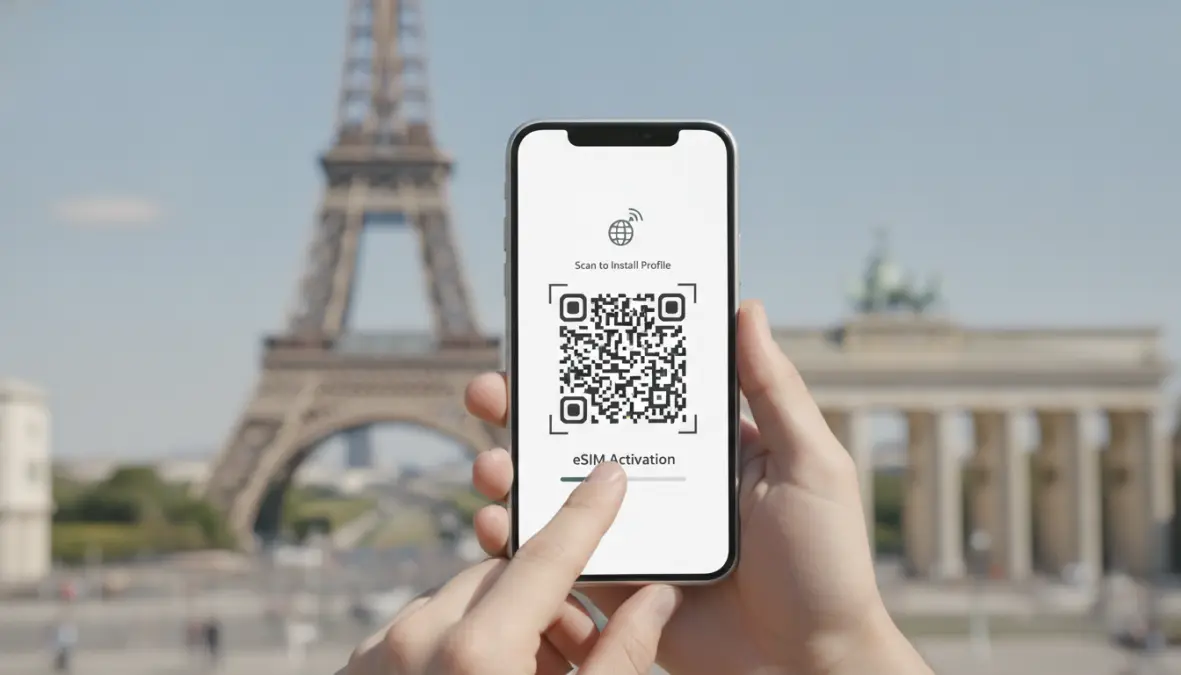
How to activate esim for europe trip: Purchase your plan online, receive a QR code via email, go to your phone’s cellular settings, select “Add Data Plan,” scan the code, and activate. The whole process takes maybe five minutes.
The downsides? eSIMs typically don’t include a local phone number (though some do), they’re slightly pricier per gigabyte than local SIMs, and if you lose your phone, you can’t just pop the SIM into another device. Also, customer service can be hit-or-miss with some providers.
When eSIM Is Your Best Choice
The best esim for traveling to europe scenario? Multi-country trips with moderate data needs. If you’re doing a two-week tour hitting Paris, Amsterdam, and Rome, an eSIM eliminates the hassle of buying new SIM cards in each country or dealing with roaming configurations.
Business travelers love eSIMs because they can maintain their work number while having reliable data. If you’re catching budget flights between cities, the instant activation means you’re connected in every airport without hunting for SIM card kiosks.
For weekend getaways or short trips (3-7 days), eSIMs offer unbeatable convenience. The time saved versus finding a shop, waiting in line, and setting up a local SIM is worth the slight premium in cost.
International Roaming vs Local Prepaid SIM Cards
Let’s tackle international roaming europe first. If you’re an EU resident, you’re in luck—the “Roam Like at Home” regulation means you can use your domestic plan’s minutes, texts, and data across all EU countries at no extra charge. It’s literally the easiest option: you land, your phone connects, done.
But if you’re coming from the US, UK (post-Brexit), Canada, Australia, or elsewhere? International roaming can get expensive fast. Many carriers charge $10-15 per day for international data plans, which adds up to $140-210 for a two-week trip. Some US carriers offer monthly international packages ($70-100 for multiple trips), which might make sense for frequent travelers. The risk? Accidentally leaving data roaming on and returning to a $500 bill. How to avoid roaming charges in europe: either get a specific international package or turn roaming off entirely.
Now for prepaid sim europe options. You can buy local sim card in europe at airports (usually pricier), mobile operator stores, or even some convenience shops. Major mobile operators include Vodafone, Orange, Telefónica, and TIM, each offering tourist-friendly prepaid plans.
Typical costs for a european sim card run €10-25 ($11-28) for 10-50GB lasting 28-30 days—often the cheapest way to get internet in europe if you’re staying longer. You’ll get a local number, excellent network coverage, and often faster speeds than eSIMs since you’re directly on the network.
The catches? You’ll usually need your passport for purchase (anti-fraud regulations). Plans are typically country-specific, so that Spanish SIM will cost extra for data roaming in Italy. Some operators offer EU-wide plans, but they’re pricier. And there’s the physical hassle: finding a shop, communicating (language barriers can be real), and the setup process takes 20-30 minutes minimum.
Making the Right Choice for Your European Trip
Your perfect mobile connectivity solution depends on several factors. Duration matters: for trips under 10 days, eSIMs offer the best convenience-to-cost ratio. Beyond two weeks, local SIMs become more economical, especially if you’re a heavy data user streaming videos or using your phone as a hotspot.
Countries visited is crucial. Hopping between multiple nations? eSIM wins. Staying in one or two countries? Local SIM provides better value. Your travel connectivity budget also plays in—backpackers watching every euro might prefer the cheapest local prepaid, while those prioritizing convenience lean toward eSIMs.
Here are practical recommendations by traveler type:
- Budget backpackers: Local prepaid SIM in your first/main destination country (best GB-per-dollar), download offline maps as backup
- Business travelers: eSIM for seamless multi-country coverage while keeping work number active
- Families: eSIMs for adults (easy management), consider portable WiFi hotspot as alternative for multiple devices
- Weekend trippers: eSIM or small data roaming package if your carrier offers reasonable rates
- Seniors/less tech-savvy: International roaming package from home carrier (simplest, despite higher cost) or eSIM with good customer support
Pro tip: Whatever you choose, always have a backup plan. Download essential info, maps, and accommodation details offline. Check out offline travel apps that work without cellular data.
The bottom line? There’s no universal “best” option—just the best option for your specific trip. Assess your itinerary, data needs, and budget, then choose accordingly. With a solid connectivity plan sorted before departure, you’ll spend less time worrying about WiFi and more time enjoying everything from shopping adventures to spring festivals. Now get out there and explore—your perfectly connected European adventure awaits!