How to Use Uber and Taxi Apps in European Cities: Complete Guide
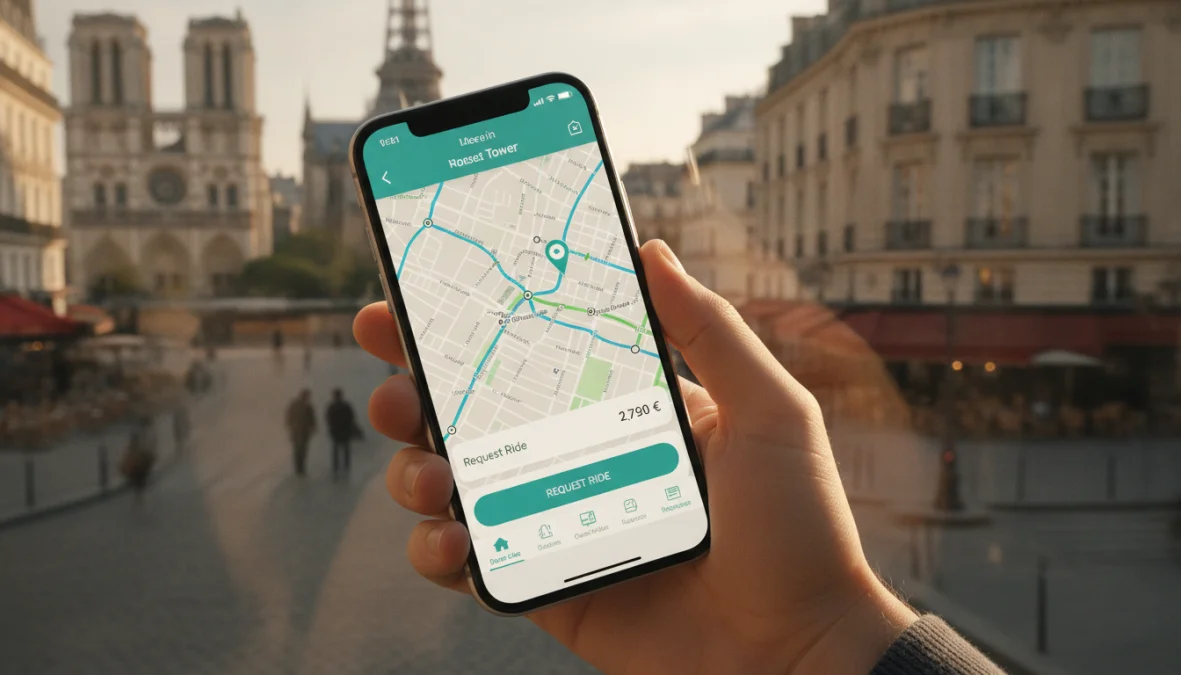
Navigating transportation in unfamiliar cities can be stressful, especially when you’re hopping between Uber Europe cities on a weekend break. While Uber has become synonymous with ride-hailing worldwide, its availability and functionality across Europe varies dramatically from one city to another. Some destinations embrace the service wholeheartedly, while others have banned it entirely or imposed heavy restrictions. Understanding which apps work where—and having backup options ready—can save you time, money, and considerable frustration during your European adventures.
Uber Availability Across European Cities
The presence of Uber in European cities is far more fragmented than in North America. While you can reliably hail an Uber in most major U.S. cities, Europe’s patchwork of local regulations, taxi lobby resistance, and varying transportation policies creates a complex landscape. Major capitals like London, Paris, Amsterdam, Madrid, and Lisbon offer robust Uber services with multiple ride options including UberX, Uber Green, and Uber Comfort.
However, Germany presents a complicated picture—Uber operates in Berlin, Munich, and Frankfurt, but only with licensed taxi and limousine drivers due to strict regulations that effectively banned the original peer-to-peer model. Italy has similar restrictions in many cities, where Uber works primarily through professional drivers rather than the traditional ride-sharing approach. In some smaller European cities and certain countries, Uber simply doesn’t operate at all.
Before your trip, always verify Uber’s availability by opening the app and entering your destination city. The app will show you whether service is available and what ride types you can access. This simple check can prevent the unpleasant surprise of landing in a city expecting convenient rides, only to discover limited options. If you’re planning a multi-city European itinerary—perhaps combining visits featured in our guide on best European cities for solo travel—checking transportation apps for each destination should be part of your preparation.
Where Uber Works Best in Europe
London stands out as arguably Uber’s strongest European market, with extensive coverage, competitive pricing, and average wait times of just 3-5 minutes in central areas. Amsterdam offers similarly excellent service with broad coverage extending beyond the city center. Lisbon has embraced Uber enthusiastically, often providing better value than traditional taxis with wait times typically under 5 minutes in tourist areas.
Madrid and Warsaw also rank highly for Uber service quality, offering reliable availability throughout the city and competitive rates. These cities have integrated ride-hailing into their transportation ecosystems, making them ideal for travelers who prefer app-based services over traditional taxis or public transport.
Cities With Limited or No Uber Service
Germany remains Uber’s most challenging European market. Following legal battles, Uber now operates primarily through partnerships with licensed taxi and limousine companies rather than independent drivers. This means higher prices and reduced availability compared to other European cities. In Berlin, you’ll find Uber, but with fewer cars and longer wait times than London or Amsterdam.
Several Italian cities impose restrictions that limit Uber’s effectiveness. Budapest offers reduced service compared to its pre-regulation peak. These limitations typically stem from local taxi regulations designed to protect traditional taxi services and ensure driver licensing standards. While frustrating for travelers accustomed to seamless Uber experiences, these regulations reflect legitimate concerns about labor standards and fair competition.
Best Alternative Taxi and Ride-Hailing Apps by Country
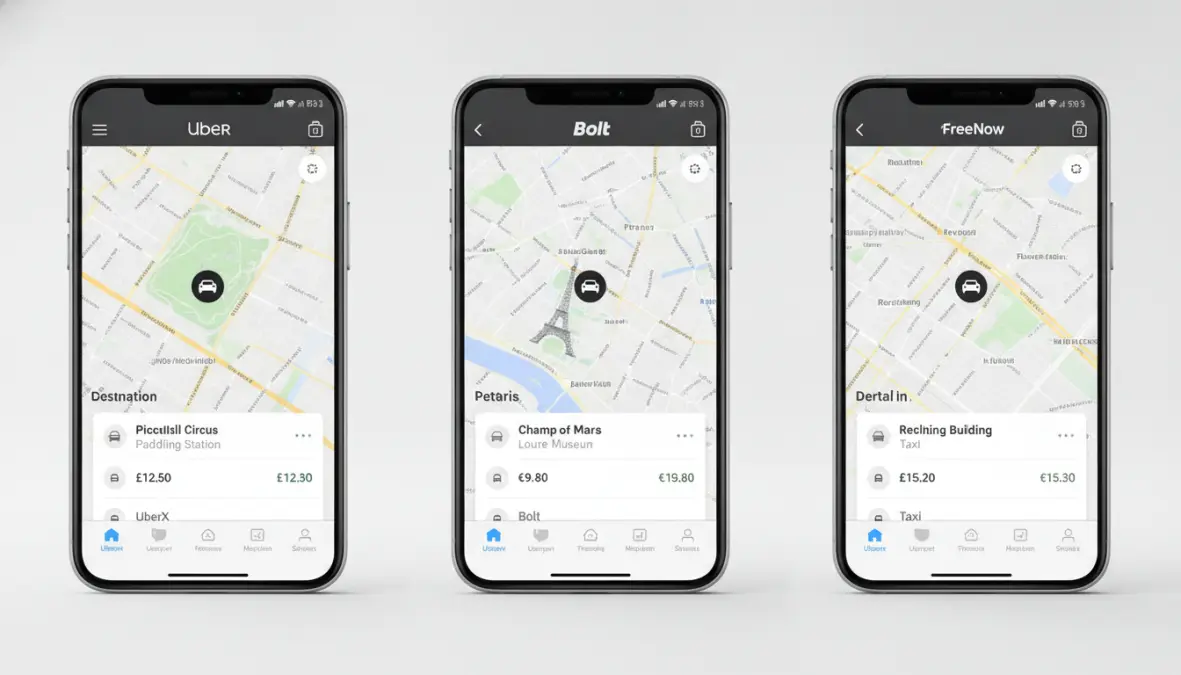
Fortunately, Uber Europe cities with limited service often have excellent alternatives. Bolt (formerly Taxify) has emerged as Uber’s primary pan-European competitor, operating in over 45 European cities including Tallinn, Riga, Lisbon, Paris, and Prague. Bolt typically offers slightly lower prices than Uber and accepts international credit cards, making it ideal for travelers.
FreeNow (formerly MyTaxi) operates across Germany, Spain, UK, Ireland, Poland, and several other countries, combining traditional taxis with ride-hailing services. It’s particularly useful in German cities where Uber struggles. The app works with licensed taxi drivers, ensuring regulatory compliance while offering app-based convenience and cashless payments.
For France, Kapten (now part of FreeNow) and Heetch provide alternatives, especially for late-night rides. Spain’s Cabify operates in Madrid, Barcelona, and other Spanish cities with service quality comparable to Uber. In the UK and Russia, Gett focuses on professional drivers and business travelers. Eastern European travelers should consider Yandex, which dominates in Russia and operates in several neighboring countries.
Here’s a quick comparison of key alternatives:
- Bolt: Best pan-European coverage, competitive pricing, works in 45+ cities
- FreeNow: Ideal for Germany, Spain, and UK; integrates traditional taxis
- Cabify: Strong in Spanish cities, premium service options
- Kapten/Heetch: France-focused, good for late-night rides
- Gett: UK and Russia, business-oriented service
- Yandex: Eastern Europe specialist, essential in Russia
Download multiple apps before your trip—they’re free, and having backup options ensures you’re never stranded. Most accept international credit cards and offer English-language interfaces.
How to Use Uber and Taxi Apps in Europe: Step-by-Step
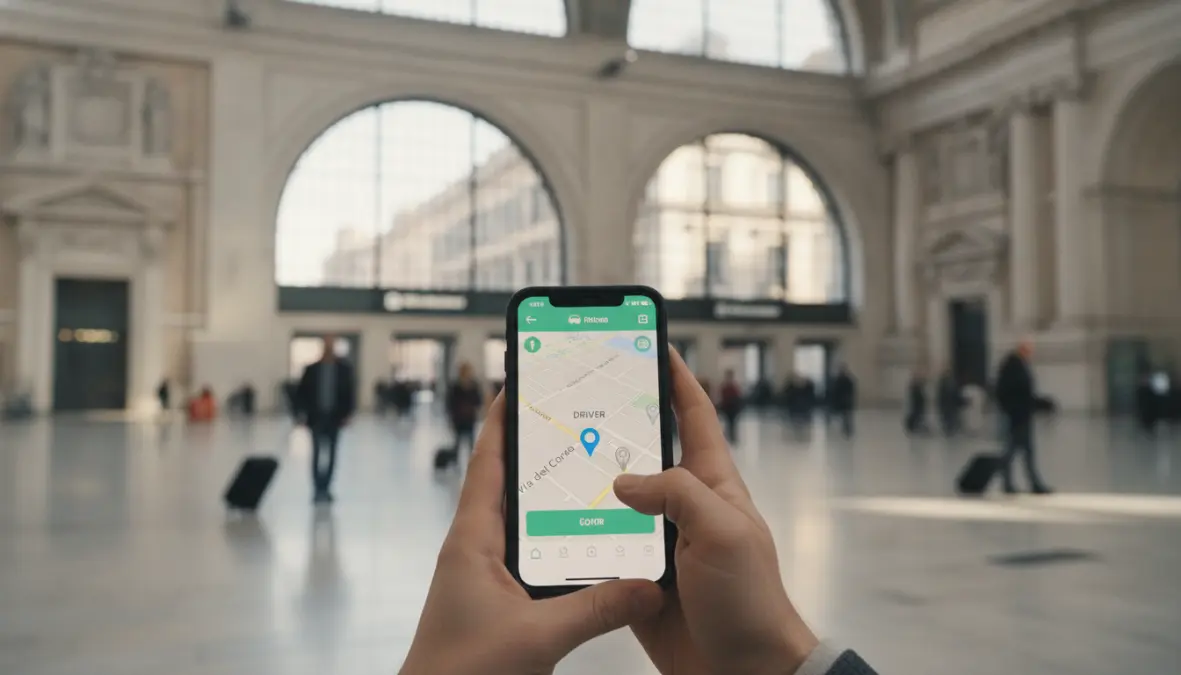
Setting up taxi apps for Europe before departure saves stress and data charges abroad. Download Uber, Bolt, and FreeNow while still at home, connected to WiFi. Register with your email and add an international credit card (Visa and Mastercard work universally). Enable location services for each app.
Regarding connectivity, you have two options: purchase a European data plan or roaming package, or rely on WiFi hotspots. If you’re traveling without constant data access, our guide on navigating European cities without data roaming offers valuable strategies. Many ride-hailing apps allow you to request rides on WiFi, then track them offline briefly, though continuous connection is ideal.
When entering destinations, use complete addresses rather than business names, as European apps may not recognize landmarks the same way you expect. Apps automatically convert prices to local currency—euros in most cases, pounds in the UK, złoty in Poland—but display your home currency equivalent for reference.
Tipping etiquette varies significantly across Europe. In the UK, Spain, and Portugal, tipping isn’t expected for app-based rides, though rounding up is appreciated. In Germany and France, small tips (1-2 euros) are courteous but optional. Eastern European countries generally don’t expect tips for ride-hailing services. The apps allow in-app tipping if you choose.
Always verify your driver by checking the license plate, car model, and driver photo before entering. Share your trip details with friends or family using the app’s built-in safety features. If problems arise, contact support through the app immediately—most services offer 24/7 assistance in English.
To save money, compare prices across multiple apps before booking, especially for airport transfers. Avoid peak hours when surge pricing applies (typically weekday mornings 7-9 AM and evenings 5-7 PM). Look for promotional codes—new users often receive significant discounts on first rides. If you’re planning a broader European adventure using budget airlines or rail passes, factor in transportation app costs when budgeting for each destination.
FAQ
Is Uber available in all European cities?
No, Uber availability varies significantly. It works well in London, Paris, Amsterdam, Madrid, and Lisbon, but faces restrictions in Germany, Italy, and some other countries. Always check the app before traveling to verify service in your destination.
What’s the best alternative to Uber in Europe?
Bolt offers the widest pan-European coverage as an Uber alternative, operating in 45+ cities. FreeNow works excellently in Germany, Spain, and the UK. Download multiple apps for backup options.
Do I need a European phone number to use ride-hailing apps?
No, most apps including Uber, Bolt, and FreeNow work with international phone numbers. You register once with your home number and use the same account across all European cities.
Can I pay with a credit card in European taxi apps?
Yes, international credit cards (Visa, Mastercard, American Express) work in virtually all European ride-hailing apps. Payment is automatic through the app—no cash needed.
Is Uber cheaper than taxis in Europe?
It depends on the city and time. Uber is often 10-30% cheaper than traditional taxis in cities like London and Lisbon, but in Germany where regulations force Uber to use licensed drivers, prices match or exceed regular taxis. Compare apps for each trip.
Which app works across multiple European countries?
Bolt and FreeNow offer the broadest multi-country coverage. Uber works in many cities but with gaps. Download all three before your trip to ensure coverage wherever you travel.
Mastering ride-hailing apps transforms your European city breaks from stressful navigation challenges into seamless experiences. Whether you’re exploring the culinary scenes of Europe’s food capitals or hunting for last-minute weekend deals, knowing your transportation options gives you the freedom to explore confidently. Download your apps, add your payment method, and you’re ready to navigate European cities like a local—no phrasebook required for getting home after a long day of sightseeing.