One Day in Seville: Flamenco, Tapas, and Moorish Architecture Guide
Seville hits differently. This Andalusian capital packs centuries of Moorish splendor, soul-stirring flamenco, and some of Spain’s best tapas into compact, walkable streets. Sure, one day in Seville sounds rushed—but with the right itinerary, you’ll experience the city’s essence without the tourist trap marathon. From intricate palace tiles that inspired fantasy TV shows to intimate flamenco venues where locals actually go, here’s how to spend one day in Seville like you’ve got the city’s secret map.
Morning: Exploring Seville’s Moorish Heritage
Start early when visiting Seville—we’re talking 9 AM doors-opening early. The Moorish architecture here tells stories of the Islamic dynasties that ruled Spain for eight centuries, and your first stop absolutely needs to be the Real Alcázar. Book skip-the-line tickets online at least a week ahead (they sell out fast), because waiting in line means losing precious morning hours when the light hits those tiled courtyards just right.
After the Alcázar, Plaza de España awaits a 15-minute walk south. This massive semicircular plaza, built in 1928, blends Renaissance and Moorish Revival styles with stunning tile work representing every Spanish province. Photographers, you’ll lose your mind here. Then loop back north to get lost in Barrio Santa Cruz’s maze-like streets before lunch—it’s the perfect transition from grand monuments to intimate neighborhood charm.
The Royal Alcázar: A Moorish Masterpiece
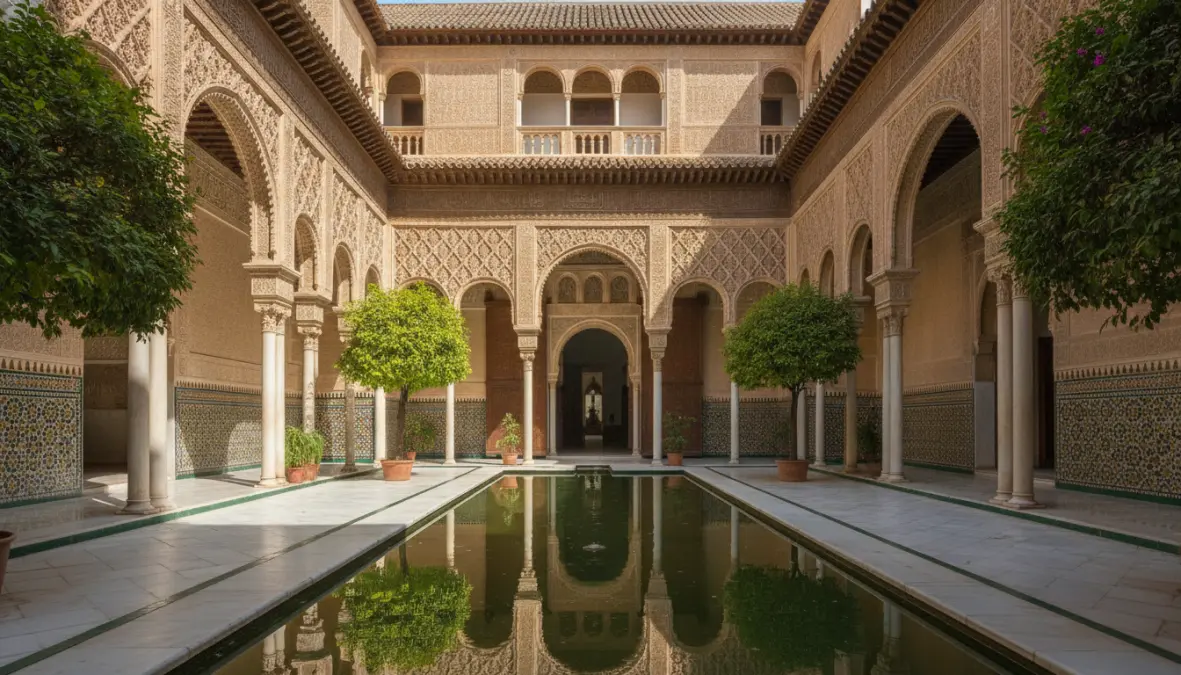
The Alcázar of Seville showcases mudéjar architecture at its finest—Christian kings built this palace using Islamic artisans, creating a hybrid style you won’t find anywhere else. The Patio de las Doncellas stuns with its reflecting pool and intricate stucco work, while the lush gardens offer peacocks, orange trees, and hidden grottos. Game of Thrones fans will recognize the Dorne scenes filmed here. Budget 90 minutes minimum, though you could easily spend two hours. Pro tip: the upper royal apartments require separate tickets but offer spectacular views worth the extra euros.
Wandering Through Barrio Santa Cruz
The former Jewish quarter, Barrio Santa Cruz, is where Seville gets impossibly romantic. Whitewashed buildings draped in bougainvillea line narrow cobblestone alleys barely wide enough for two people. Duck into hidden plazas where locals sip morning coffee, peek through wrought-iron gates at private courtyards with trickling fountains, and snap photos at Plaza de Doña Elvira. No GPS needed here—getting lost is the whole point. Just keep the Giralda tower in sight when you’re ready to navigate out.
Afternoon: Tapas Culture and Cathedral Splendor
By noon, your stomach’s demanding attention. Time for Spanish tapas, and in Seville, Spain, this means proper Andalusian style. Head to the area around Calle Mateos Gago or venture across the river to Triana. El Rinconcillo (since 1670!) serves classic espinacas con garbanzos (spinach with chickpeas) and pringa (slow-cooked pork). At Bodega Santa Cruz, locals crowd the bar for montaditos (small sandwiches) and salmorejo (thick tomato soup). Order carrillada (braised beef cheeks) anywhere you see it. Pro move: one or two tapas per bar, then move to the next—that’s the authentic best tapas bars in Seville crawl.
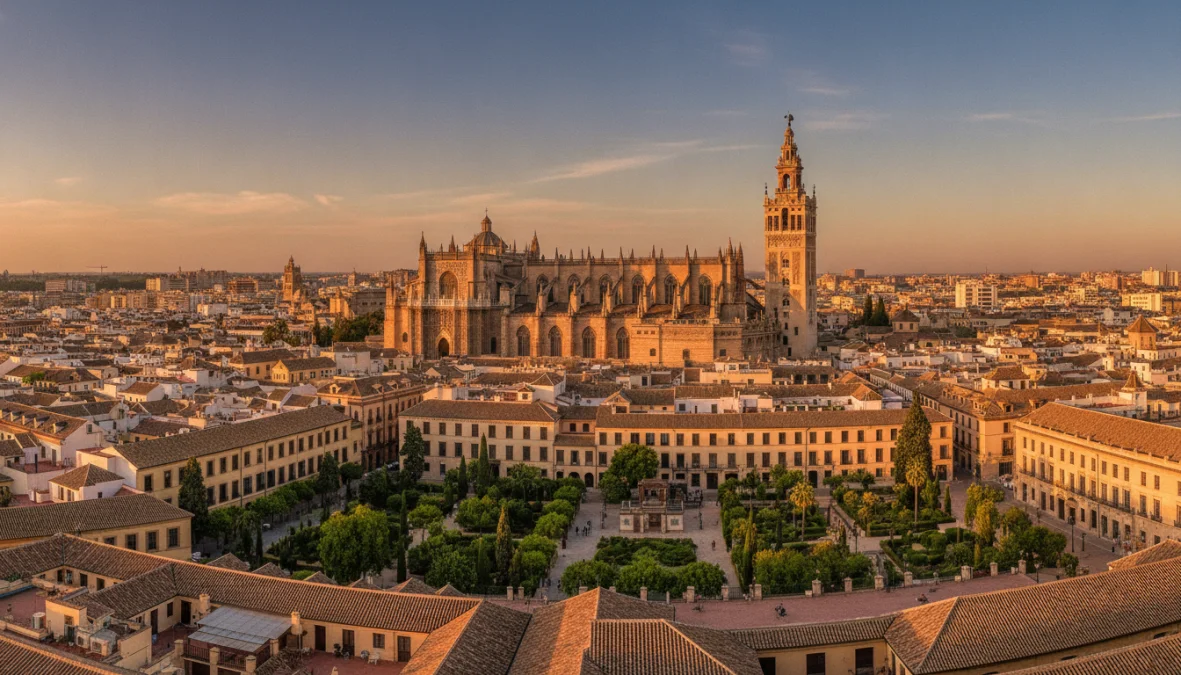
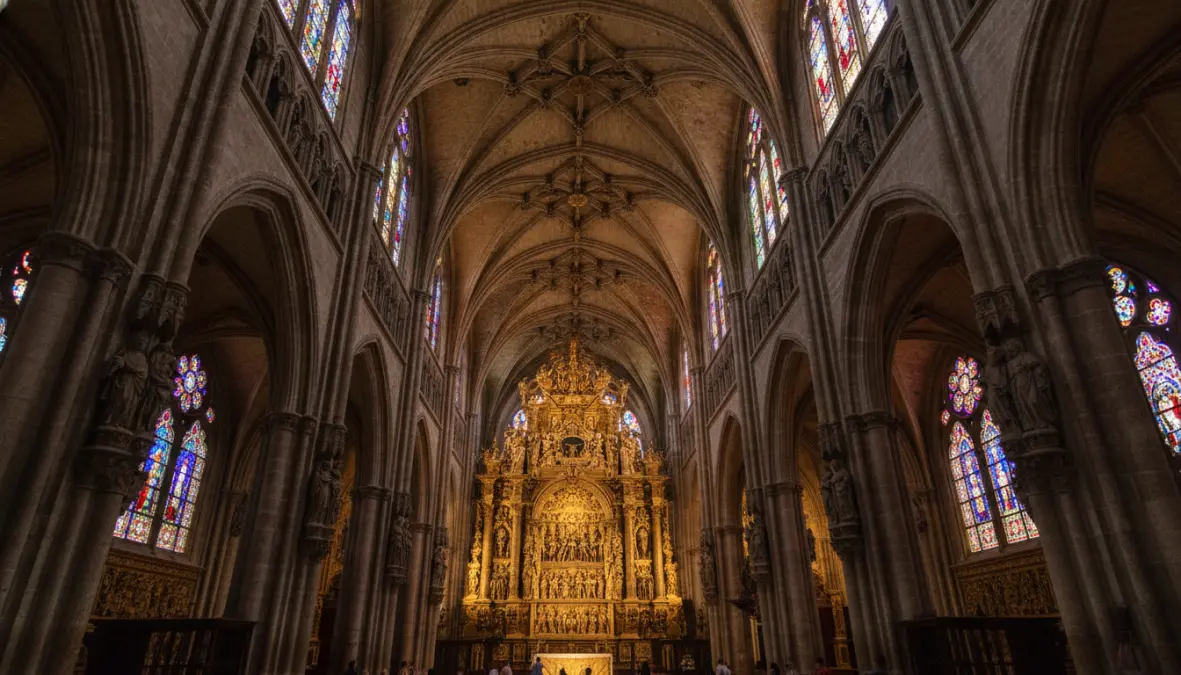
Post-lunch, the Cathedral of Seville awaits. As the world’s largest Gothic cathedral and third-largest church overall, this architectural beast dominates the skyline. Christopher Columbus’s tomb rests inside (well, maybe—historians debate), and the former minaret-turned-bell-tower La Giralda offers panoramic city views after climbing 34 ramps (no stairs!). This is non-negotiable on any seville itinerary. Budget 90 minutes here, including the tower climb. The cathedral’s sheer scale and ornate chapels showcase why Seville was Spain’s gateway to the Americas during the colonial era.
Seville Cathedral and La Giralda Tower
The Giralda Tower stands 104 meters tall, a stunning reminder of Seville’s Islamic past—originally a minaret built in 1198, Christians added the bell tower top after the Reconquista. Inside the cathedral, gold drips from every surface (literally—they used New World gold for much of it). The main altarpiece took 82 years to complete and features over 1,000 carved figures. Climb the Giralda’s ramps (built wide enough for horses) to the bells, where 360-degree views reveal the city’s terracotta rooftops, the Guadalquivir River, and distant Andalusian hills. Time it for late afternoon when the heat mellows and the light turns golden.
Evening: Authentic Flamenco Experience
Here’s where your one day seville guide separates tourists from travelers. Flamenco is Andalusia’s soul—raw, passionate, and deeply rooted in Seville’s gypsy heritage. Skip the massive touristy tablaos charging €60+ for dinner shows with choreographed routines. Instead, book a table at intimate venues like La Carbonería (free entry, drink minimum) or Casa de la Memoria (€18, no food but authentic performances). The Triana neighborhood, across the river, is flamenco’s historical heart—catch shows at small peñas (flamenco clubs) where locals gather.
What makes flamenco authentic? Look for smaller venues (under 100 seats), local audiences actually watching (not just tourists eating), and spontaneous moments where musicians jam between songs. The best performers sweat, cry, and stomp like their lives depend on it—because emotionally, they do. Book ahead for popular spots, but some bars in Triana offer impromptu performances Thursday through Saturday nights. Pair it with a late dinner around 9 or 10 PM (Spaniards eat late), perhaps at Abades Triana for river views, or keep it casual with more tapas at Bar Las Golondrinas in Triana.
As your one day in seville winds down, walk along the Guadalquivir’s illuminated bridges. The Torre del Oro glows honey-colored against the night sky, street performers play guitars on the riverbank, and the day’s accumulated impressions settle into memory. This compact city revealed layers of history, fed you impossibly well, and moved you with art forms centuries old yet urgently alive. Twenty-four hours barely scratches Seville’s surface—but what a glorious scratch it is.
Practical Tips for Your One Day in Seville
Maximize your seville in one day adventure with these practical insights. The airport sits 10km northeast—the EA bus (€4) reaches the city center in 30 minutes, dropping you at Plaza de Armas. Taxis cost around €25. Seville’s compact historic center is best explored on foot; save metro/buses for reaching Triana or the airport.
Best time to visit: Spring (March-May) and fall (September-November) offer perfect temperatures. Summer hits 40°C regularly—brutal for sightseeing. Winter stays mild but can be rainy.
Budget estimate: €15-20 for Alcázar, €10 for Cathedral, €20-30 for tapas lunch, €15-25 for dinner, €15-30 for flamenco. Total: €75-125 depending on choices, plus transportation and drinks.
Essential items: Comfortable walking shoes (cobblestones!), sunscreen and hat (even in winter), reusable water bottle, phone battery pack for photos and navigation.
Time-saving tips: Book Alcázar and Cathedral tickets online with timed entry. Start early—major sites open 9-9:30 AM. Eat lunch at traditional Spanish times (2-4 PM) when restaurants offer better value. Download CityMapper or Google Maps offline. Left luggage available at Santa Justa train station (Locker in the City service) if you’re between destinations.
If you’re fascinated by Andalusian culture and architectural beauty, Seville shares DNA with other stunning European destinations. Check out Best European Cities for Architecture Enthusiasts: Weekend Design Destinations for more inspiration on where to explore next.
One day in Seville proves quality beats quantity every time. You’ve touched ancient Moorish elegance, tasted generations of culinary tradition, and felt flamenco’s heartbeat—all within 24 hours. Not bad for a single day’s work.