One Day in Lisbon: Trams, Tiles, and Tejo River Views

Lisbon is a city that wraps around you like a warm hug, and even if you’ve only got one day in Lisbon, you can still fall head over heels for its charm. Between rattling through narrow streets on vintage trams, gazing at hand-painted tiles that tell centuries-old stories, and watching the sun set over the Tejo River, a single day here can feel like a lifetime of memories. Ready to make every hour count? Let’s dive into the best one day itinerary for lisbon that covers the essential sights without leaving you exhausted.
Morning: Historic Neighborhoods and the Iconic Tram 28
Start your lisbon one day itinerary with the city’s most famous ride: Tram 28. This bright yellow vintage tram squeaks and sways through Lisbon’s historic heart, offering a rolling tour of the Alfama neighborhood and Graça district. The lisbon tram 28 route and stops include some of the city’s most photogenic spots, making it the perfect introduction to what to see in lisbon in one day.
To avoid the tourist crush, catch Tram 28 before 9 AM at either the Martim Moniz or Campo Ourique terminus. You’ll actually get a seat and proper views through the windows instead of being sardined with other travelers. Key stops worth hopping off at include the Sé Cathedral (Lisbon’s oldest church with Romanesque roots), Miradouro de Santa Luzia (a stunning viewpoint with azulejo-covered walls), and the winding streets of Alfama itself, where laundry flutters between buildings like flags of daily life.
A few practical tips: grab a rechargeable Viva Viagem card at any metro station and load it with credit. Individual tram rides cost €3, but a 24-hour transport pass runs about €6.50 and covers all trams, buses, and metros—perfect for your 24 hours in lisbon. If Tram 28 looks impossibly crowded, consider taking Tram 12 to the castle area instead, or simply walk through Alfama’s maze-like streets for a more intimate experience. You’ll stumble upon hidden squares, neighborhood taverns, and locals who’ve lived here for generations.
Discovering Azulejos: Lisbon’s Iconic Tiles
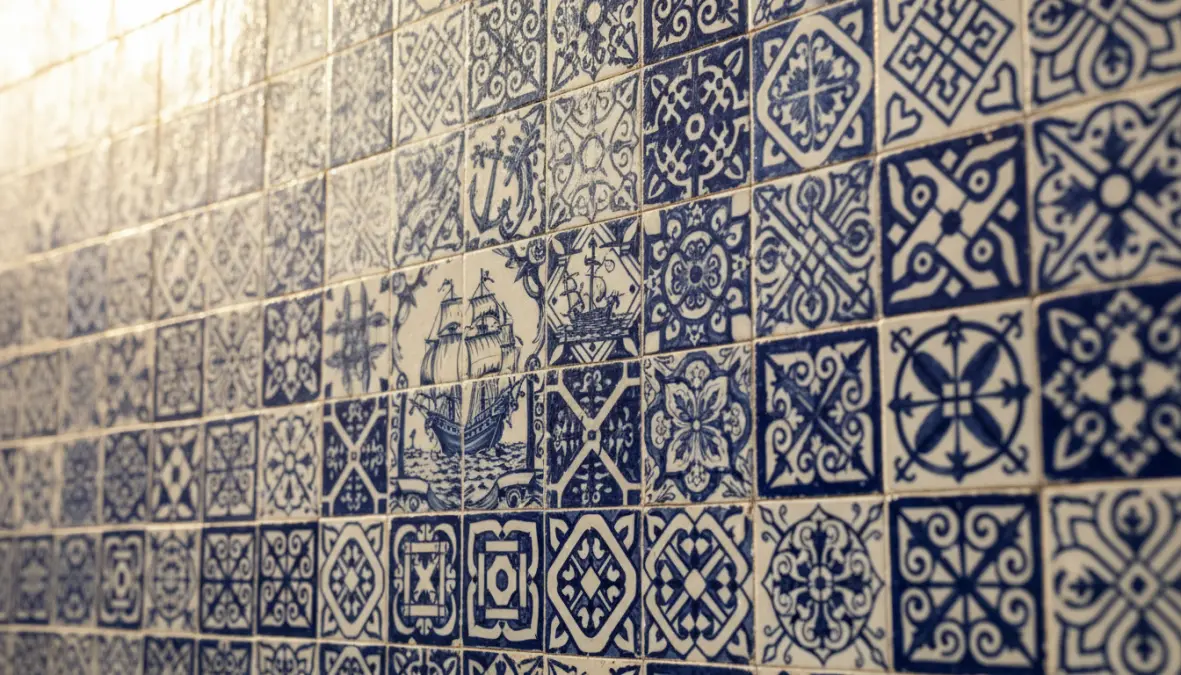
As you ride or walk through the morning, you’ll notice lisbon tiles azulejos everywhere—on building facades, inside churches, even decorating metro stations. These hand-painted ceramic tiles aren’t just decoration; they’re Portugal’s visual diary, depicting everything from religious scenes to geometric patterns that date back to Moorish influence in the 15th century.
For where to see traditional tiles in lisbon, check out the Miradouro de Santa Luzia’s blue-and-white panels depicting pre-earthquake Lisbon, the Sé Cathedral’s interior chapels, and even the walls along the tram route. If you can squeeze in extra time, the National Tile Museum (Museu Nacional do Azulejo) offers a deep dive into this art form, though it’s best saved for a longer visit. Metro stations like Oriente and Marquês de Pombal also showcase contemporary azulejo installations—proof this centuries-old tradition is still thriving.
Afternoon: Downtown Baixa, Chiado, and Tejo River Views
After your morning exploring the hills, descend into Baixa Chiado, Lisbon’s elegant downtown district rebuilt after the devastating 1755 earthquake. The grid-pattern streets here are lined with traditional shops, grand cafés, and the iconic Arco da Rua Augusta that frames Praça do Comércio perfectly.
Speaking of Praça do Comércio, this massive riverside square is your first proper encounter with the Tejo River (also called the Tagus River). The golden-yellow buildings form a horseshoe around the square, which opens directly onto the water. Grab lunch at Time Out Market in nearby Cais do Sodré—a food hall featuring stalls from Lisbon’s top chefs where you can sample everything from grilled octopus to gourmet burgers. Don’t leave without trying pasteis de nata, those custard tarts with caramelized tops that are Portugal’s gift to dessert lovers.
The tejo river lisbon isn’t just a backdrop; it’s the reason Lisbon became a maritime powerhouse during the Age of Discovery. Walk along the waterfront promenade where you’ll see everything from ferries shuttling commuters to cruise ships floating like small cities. For panoramic views, ride the Elevador de Santa Justa—a neo-Gothic elevator that lifts you to a platform overlooking the Baixa rooftops and the river beyond. The best viewpoints of tejo river lisbon combine the city’s terracotta tiles with the water’s shimmering expanse, creating postcard-perfect moments.
This area is perfect for a one day walking tour of lisbon since everything’s relatively compact and pedestrian-friendly. Wander through Chiado’s bookshops and historic cafés (A Brasileira is where poet Fernando Pessoa used to write), then circle back toward the river as afternoon light turns everything golden.
Belém District: Quick Visit or Skip?
Here’s the honest truth about Belém for your lisbon day trip: it’s spectacular, but it’s also 6 kilometers west of central Lisbon. The Belem Tower, Jerónimos Monastery, and the original Pastéis de Belém bakery are absolute highlights, but visiting all three properly eats up 3-4 hours including travel time.
If you’re determined to see these lisbon must see attractions in 24 hours, take the 15E tram from Praça do Comércio early in your afternoon. Prioritize the monastery’s Manueline architecture and grab pastéis at the famous bakery (expect queues, but they move fast). However, if you’d rather maximize time in Lisbon’s historic core, skip Belém entirely. You can get excellent pastéis de nata at Manteigaria in Chiado, and the castle plus miradouros lisbon offer equally impressive architecture and views without the commute.

Evening: Sunset Views and Fado Experience
As your one day in lisbon winds down, head to one of the city’s famous miradouros (viewpoints) for sunset. Miradouro das Portas do Sol in Alfama offers sweeping views of the neighborhood’s tumbling roofs and the Tejo beyond, while Miradouro de São Pedro de Alcântara in Bairro Alto provides a more manicured garden setting with the castle as a backdrop. Both are accessible via short walks or tram rides, and locals gather here with beers and conversation as the sky turns pink and orange.
For dinner, you’ve got two excellent options. Bairro Alto transforms at night into a buzzing district of restaurants and bars spilling onto cobblestone streets—great for energy and people-watching. Alternatively, return to Alfama for a more intimate, traditional atmosphere where how to spend one day in lisbon portugal culminates in the quintessential Portuguese experience: Fado music.
Fado is Lisbon’s soul in musical form—melancholic, haunting songs about longing and fate, usually performed in dimly lit venues. For authentic experiences, look for smaller casas de fado in Alfama rather than tourist-heavy restaurants. Clube de Fado and A Baiuca are both excellent, offering dinner and live performances where singers pour genuine emotion into every note. Expect to pay €25-40 per person including a meal, and remember that silence during performances is deeply respected—this isn’t background music, it’s storytelling.
As your 24 hours in lisbon come to a close, you’ll likely feel both satisfied and wistful. One day barely scratches the surface of this city’s layers, but the tram ride through lisbon historic districts, the shimmering Tejo views, and that soul-stirring Fado melody will stay with you long after you’ve left. And who knows? This might just be the first of many visits to Portugal’s captivating capital.