Best Day Trips from Brussels: Ghent, Antwerp, and Flemish Art Cities
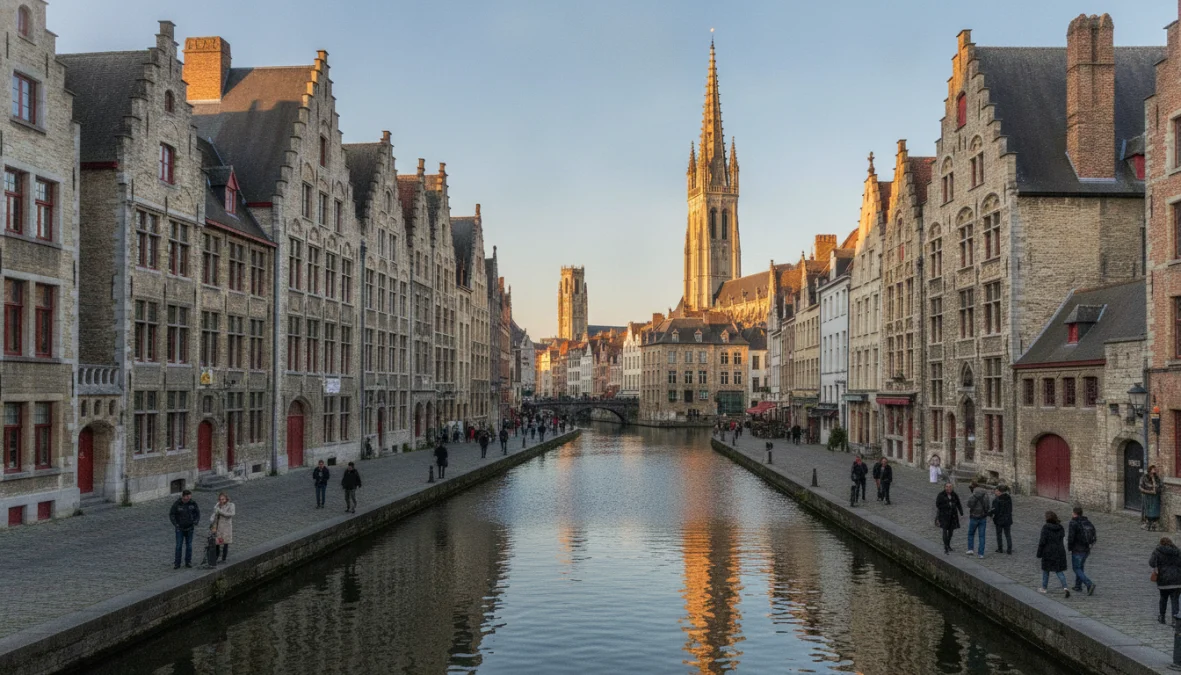
Belgium might be small, but its cultural riches pack a serious punch. And nowhere is this more evident than when you step outside Brussels and explore the stunning Flemish cities scattered within an hour’s train ride from the capital. From the medieval canals of Ghent to the diamond-studded streets of Antwerp, these Belgian cities offer art, architecture, and chocolate aplenty—all without requiring an overnight stay. Whether you’re drawn to the world-class Flemish heritage housed in centuries-old museums or simply want to wander cobblestoned streets that seem frozen in time, day trips from Brussels deliver unforgettable experiences that rival any European destination.
Why Brussels Makes the Perfect Base for Belgian Day Trips
Brussels isn’t just Belgium’s political heart—it’s also the ultimate launching pad for exploring the country’s most captivating Flemish cities near Brussels. Thanks to Belgium’s incredibly efficient rail network, you can reach most major cities in under an hour, making day trips from Brussels by train ridiculously easy and stress-free.
The Belgian train system (SNCB/NMBS) runs like clockwork, with departures every 15-30 minutes to popular destinations. Trains are clean, comfortable, and punctual—a refreshing change if you’ve battled rail delays elsewhere in Europe. The compact distances mean you’ll spend more time exploring Gothic cathedrals and less time staring out train windows. Ghent sits just 30 minutes away, Bruges about an hour, and Antwerp around 45 minutes from Brussels Central Station.
This proximity makes overnight stays unnecessary for most travelers. You can enjoy breakfast in Brussels, spend a full day immersed in medieval architecture and Flemish art, and still return for dinner in the capital. Plus, staying in Brussels gives you access to more accommodation options and dining variety while keeping costs lower than tourist-heavy Bruges. If you’re planning similar European adventures, check out our guides on day trips from Paris or day trips from Amsterdam for comparable train travel experiences.
The Essential Flemish Art Cities: Ghent, Antwerp, and Bruges
These three cities represent the holy trinity of best day trips Belgium has to offer. Each brings its own flavor to the Flemish experience—whether you’re hunting for masterpiece paintings, architectural wonders, or simply the perfect Belgian waffle alongside a canal view.
Ghent: Medieval Charm Meets Student Energy
If you want to know how to visit Ghent from Brussels in one day, the answer is simple: catch a morning train and prepare to fall in love. The Brussels to Ghent day trip takes just 30-35 minutes, delivering you to a city that feels like Bruges’ cooler, less touristy sibling.
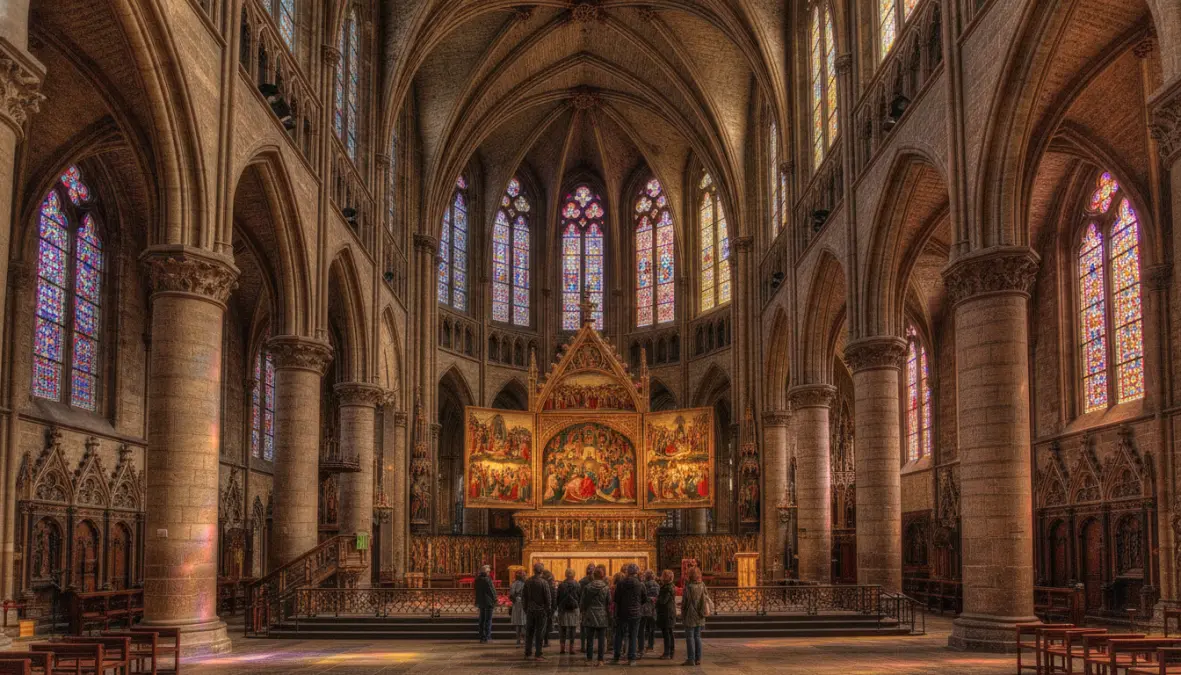
Start at the magnificent Saint Bavo’s Cathedral, home to the Van Eyck brothers’ breathtaking Ghent Altarpiece (also known as the Adoration of the Mystic Lamb). This 15th-century masterpiece alone justifies the trip. Book your timed entry ticket online to avoid queues—it costs around €12.50. From there, walk to the imposing Gravensteen Castle, a genuine medieval fortress complete with torture museum (not for the faint-hearted). The ramparts offer fantastic views over Ghent’s skyline.
Wander along the Graslei and Korenlei canal-side streets, where guild houses create picture-perfect reflections in the water. Ghent’s large student population keeps the city vibrant and affordable, meaning you’ll find excellent lunch spots without tourist-trap pricing. Try waterzooi, a creamy Ghent stew, at one of the restaurants near Sint-Veerleplein square. Budget 6-7 hours for a thorough Ghent exploration, or combine it with Bruges if you’re energetic and efficient.
Antwerp: Fashion, Diamonds, and Baroque Art
The Brussels to Antwerp journey (40-50 minutes) brings you to Belgium’s fashion capital and the world’s diamond trading center. But beyond bling and boutiques, Antwerp houses some of the finest Belgian art museums you’ll encounter.
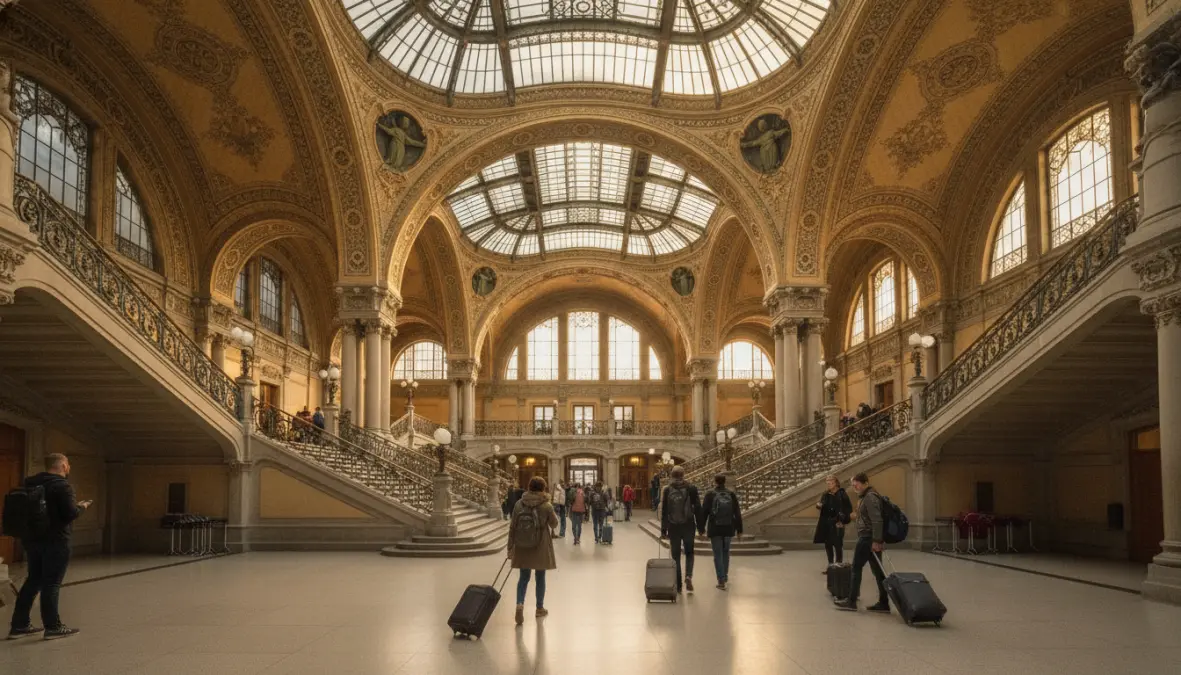
Begin at Antwerp Central Station—seriously, the station itself is an Art Nouveau masterpiece worth photographing. From there, head to the Rubenshuis, the former home and studio of Baroque painter Peter Paul Rubens. The house has been meticulously restored with period furnishings and displays several of the master’s works. Admission runs about €12.
The Museum aan de Stroom (MAS) offers free rooftop access with panoramic city views, while its exhibitions explore Antwerp’s maritime history. Architecture fans shouldn’t miss the Cathedral of Our Lady, one of Belgium’s most impressive Gothic cathedrals, housing four Rubens paintings. Walk through the Diamond District if you’re curious, though actual shopping requires serious budget.
For lunch, the trendy Zuid (South) district serves up everything from Michelin-starred dining to casual Flemish fare. Antwerp rewards a full day of exploration—the blend of contemporary culture and historical depth makes it one of the best Flemish art cities near brussels. A Brussels to Antwerp day trip itinerary should allocate at least 7-8 hours to do the city justice.
Bruges: The Postcard-Perfect Medieval Gem
A Bruges day trip from Brussels takes about 60 minutes and drops you into what feels like a fairytale illustration. Yes, Bruges gets crowded—especially in summer—but there’s a reason it’s Belgium’s most visited city.
The UNESCO-listed historic center revolves around the Markt, dominated by the 83-meter Belfry tower. Climb its 366 steps for commanding views (€12 admission). Nearby, the Basilica of the Holy Blood houses a venerated relic and showcases exquisite medieval architecture. Art lovers must visit the Groeningemuseum for its collection of Flemish Primitives, including works by Jan van Eyck and Hans Memling.
No Bruges visit is complete without a canal boat tour—these 30-minute trips (around €12) offer unique perspectives on the city’s bridges and buildings. Sample Belgian chocolate at one of the many Belgian chocolate shops lining the streets, though prices reflect the tourist trade. For a quieter experience, arrive early (before 10am) or visit on weekdays.
Practical Tips for Day Tripping from Brussels
Making the most of easy day trips from Brussels by train requires minimal planning but a few insider tips. The Belgian rail system operates through the SNCB/NMBS app, where you can purchase tickets on your phone right before departure—no advance booking needed for standard fares. A second-class ticket to Ghent costs around €9.60 one-way, Bruges €15.80, and Antwerp €8.60.
For multiple-city adventures, consider a Go Pass 10 (€59 for 10 trips anywhere in Belgium, under 26 only) or a Rail Pass (€89 for 10 trips, any age). These passes make financial sense if you’re exploring several destinations. For comprehensive information on European rail options, our guide on how to use rail passes for European weekend trips covers the details.
Optimal departure times are between 8:30-9:30am, giving you a full day while avoiding rush hour commuters. Return trains run frequently until late evening, so you’re never stranded. Most one day trips from Brussels work best when you focus on a single city, though combining Ghent and Bruges is doable if you start early and keep moving (depart Brussels by 8am, spend until 1pm in Ghent, then catch the 30-minute train to Bruges for the afternoon).
Pack light—a small backpack with water, snacks, and a portable phone charger suffices. Belgian weather can turn quickly, so layers and a compact umbrella are wise. Download the essential travel apps for navigation and real-time train updates.
Beyond the big three, consider lesser-known gems like Leuven (home to Belgium’s oldest university and stunning town hall), Mechelen (compact medieval center with excellent cathedral), or Lier (charming small town with fewer tourists). These medieval cities near Brussels to visit offer authentic experiences without the crowds.
FAQ
What is the closest day trip from Brussels?
Ghent is the closest major destination at just 30-35 minutes by train. For even shorter trips, Leuven sits only 20 minutes away and offers a beautiful historic center with vibrant student atmosphere.
Can you do Bruges and Ghent in one day?
Yes, but it’s ambitious. Start in Ghent by 9am, explore until 1pm, then catch the direct train to Bruges (30 minutes) for the afternoon. You’ll see highlights of both cities but won’t have time for deep exploration or museum visits.
Is it better to visit Ghent or Bruges from Brussels?
Bruges offers more iconic medieval scenery and is picture-perfect, but gets very crowded. Ghent provides similar architectural beauty with fewer tourists, better value, and a more authentic local atmosphere. First-time visitors often prefer Bruges; repeat travelers tend to favor Ghent.
How much does a train ticket cost from Brussels to these cities?
Standard second-class fares run approximately €9-10 to Ghent, €8-9 to Antwerp, and €15-16 to Bruges (one-way). Prices vary slightly based on departure station. Children under 12 travel free on weekends with a paying adult.
Do I need to book train tickets in advance?
No advance booking is required for domestic Belgian trains. You can purchase tickets via the SNCB app or station machines right before departure. Trains run frequently throughout the day, and seats are not reserved on standard services.
The beauty of Belgium’s compact geography means you can experience multiple centuries of art, architecture, and culture within a single day—all while returning to Brussels for dinner. Whether you’re captivated by Ghent’s student energy, Antwerp’s cosmopolitan flair, or Bruges’ fairytale canals, these Flemish cities prove that sometimes the best adventures happen just down the tracks. So grab a train ticket, leave the car behind, and discover why train travel Belgium might just be Europe’s best-kept secret for seamless day trip exploration.