Best Breakfast in Europe: Where Locals Eat in 8 Major Cities
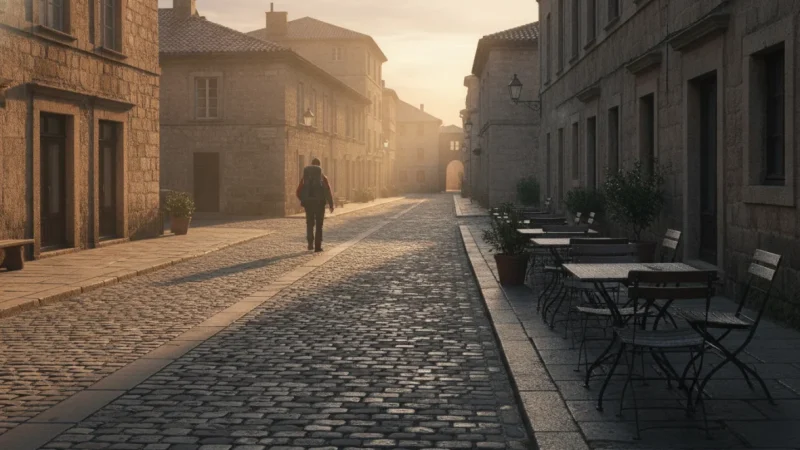
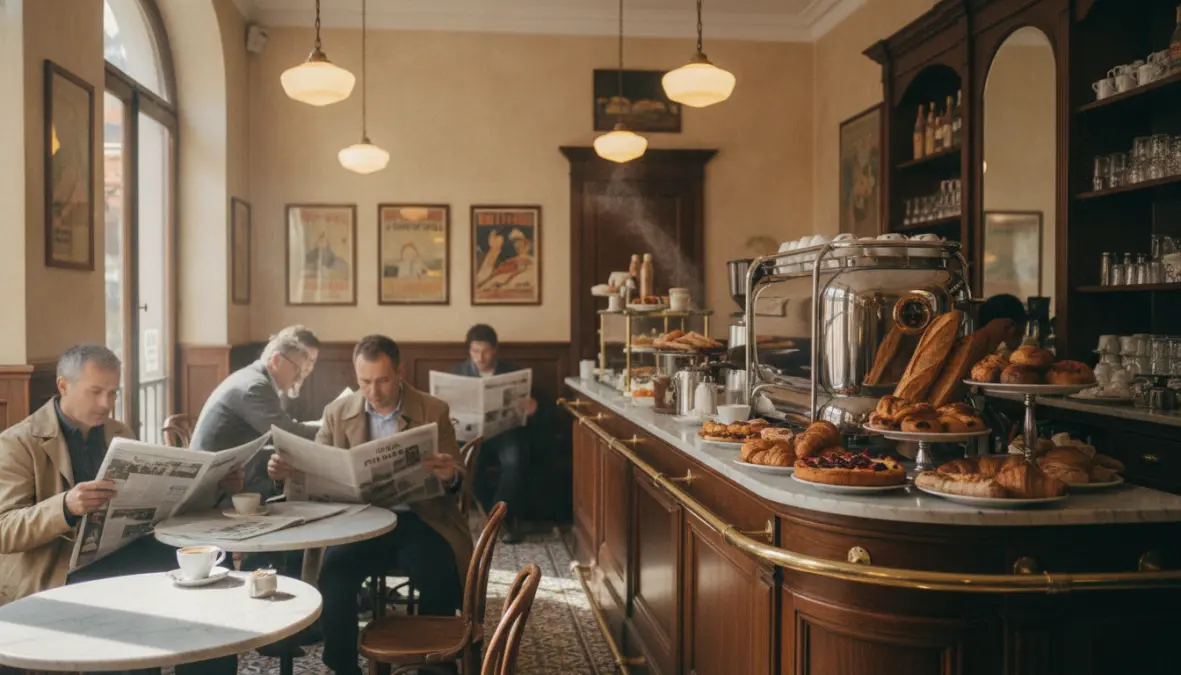
Picture this: you’re wandering through a cobblestone street in Europe, the morning sun just starting to warm the city, and the aroma of fresh pastries pulls you toward a bustling café. If you’re wondering where to find the best breakfast in Europe, you’re not alone. But here’s the secret—the most memorable morning meals aren’t usually found in tourist-trap cafés near major landmarks. They’re tucked away in neighborhood eateries where locals queue up for their daily ritual of coffee, conversation, and comfort food.
European breakfast culture is more than just fuel for the day—it’s a cultural experience that varies wildly from north to south, east to west. Whether you’re after flaky croissants in Paris or hearty rye bread in Copenhagen, knowing where do locals eat breakfast in Europe transforms your trip from ordinary to extraordinary. Let’s dive into the authentic breakfast Europe has to offer, starting with understanding what makes these morning meals so distinctly European.
Why European Breakfast Culture Differs From American Morning Meals
If you’re expecting pancake stacks and bottomless coffee, you might need to recalibrate your breakfast expectations. Traditional European breakfast tends to be lighter, quicker, and deeply tied to local coffee culture. In Mediterranean countries like Italy and Spain, breakfast is often a swift affair—an espresso and a cornetto consumed standing at the bar counter. This isn’t rudeness; it’s ritual. Locals stop by their favorite café on their way to work, exchange pleasantries with the barista who knows their order by heart, and continue their day energized.
The continental breakfast—that hotel buffet staple of pastries, cold cuts, and cheese—actually reflects this lighter European approach, though it’s rarely what locals eat daily. Northern European countries like Denmark and Germany offer heartier morning spreads with dense breads, quality cheeses, and cold meats, while Southern Europe keeps it simple with sweet pastries and strong coffee. Understanding these regional differences helps you appreciate why an authentic breakfast Europe experience looks so different city by city. The key similarity? Mornings move at a slower, more social pace than the grab-and-go culture common elsewhere.

Best Breakfast Cities in Europe: Where Locals Start Their Day
Ready to eat like a European? Here are the best breakfast cities in Europe and exactly where locals recommend you start your morning. These European breakfast spots represent the genuine local food scene—no tourist menus, just quality ingredients and neighborhood charm.
Paris, France: Skip the Champs-Élysées and head to Du Pain et des Idées in the 10th arrondissement. This historic bakery draws queues of Parisians for their legendary pain aux raisins and escargot pistache. Expect to pay €3-5 per pastry, and arrive before 10 AM for the best selection. The atmosphere is authentically Parisian—no frills, just exceptional baked goods that demonstrate why French bakeries and patisseries set the global standard.
Rome, Italy: Romans flock to Roscioli Caffè near Campo de’ Fiori for their morning cornetto and cappuccino ritual. The maritozzo—a soft bun filled with whipped cream—is a local specialty worth the indulgence. At around €4-6 for the combo, it’s an affordable window into Roman coffee culture. Remember: cappuccino is a morning-only drink here, and locals never order it after 11 AM.
Vienna, Austria: Café Hawelka has been serving Viennese since 1939, making it one of the best traditional breakfast spots in Europe off the beaten path. Order the Buchteln (sweet rolls) with coffee and settle into the vintage atmosphere. At €8-12 for breakfast, you’re paying for history as much as food. For something more local and less touristy, try Vollpension, a café staffed by elderly locals serving homemade cakes and traditional Austrian breakfast for €10-15.
Lisbon, Portugal: The locals’ choice is Pastelaria Versailles in Avenida da República, an ornate café serving pastéis de nata and galão (Portugal’s answer to a latte). At €3-5 for breakfast, it’s a bargain for such a spectacular setting. These are among the best local breakfast spots in European cities for combining quality, atmosphere, and authenticity.
Berlin, Germany: Head to Café Anna Blume in Prenzlauer Berg for their famous breakfast platters piled with fresh breads, cheeses, jams, and cold cuts. Popular with creative locals, it’s one of the top brunch destinations in the city. Expect €12-18 per person and possible weekend waits—but that’s the price of discovering where to find authentic European breakfast like a local.
Copenhagen, Denmark: Juno the Bakery in Nørrebro is where Copenhageners queue for cardamom buns and sourdough sandwiches. Danish morning cafes excel at creating hygge—that untranslatable coziness—and Juno delivers it alongside exceptional baked goods for €5-10. For a more budget-friendly option, grab smørrebrød (open-faced sandwiches) from a local bakery.
Madrid, Spain: True madrileños go to Chocolatería San Ginés for churros con chocolate—a decadent breakfast tradition since 1894. At €4-6, it’s an affordable taste of history. For something more substantial, Café Federal in Malasaña offers Australian-style brunch that’s become a favorite among locals seeking hearty culinary experiences.
Amsterdam, Netherlands: Bakers & Roasters in De Pijp serves up Brazilian-Kiwi fusion breakfast that’s become legendary among locals. Think banana bread French toast and flat whites that rival Melbourne’s best. At €10-15, it’s pricier but worth it for one of the hidden breakfast gems in major European cities. For traditional Dutch breakfast, try Dignita Hoftuin for uitsmijter (fried eggs on bread) in a gorgeous garden setting.
Frequently Asked Questions About Breakfast in Europe
What time do Europeans eat breakfast? Breakfast times vary by region, but generally Europeans eat between 7-9 AM on weekdays. Southern Europeans tend toward later mornings (8-10 AM), while Northern Europeans start earlier. Weekend brunch culture, especially in cities like Berlin and Amsterdam, extends this to 11 AM or later.
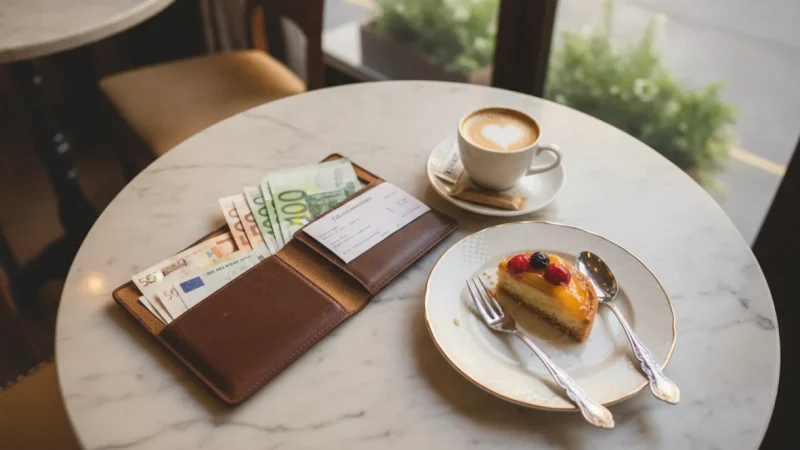
How much does breakfast cost in Europe? A simple café breakfast (coffee and pastry) runs €3-6 in most cities. Sit-down breakfast or brunch ranges €8-18 depending on the city and venue. Northern European cities like Copenhagen and Amsterdam tend to be pricier, while Southern European breakfast remains remarkably affordable.
What is a typical continental breakfast? A traditional continental breakfast includes fresh bread or pastries, butter, jam, sometimes cheese and cold cuts, plus coffee or tea. It originated as a lighter alternative to British or American breakfast, reflecting the European preference for simpler morning meals focused on quality baked goods.
Do I need reservations for breakfast in Europe? Generally no for simple café breakfasts, but popular brunch spots in major cities (especially on weekends) may require reservations or involve waiting. Weekday mornings are usually walk-in friendly at most breakfast cafes Europe offers.
What’s the difference between breakfast in Northern vs Southern Europe? Northern European breakfast tends to be heartier—featuring breads, cheeses, meats, and sometimes warm dishes. Southern European breakfast is typically lighter and sweeter—coffee with pastries or bread, consumed quickly. This reflects both climate and cultural attitudes toward the day’s main meal.
Exploring the best breakfast in Europe means embracing local rhythms and rituals. Whether you’re planning a weekend culinary escape or adding breakfast spots to your solo travel itinerary, these authentic morning experiences offer something hotel buffets never can—a genuine taste of how locals live. So tomorrow morning, skip the all-you-can-eat spread and find that neighborhood café where the barista greets regulars by name. That’s where the real European breakfast magic happens.