European City Pass Comparison: Which Tourist Cards Are Actually Worth It

Standing in front of a museum ticket booth, wallet in hand, you’ve probably wondered: would a city pass actually save me money, or is it just another tourist trap? You’re not alone. Every year, millions of travelers face this dilemma when visiting European cities, trying to figure out if buying an european city pass worth it or if paying individually makes more sense. The truth? It depends entirely on which city you’re visiting, how you travel, and what you actually want to see.
How European City Passes Work: What You Need to Know Before Buying
Before diving into specific city card benefits, let’s break down what these things actually are. An europe tourist pass is essentially a bundled ticket that grants you access to multiple attractions, often with added perks like public transportation included, skip-the-line access, and discounts at restaurants or shops.
Most passes come in two flavors: time-based (valid for 24, 48, or 72 hours) or attraction-based (choose 3, 5, or 7 attractions). Some cities offer both options. The clock typically starts ticking when you first use the pass, not when you buy it, which gives you some flexibility in planning.
Here’s the kicker: which city pass to buy really depends on your travel style. City passes work brilliantly for museum hoppers who plan to hit 3-4 major attractions daily and use public transport extensively. They’re perfect for art lovers planning museum-hopping weekends. But if you’re the type who prefers wandering neighborhoods, sitting in cafés, and soaking up atmosphere? You’ll probably lose money on a pass.
The sweet spot is typically a 2-3 day visit with an ambitious sightseeing agenda. Longer stays rarely benefit from passes since you naturally slow down, while ultra-short trips (one day) often can’t pack in enough attractions to break even. Consider your itinerary carefully before purchasing.
Best European City Cards Compared: Which Ones Deliver Real Value
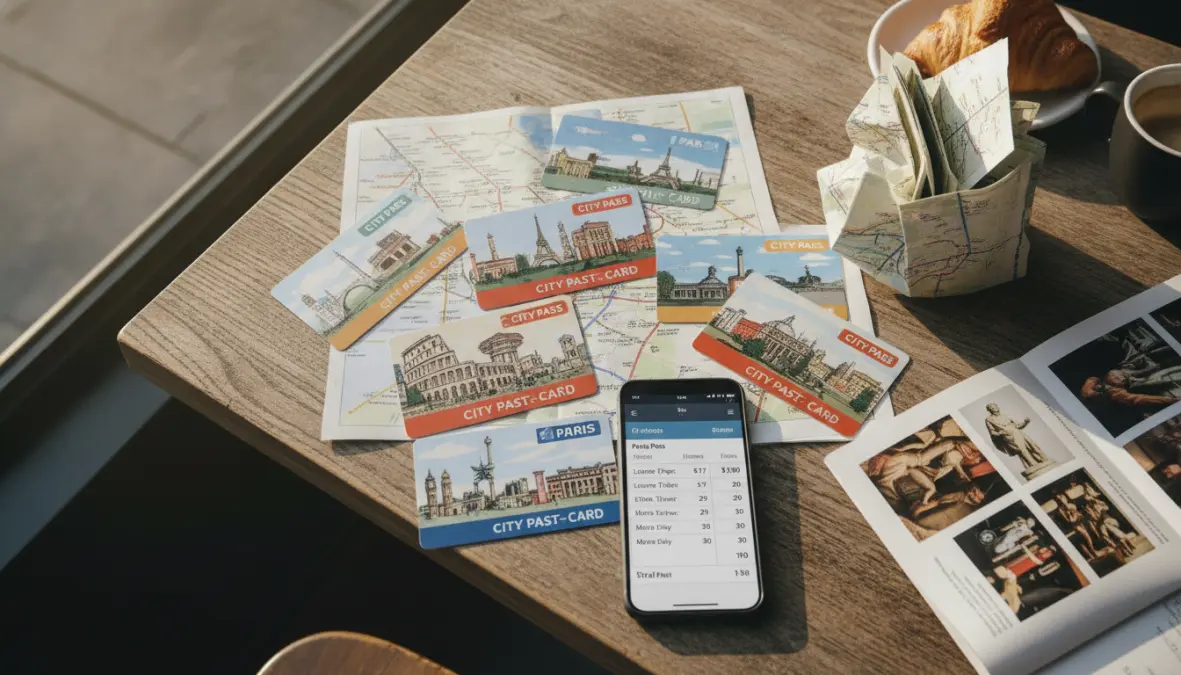
Let’s get into the nitty-gritty with a city pass comparison europe covering the major destinations. I’ve calculated real savings based on typical tourist itineraries, so you can see which passes actually deliver and which ones are overhyped.
Paris Museum Pass (€62 for 2 days): Includes Louvre, Versailles, Orsay, Arc de Triomphe, and 60+ museums. If you visit just Louvre (€22), Versailles (€20), and Orsay (€16), you’ve already saved €6. Add two more museums and you’re saving €30-40. However, no metro included. Verdict: Worth it for culture vultures.
London Pass (£114 for 2 days): Covers Tower of London (£34.80), Westminster Abbey (£27), hop-on-hop-off bus (£40), and 80+ attractions. On paper, you could save £100+. Reality check: London’s massive, and you can’t realistically visit more than 3-4 major sites daily. Most travelers save £20-30 tops. Verdict: Marginal value unless you’re superhuman.
Roma Pass (€32 for 48 hours): Two free admission entries plus discounts on others, metro included. Colosseum (€18) plus Borghese Gallery (€20) already exceeds the cost, plus you get unlimited transport. Simple math makes this a winner. Check out our guide on Rome’s highlights to maximize this pass.
I Amsterdam City Card (€70 for 48 hours): Includes Rijksmuseum (€22.50), Van Gogh Museum (€20), canal cruise (€18), and full public transport. If you hit these three plus use trams for two days (€16), you save about €6.50. Add two more museums and you’re genuinely ahead. Verdict: Decent value for art enthusiasts.
Barcelona Card (€55 for 48 hours): Metro included, but most major attractions (Sagrada Familia, Park Güell) only offer small discounts, not free entry. You’d need to visit 6-7 lesser museums to break even. Verdict: Usually not worth it.
Berlin Welcome Card (€35 for 48 hours): Transport plus discounts (not free entry) on attractions. Since Berlin’s museums are already affordable (€12-18) and many sights are free, the 25% discounts rarely compensate. If you’re planning to explore Berlin’s street art and culture, skip the pass.
Vienna Pass (€94 for 2 days): Hop-on-hop-off bus, Schönbrunn (€20), Hofburg (€15), and 60+ attractions. You could theoretically save €50+, but Vienna’s compact and walkable—do you really need that bus? Math works if you maximize attractions. Verdict: Good for ambitious itineraries.
Prague Card (€62 for 2 days): Castle (€16), transport, bus tour. Prague’s attractions are relatively cheap, making break-even difficult unless you’re museum-obsessed. Verdict: Skip unless you’re visiting 5+ paid sites.
The Winners: City Passes That Actually Save You Money
After crunching the numbers, the best european city cards that consistently deliver tourist card savings are:
Roma Pass: With a 3-day itinerary hitting Colosseum (€18), Borghese Gallery (€20), Capitoline Museums (€16), plus metro for three days (€18), you’re saving about €40 on a €38.50 investment. That’s genuine value, plus you get skip the line access at many sites—priceless during summer.
Paris Museum Pass: A typical 3-day museum lover’s route (Louvre, Versailles, Orsay, Rodin, Orangerie, Arc de Triomphe) totals €104 in admission. The 4-day pass costs €77. That’s €27 saved, plus skipping ticket lines at Versailles alone is worth the price.
I Amsterdam City Card: For a packed 2-day visit (Rijksmuseum, Van Gogh, canal cruise, Hermitage, two tram day passes), you’d spend €92.50 separately versus €70 for the pass. Real savings of €22.50 plus transport convenience.
Skip These: Tourist Cards That Rarely Pay Off
Barcelona Card rarely justifies its cost. A realistic 2-day Barcelona itinerary might include Sagrada Familia (€33—not included, just 10% off), Park Güell (€13—discount only), plus metro (€11.35 for 2 days). Even throwing in 2-3 discounted museums, you’ll struggle to save money. Better to buy attraction tickets individually and a separate T-Casual transport card.
Berlin Welcome Card promises much but delivers little for most visitors. Berlin’s best experiences—East Side Gallery, Reichstag (free), Memorial sites, neighborhood exploration—cost nothing. The 25-30% discounts on paid museums rarely offset the card’s cost unless you’re visiting 5+ attractions. For food-focused trips to Europe’s culinary cities, these passes add no value.
FAQ: European City Pass Questions Answered
Are European city passes worth it for first-time visitors?
Often yes, because first-timers typically pack in more major attractions. The best city pass for first time visitors includes both transport and top museums. Calculate your planned attractions’ individual costs, add transport, and compare. If you’re saving 20%+, go for it.
How do I calculate if a city pass saves money?
List every attraction you genuinely want to visit, look up individual ticket prices, add estimated transport costs. If the total exceeds the pass price by €15-20+, it’s probably worth it. Remember: factor in time saved with skip the line access—that’s worth money too.
Can you use city passes to skip lines?
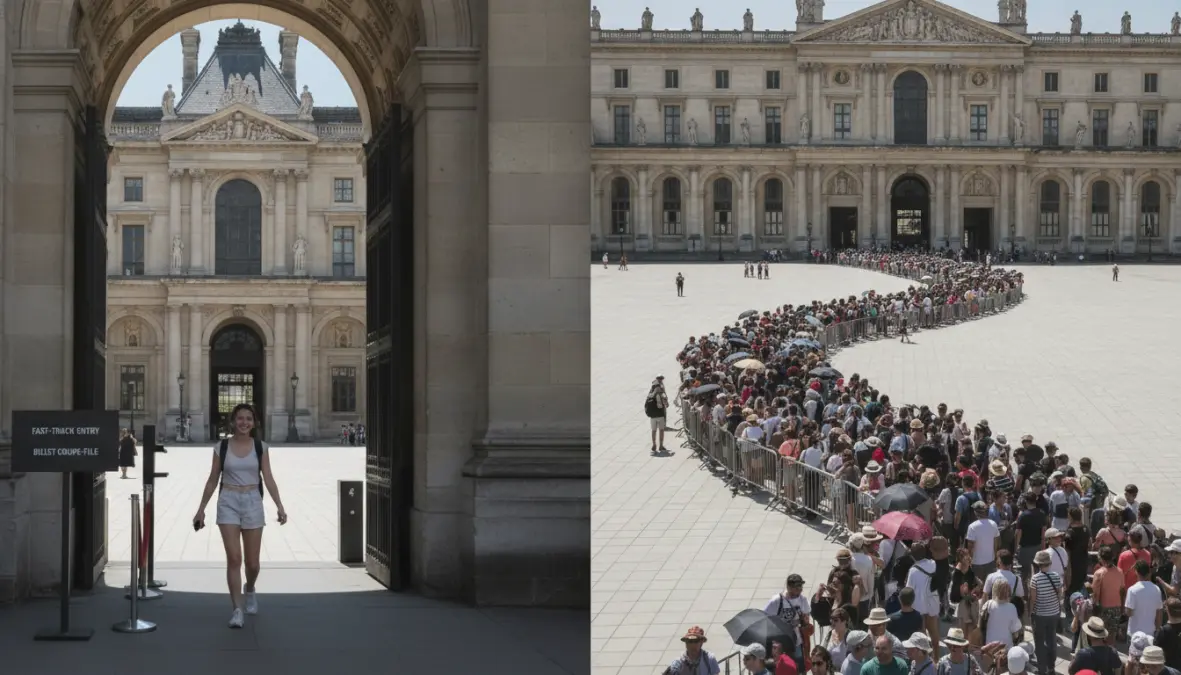
Many top-tier passes offer this benefit, especially in Paris and Rome. London Pass includes fast-track at some attractions. Check specific pass details—this perk alone can justify the cost at ultra-popular sites like the Vatican or Versailles.
Do city passes include airport transfers?
Rarely. Most cover inner-city public transport only. Vienna and Prague passes include some airport options, but always verify. If you’re planning multi-city European weekends, consider separate rail passes for intercity travel.
What happens if it rains or you don’t use all attractions?
You’re out of luck—most passes are non-refundable and time-based, so unused benefits are lost. Build in flexibility and don’t over-commit. If weather looks questionable or you prefer spontaneous exploring, individual tickets might be smarter.
The bottom line on are european city passes worth the money? They’re powerful tools for structured, attraction-heavy trips but terrible value for relaxed, wandering-focused travel. Do the math, be honest about your pace, and remember that sometimes the best experiences—neighborhood strolls, local markets, street art—cost absolutely nothing. Choose wisely, and your wallet will thank you.