One Day in Venice: Canals, Bridges, and Hidden Bacari Beyond St. Mark’s
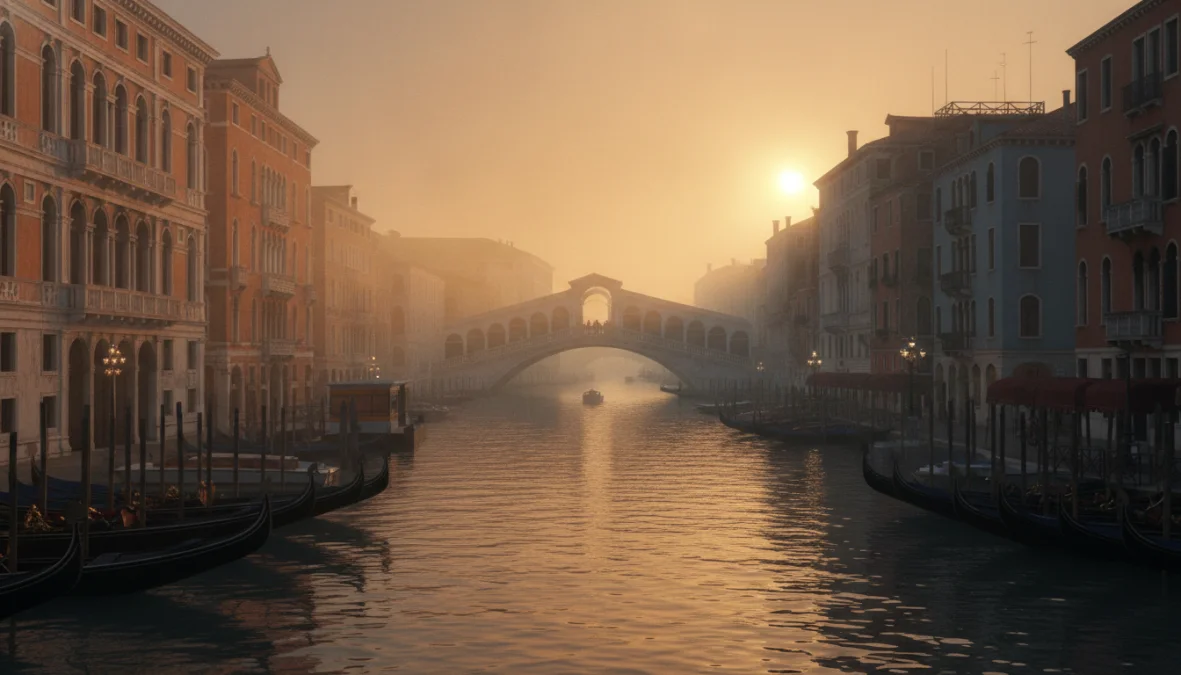
Venice doesn’t wait for anyone. The city rises from the Adriatic like a fever dream of marble and mist, and if you’ve got just one day in Venice, you’ll need to move with purpose while still savoring every calle and canal. Forget the cruise-ship crowds shuffling between St. Mark’s and Rialto—the best way to see Venice in one day is to wake before the city does, eat where Venetians eat, and wander where guidebooks fear to tread. This isn’t about ticking boxes; it’s about feeling the heartbeat of La Serenissima in 24 hours.
Morning: Venice Walking Tour Through Historic Sestieri
Your one day venice itinerary starts at dawn, preferably around 6:30 AM at the Rialto Market. This is when visiting venice in a day transforms from impossible task to genuine experience. The fishmongers are already shouting, glistening seafood arranged like baroque still lifes, while produce vendors stack artichokes and radicchio with the care of museum curators. Grab an espresso at a corner bar where the barista doesn’t speak English—you’re already winning.
Cross the Rialto Bridge before 8 AM, when you can actually breathe and photograph without elbows in your ribs. From here, your venice walking tour leads into San Polo, Venice’s smallest sestiere packed with architectural treasures. Make your way to the Basilica dei Frari, a Gothic wonder housing Titian masterpieces, then continue to Scuola Grande di San Rocco, where Tintoretto’s paintings cover every surface in what’s essentially a 16th-century Sistine Chapel. Pro tip: buy the combined ticket (around €18) that includes both sites plus Palazzo Mocenigo—you’ll save money and skip separate queues.
By 9:30 AM, shift toward the Dorsoduro neighborhood, Venice’s artsy, student-filled sestiere that feels refreshingly real. The crowds haven’t discovered this part yet, making it perfect for your morning exploration. Similar to exploring hidden spots in Rome, Venice rewards those who venture beyond the obvious attractions.
Hidden Stops Before the Crowds Arrive
Campo Santa Margherita is where Venetian students nurse hangovers over cappuccinos—sit at an outdoor table and watch the neighborhood wake up. Then navigate to Libreria Acqua Alta, the famously flooded bookshop where books sit in bathtubs and gondolas (yes, it’s Instagram-famous now, but still charming at 10 AM before the selfie brigades). The real magic lies in simply getting lost: turn down random calli (alleyways), cross unnamed bridges, and when you reach a canal without a bridge, use a gondola traghetto—these standing-room gondola ferries cost just €2 and give you that gondola experience without the €80-100 price tag. You’ll cross the Grand Canal like a local, and frankly, that’s worth more than any staged photo op.
Afternoon: St. Mark’s Square and Beyond the Tourist Trail
By 11 AM, it’s time to face the inevitable: St. Mark’s Square. But here’s how to maximize your 24 hours in venice without wasting half of it in queues. Book skip-the-line tickets online for both St. Mark’s Basilica and Doge’s Palace—it’s non-negotiable if you’re on a venice day trip. The Basilica’s golden mosaics gleam like nothing else in Europe, while the Doge’s Palace reveals the intricate machinery of Venetian power through ornate chambers and the infamous Bridge of Sighs.
If you have time, ascend the Campanile (€10) for sweeping views across the venetian lagoon—but here’s where most tourists make their mistake. They loop back through the same congested streets. Instead, head east into Castello, Venice’s largest and least touristy sestiere. Via Garibaldi is a wide, tree-lined street (rare in Venice!) where locals do their shopping. Continue to the Giardini della Biennale and the Arsenale, Venice’s ancient shipyards that once built an empire’s navy. This area feels almost suburban by Venetian standards—quiet, authentic, utterly removed from the Piazza San Marco chaos just 15 minutes away.
The things to do venice one day list shouldn’t just be monuments—it should be moments. And the moment you step into a proper bacaro for lunch defines your entire Venetian experience. For more tips on making the most of short European city visits, check out our guide to spending one day in Amsterdam.
The Bacari Experience: Lunch Like a Venetian
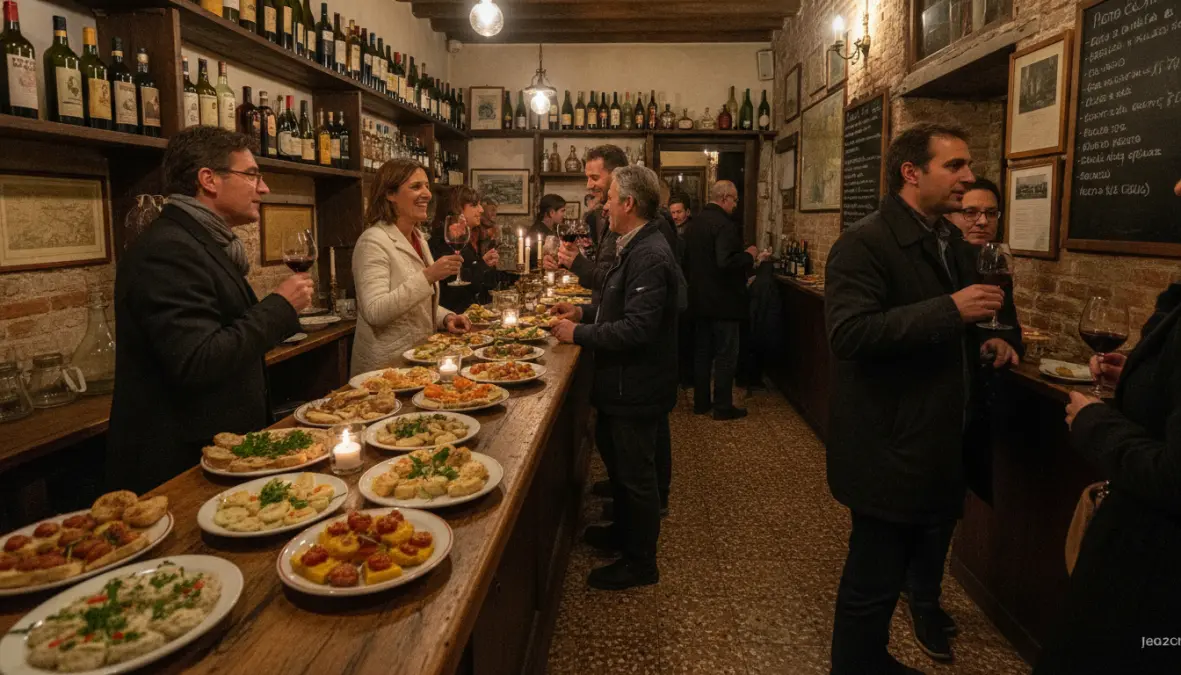
Bacari are Venice’s answer to tapas bars—informal wine spots serving cicchetti (small snacks) and local wines by the glass. The etiquette is simple: stand at the bar, point at what looks good (baccalà mantecato on toast, sarde in saor, polpette), order an ombra (small glass of wine), and eat standing up. The best bacari in venice for lunch hide in residential areas: try All’Arco near Rialto (tiny, legendary, closes when food runs out), Cantina Do Spade for history and atmosphere, or Al Timon in Cannaregio along the canal. Avoid anywhere with laminated menus in five languages—that’s your red flag. A proper bacaro lunch costs €10-15 and tastes better than any €40 tourist menu.
Evening: Sunset Bridges and Aperitivo Spots
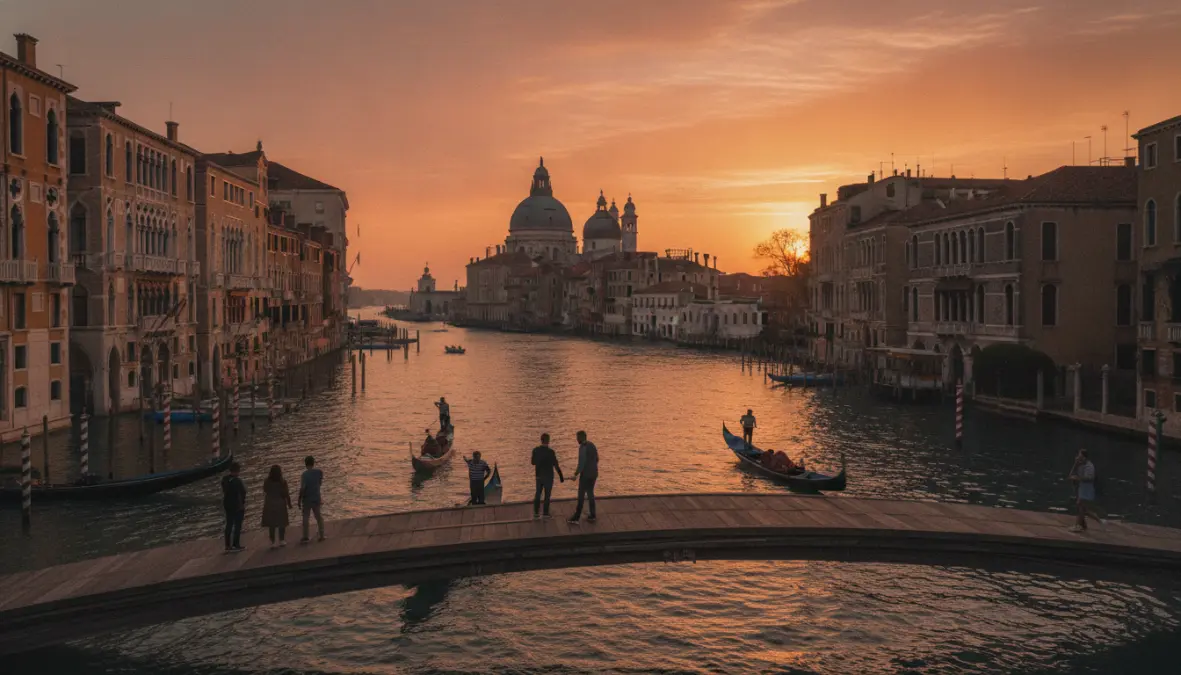
As your one day in venice winds down, position yourself for the magic hour. The Ponte dell’Accademia offers iconic sunset views of the Grand Canal and Santa Maria della Salute’s domes glowing golden. Alternatively, walk along Fondamenta delle Zattere on Dorsoduro’s southern edge—it’s wider, less crowded, and the light across the Giudecca Canal is painterly perfection.
For aperitivo, skip St. Mark’s Square’s €20 Aperol spritzes and head to Cannaregio. This northern sestiere has the best canal-side bars where locals actually drink. Order a spritz aperitivo—Aperol, Campari, or the superior Select—and settle in as the city shifts from tourist mode to local life. Venetian wine bars like Un Mondo DiVino or Al Timon (yes, again—it transforms at night) offer the perfect blend of atmosphere and authenticity.
Dinner deserves a proper osteria: Osteria al Ponte in Cannaregio or Antiche Carampane in San Polo serve traditional Venetian cuisine (think squid ink pasta, fresh seafood, tiramisu that’ll ruin you for all other versions). Expect to pay €30-50 for a full meal with wine—worth every euro when you’re venice in one day.
End your evening with a final walk when the day-trippers have departed. Venice after 9 PM belongs to residents and smart travelers. If you’re catching a late train, take vaporetto Line 1 down the Grand Canal at night—it’s the city’s most affordable and magical finale, palazzos lit up, gondoliers singing in the distance, water lapping against marble steps that have stood for centuries.
FAQ: Planning Your Venice Day Trip
Is one day enough for Venice?
Honestly? No—but it’s enough to fall in love. You’ll see the highlights, taste the food, and walk enough bridges to understand why this city is singular. Just know you’ll be planning your return before you leave.
What’s the best time to start your venice day trip?
As early as humanly possible. The 6-8 AM window is when Venice belongs to Venetians. Markets are fresh, light is soft, and you can actually hear your footsteps on the stones.
When is Venice least crowded?
Early morning, late evening, and November through March (excluding Carnevale). Midday in summer is shoulder-to-shoulder chaos—plan accordingly.
Do I need to book tickets in advance for a one day venice itinerary?
Yes, for St. Mark’s Basilica and Doge’s Palace. Everything else is manageable, but those two will eat hours of your day if you queue on-site.
Can I see Venice without paying entrance fees?
Absolutely. Churches (except St. Mark’s), bridges, markets, and simply wandering the venice canals and bridges costs nothing. Add a €7.50 vaporetto day pass and you’ve got incredible access for minimal cost.
How much does a day in Venice cost?
Budget €80-150 depending on your choices: €25 for attractions, €20-40 for food if you eat at bacari, €7.50 for transport, and the rest for that inevitable gelato and spritz. It’s pricier than a weekend in Bruges, but the experience justifies it.
Venice in 24 hours isn’t about seeing everything—it’s about feeling something. Let the city surprise you, get lost on purpose, and eat standing up at a bar where nobody speaks your language. That’s when you’ll understand why people have been falling for this impossible floating city for over a thousand years. And if you’re planning more European adventures, don’t forget to download essential offline travel apps to navigate without burning through data roaming charges.