Best Spanish Coastal Towns Beyond Barcelona: Costa Brava Hidden Gems Worth Discovering
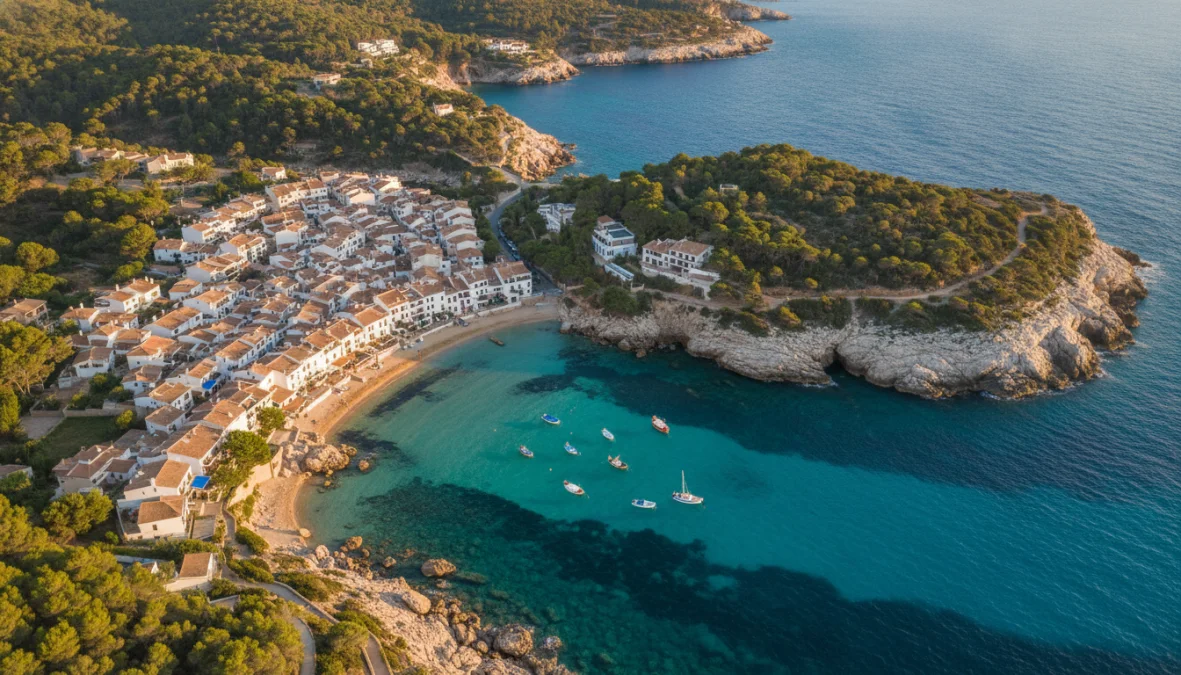
Barcelona steals the spotlight, but the real magic of Catalonia’s coastline lies just beyond the city limits. While tourists crowd the urban beaches, a string of spanish coastal towns along the Costa Brava offers something far more enchanting: whitewashed houses clinging to rocky cliffs, crystal clear waters lapping against hidden coves, and medieval streets where locals still outnumber visitors. This isn’t the Spain of package tours and beach resorts—it’s the authentic Mediterranean experience you’ve been searching for.
Why Costa Brava Towns Deserve Your Attention
The Costa Brava—literally “Wild Coast”—stretches roughly 200 kilometers from Blanes, just north of Barcelona, to the French border. Unlike the overdeveloped southern costas, these mediterranean towns spain has to offer maintain their character thanks to rocky terrain that prevented mass construction. The result? Costa brava towns that look much like they did half a century ago, with family-run seafood restaurants, working fishing boats, and beaches you might have entirely to yourself outside peak season.
Visit between May and June or September and October for the sweet spot: warm swimming weather, manageable crowds, and prices that won’t make you wince. These shoulder months showcase the Costa Brava at its finest, when you can actually experience the laid-back rhythm of spanish seaside towns rather than fighting for beach space. The experience here centers on simple pleasures—morning swims in secluded coves, long lunches at waterfront terraces, evening strolls through medieval lanes—and the satisfaction of discovering places most travelers never find.
Must-Visit Catalonia Coastal Villages
Charming Fishing Villages with Authentic Character
Calella de Palafrugell remains one of the most authentic fishing villages on the Costa Brava, where traditional fishing boats still rest on the beach and the scent of grilled sardines wafts from family-run restaurants. The town curves around a series of small beaches connected by a coastal path, with whitewashed houses creating the quintessential Mediterranean postcard. Head to Cap Roig Botanical Gardens just south of town for stunning clifftop views, or time your visit for the famous habaneras festival in July, when locals sing traditional sea shanties while sipping cremat (flaming rum coffee).
Further north, Cadaqués captivated Salvador Dalí for good reason. This brilliantly white village tumbles down hillsides to a picturesque bay, its labyrinth of narrow streets virtually unchanged since the artist’s era. While it’s become better known than some costa brava villages, it retains authenticity thanks to difficult road access that discourages day-trippers. The walk to Sant Baldiri hermitage rewards with panoramic coastal views, and the small rocky coves around town offer swimming spots away from the main beach. Just outside town, the Dalí House-Museum in Port Lligat provides insight into the artist’s eccentric world.
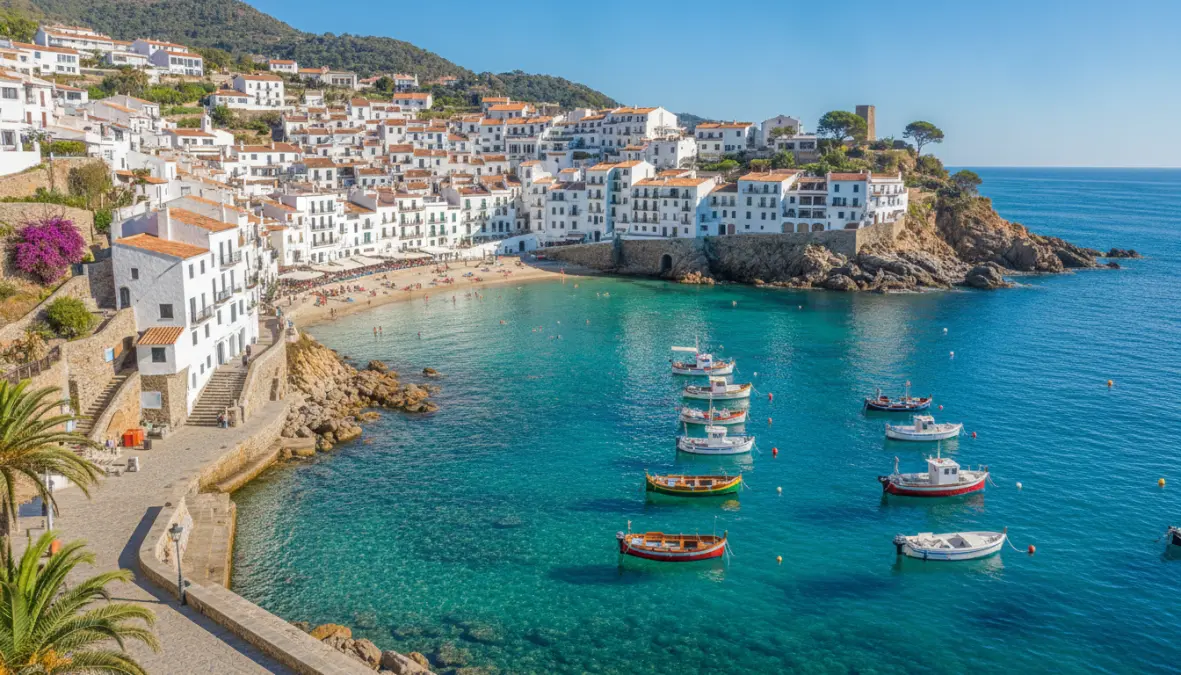
For those seeking quieter alternatives to barcelona beaches, Tamariu delivers understated charm. This tiny cove village consists of little more than a horseshoe beach, a handful of hotels, and excellent seafood restaurants. There’s not much to “do” here—which is precisely the point. It’s where Barcelona families have been escaping for generations, parking themselves at the same beach restaurant table year after year. The adjacent town of Llafranc offers similar appeal with slightly more amenities, plus the spectacular Far de Sant Sebastià lighthouse walk, where you can hike to a clifftop lighthouse with a restaurant boasting some of the coast’s best sunset views.
Medieval Hilltop Villages Near the Coast
The beauty of this region is that you can combine beach time with cultural exploration. Pals, just a few kilometers inland, is a perfectly preserved medieval village where golden stone buildings and cobbled streets transport you to another era. Unlike many catalonia coastal villages, Pals sits on a hill overlooking rice fields and the sea beyond, offering a completely different perspective on the region. Wander the Gothic Quarter, climb the Torre de les Hores tower for panoramic views, and don’t leave without trying local rice dishes—the surrounding fields produce some of Catalonia’s finest.
Begur combines medieval charm with beach access, making it one of the best costa brava towns to visit for those wanting variety. The castle ruins crowning the hilltop town provide sweeping coastal vistas, while eight beaches lie within the municipality—from easy-access family spots to hidden coves requiring scrambles down rocky paths. The town itself charms with Indian-style mansions built by locals who made fortunes in Cuba, creating an unexpected architectural twist among the medieval architecture and stone houses.
Hidden Beaches and Secluded Coves Along the Spanish Coast
The Costa Brava’s greatest treasures are its hidden beaches spain offers to those willing to walk a bit. Cala Sa Tuna, near Begur, exemplifies this perfectly—a narrow inlet of impossibly turquoise water flanked by pine-covered cliffs and traditional fishing huts. The tiny beach fills quickly on summer weekends, but arrive before 10am or after 4pm and you’ll likely share it with just a handful of swimmers. Park at the small lot above and walk down the access path; there’s a simple restaurant serving fresh seafood with tables overlooking the cove.
Aiguablava translates to “blue water,” and the name doesn’t lie. This stunning bay near Begur features crystalline waters in impossible shades of turquoise and blue, backed by umbrella pines and luxury villas discreetly tucked into hillsides. While more developed than some rocky coves, it maintains elegance rather than tackiness. The Parador hotel restaurant offers upscale dining with spectacular views, while the beach itself provides excellent snorkeling along the rocky edges.
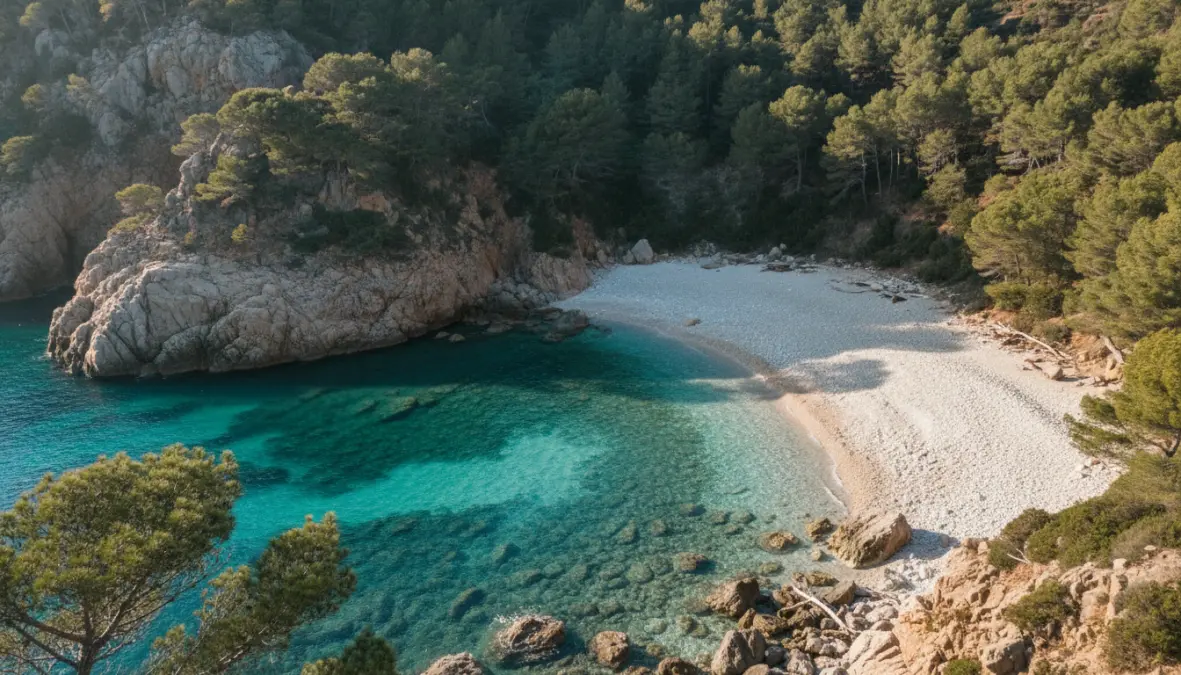
For true adventurers seeking costa brava off the beaten path experiences, Cala Estreta between Palamós and Calella requires a 20-minute walk through pine forest, which keeps crowds minimal even in August. The effort rewards with a pristine pebble beach in a dramatic narrow inlet. Pack everything you need—there are no facilities—and bring water shoes as entry is rocky. Similarly, Platja del Castell near Palamós hides below the medieval castle of Cap Roig, accessible via steps from the botanical gardens or a short boat ride from Calella. The combination of history, gardens, and secluded swimming makes this one of the region’s most special spots.
Smart planning enhances these beach experiences: weekdays beat weekends, mornings and late afternoons mean fewer people, and parking fills early at popular coves. Bring reef-safe sunscreen, plenty of water, snorkeling gear to explore the rocky underwater landscapes, and sturdy shoes if accessing beaches via coastal hiking trails. Many hidden coves lack shade, so an umbrella or beach tent proves invaluable during midday hours.
If you’re based in Barcelona and considering a day trip to explore these charming seaside villages catalonia offers, check out this guide on best day trips from Barcelona by train to understand your transport options. For more options beyond the Costa Brava, this article on hidden coastal towns near Barcelona expands your Mediterranean possibilities.
Frequently Asked Questions
What is the prettiest coastal town in Spain?
While beauty is subjective, Cadaqués consistently ranks among Spain’s most stunning coastal towns with its brilliant white houses, artistic heritage, and dramatic rocky coastline. Calella de Palafrugell offers equally captivating traditional fishing village charm with excellent restaurants and accessible beaches.
Which Costa Brava town is best for a quiet holiday?
Tamariu offers the quietest experience—essentially just a beautiful cove, a few hotels, and restaurants without nightlife or major attractions. For slightly more amenities while maintaining tranquility, consider Llafranc or the smaller beaches around Begur outside peak summer weeks.
How do I get to Costa Brava villages from Barcelona?
Direct buses run from Barcelona to larger towns like Cadaqués, Palafrugell (for Calella and Tamariu), and Begur, though service can be limited. Renting a car provides far more flexibility for exploring multiple villages and accessing hidden beaches, with most destinations 90-120 minutes from Barcelona.
When is the best time to visit Costa Brava towns?
May-June and September-October offer ideal conditions: warm swimming temperatures, manageable crowds, open restaurants and hotels, and reasonable prices. July-August brings crowds and heat, while many establishments close November through March, though the region’s mild climate makes spring particularly appealing.
Are Costa Brava beaches better than Costa del Sol?
The Costa Brava offers dramatically different appeal—rocky coves with crystal-clear water, pine-backed beaches, and undeveloped coastline versus the Costa del Sol’s sandy beaches and resort infrastructure. Costa Brava suits those seeking natural beauty and authentic villages, while Costa del Sol caters to traditional beach resort preferences.
The undiscovered spanish coast still exists, and it’s closer to Barcelona than you think. These authentic spanish coastal towns and small fishing villages costa brava preserves offer the Mediterranean experience many travelers assume disappeared decades ago. Whether you’re seeking hidden coves for solitary swimming, medieval streets for evening wandering, or simply a table at a family-run restaurant where the catch was landed that morning, the Costa Brava’s lesser-known villages deliver. Skip the crowds, rent a car, and discover why locals have been guarding these secrets for generations. Much like exploring Portuguese coastal towns beyond the main cities or Italian hill towns in Tuscany, the real magic lies in the places just off the main tourist trail.