Best Lakeside Towns in Switzerland: Lucerne, Montreux, and Alpine Water Escapes
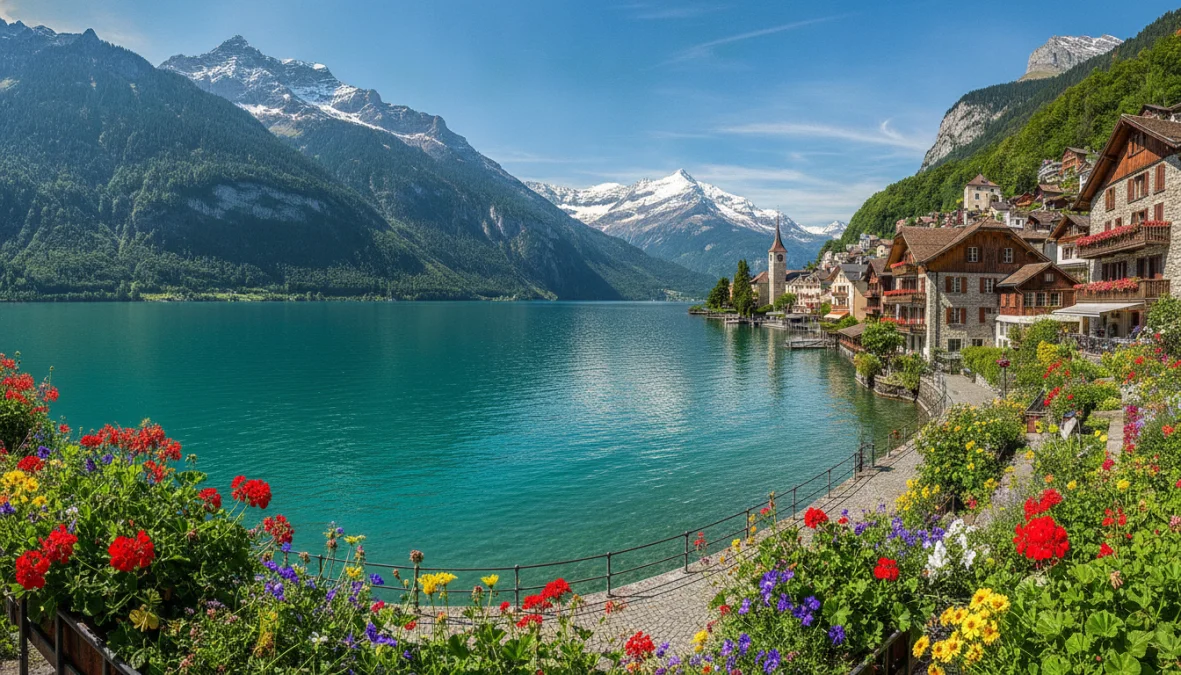
Picture this: you’re sipping a cappuccino at a waterfront café, watching swans glide across mirror-like waters while snow-capped Alpine peaks frame the horizon. This isn’t a dream—it’s just another morning in Switzerland’s enchanting swiss lakeside towns. From the medieval charm of Lucerne to the Belle Époque elegance of Montreux, these waterfront destinations offer the perfect blend of natural beauty, cultural richness, and that unmistakable Swiss sophistication. Whether you’re planning a romantic escape or seeking outdoor adventures against breathtaking mountain lake scenery, Switzerland’s lakeside gems promise unforgettable experiences year-round.
Lucerne: Where Medieval Charm Meets Lake Lucerne’s Crystal Waters
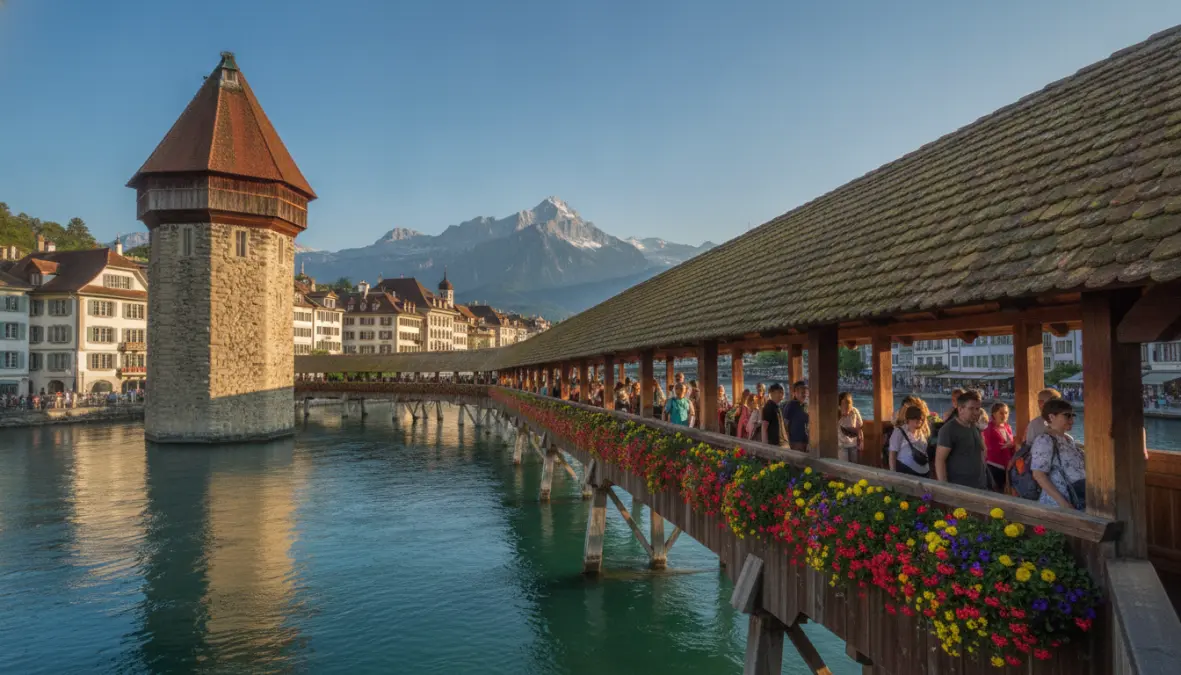
If there’s one destination that captures the essence of swiss lakeside towns, it’s Lucerne. Nestled at the northwestern tip of Lake Lucerne, this medieval city seamlessly blends historic architecture with stunning alpine waterfront views. The iconic Chapel Bridge (Kapellbrücke), dating back to 1333, stretches across the Reuss River with its distinctive water tower—it’s the oldest wooden covered bridge in Europe and an absolute must-see for any visitor.
Walking along the Lucerne lakeside promenade, you’ll discover why this is considered one of the most beautiful lakeside towns in Switzerland. The waterfront path offers spectacular panoramas of Mount Pilatus and Mount Rigi, their peaks often dusted with snow even in summer. The Old Town (Altstadt) features colorful frescoed buildings, cobblestone squares, and charming boutiques that transport you straight back to medieval times.
Boat excursions on Lake Lucerne are essential—vintage paddle steamers cruise to surrounding Lake Lucerne villages like Weggis and Vitznau, both offering quieter alternatives with equally stunning mountain lake scenery. Weggis, known as the “Riviera of Central Switzerland,” enjoys a microclimate that allows palm trees to flourish, while Vitznau serves as the base station for the cogwheel railway to Mount Rigi. The best time to visit Lucerne and Montreux is between May and September when the weather is warmest and waterfront activities are in full swing, though the Christmas markets make December magical too.
For those seeking lakeside hiking trails, the Swiss Path (Weg der Schweiz) circles the entire lake, offering 35 kilometers of stunning vistas. If you’re interested in exploring more European lake destinations, check out these lake district weekend getaways in Europe for additional inspiration.
Montreux and Lake Geneva’s Riviera: Sophisticated Alpine Waterfront Living
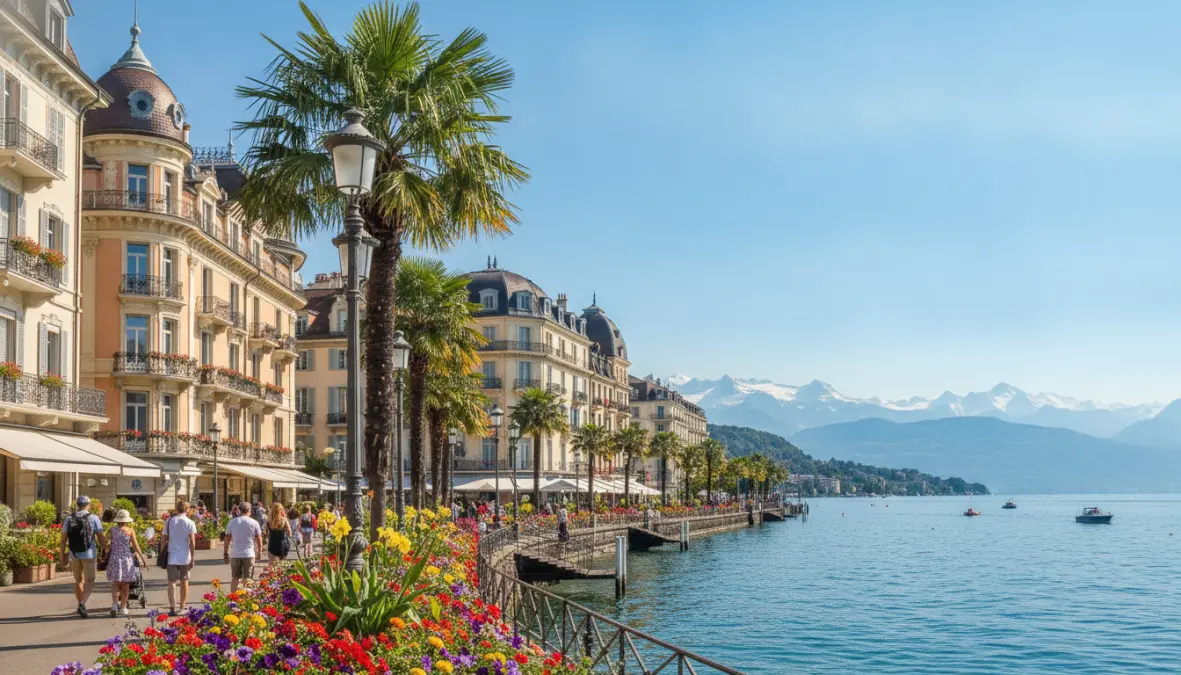
Shift westward to Lake Geneva, and the atmosphere transforms entirely. Montreux Switzerland epitomizes refined lakeside living with a distinctly Mediterranean flair—quite different from Lucerne’s Alpine character. Palm trees line the famous Lake Promenade, flowers bloom year-round thanks to the mild microclimate, and the Belle Époque architecture speaks to a glamorous past when European aristocracy made this their playground.
The Swiss Riviera, as this stretch of Lake Geneva towns is known, combines swiss alpine lakes beauty with cosmopolitan sophistication. Montreux has hosted everyone from Hemingway to Freddie Mercury (whose statue now graces the waterfront), and the legendary Montreux Jazz Festival every July draws music lovers from around the globe. This cultural vibrancy makes it one of the best Swiss lake destinations for those seeking more than just natural beauty.
Montreux’s Lakeside Highlights
Start your Montreux exploration along the 10-kilometer flower-lined promenade stretching from Villeneuve to Vevey. The Château de Chillon, a medieval fortress jutting into the lake just south of town, ranks among Switzerland’s most visited historic sites—its dungeons once imprisoned Genevese monk François Bonivard, immortalized in Byron’s poem “The Prisoner of Chillon.”
Waterfront activities abound: rent a paddleboard, take a sunset cruise to Lausanne, or ride the cogwheel train up to Rochers-de-Naye for paragliding with Lake Geneva spread below. The hiking trails above Montreux wind through terraced vineyards in the UNESCO-listed Lavaux region, offering wine-tasting opportunities with spectacular views. For spring travel enthusiasts, these destinations also feature in our guide to alpine spring weekend getaways.
Other Lake Geneva Waterfront Gems
Montreux isn’t the only jewel on Lake Geneva. Vevey, just 10 minutes away, offers a more laid-back vibe with its charming market square and the Alimentarium food museum. Lausanne combines waterfront beauty with urban energy—its Olympic Museum and medieval cathedral sit above Ouchy’s lakeside district, connected by a metro line carved through the hillside.
Further west, Nyon’s Roman heritage and lakefront castle provide quieter alternatives, while Geneva itself bookends the lake with international flair and the famous Jet d’Eau fountain. Each of these Switzerland waterfront towns offers distinct character while sharing that signature Swiss polish and stunning Alpine backdrop. Those wondering where to stay in Lucerne lakeside or Lake Geneva might consider these various towns for different atmospheres and price points.
Hidden Alpine Lake Escapes Beyond the Classics
While Lucerne and Montreux rightfully claim fame, Switzerland harbors lesser-known swiss lakeside towns that reward adventurous travelers with fewer crowds and equally stunning scenery. Lake Thun and Lake Brienz—separated by the town of Interlaken—offer distinct personalities despite their proximity. Lake Thun’s shores host the elegant town of Thun, dominated by a 12th-century castle with turrets straight from a fairytale. The lakeside path connects to charming alpine villages like Spiez, where a medieval church perches on a promontory surrounded by vineyards.
Lake Brienz captivates with its remarkable turquoise color—a result of glacial sediment that gives the water an almost Caribbean hue against the Alpine backdrop. The village of Brienz itself is Switzerland’s woodcarving capital, while the Giessbach Falls cascade dramatically into the lake beside a historic grand hotel. These make perfect day trips to Swiss alpine lakes from Interlaken or Bern.
Further south, Lugano brings Italian flair to Swiss precision. Nestled in the Ticino canton where Italian is spoken, this Switzerland waterfront town features Mediterranean architecture, lakeside piazzas perfect for aperitivo, and Monte Brè and Monte San Salvatore offering cable-car rides to panoramic viewpoints. The climate here is noticeably warmer, with palm trees and subtropical vegetation thriving.
For something truly off-the-beaten-path among picturesque waterfront towns Switzerland offers, consider Zug on Lake Zug—a wealthy, little-visited town with a pristine medieval center and sunset cherry cake (Zuger Kirschtorte). Or head to Ascona on Lake Maggiore, where colorful Italian-style houses ring a yacht-filled harbor in Switzerland’s lowest-elevation town. Each offers unique answers to those searching for romantic lake towns in Swiss Alps settings. If you enjoy discovering hidden gems, you might also appreciate these hidden coastal towns near Barcelona for your next Mediterranean escape.
FAQ: Planning Your Swiss Lakeside Town Adventure
Which is the most beautiful lakeside town in Switzerland?
Beauty is subjective, but Lucerne consistently ranks highest for its combination of medieval architecture, Chapel Bridge, and dramatic Alpine backdrop. Montreux wins for Belle Époque elegance and Mediterranean climate, while Lake Brienz’s villages offer the most striking water colors.
What is the best time to visit Swiss lakeside towns?
May through September offers the warmest weather and full waterfront activities. June brings wildflowers, while September delivers autumn colors with fewer crowds. December is magical for Christmas markets, though some boat services run limited schedules.
How do you travel between lakeside towns?
Switzerland’s excellent train network connects most lakeside destinations efficiently. The Swiss Travel Pass offers unlimited train, bus, and boat travel. Lake steamers provide scenic (if slower) connections between waterfront towns.
Can you swim in Swiss lakes?
Absolutely! Most Swiss lakes have designated swimming areas, beaches, and lidos. Water quality is exceptionally high. Summer temperatures reach 20-24°C (68-75°F), making swimming pleasant from June through August.
Are Swiss lakeside towns expensive?
Switzerland is pricey, but lakeside towns vary. Lucerne and Montreux are among the more expensive; smaller villages like Weggis or Brienz offer better value. Picnicking with supermarket supplies and using public beaches helps manage costs.
Switzerland’s lakeside towns deliver that rare combination of natural splendor and cultural richness that makes every visit memorable. Whether you’re drawn to Lucerne’s medieval bridges, Montreux’s flower-lined promenades, or the hidden charms of alpine villages around lesser-known lakes, these waterfront destinations promise the kind of scenery that photographs simply can’t capture. Start planning your Swiss lakeside escape—those Alpine waters and mountain vistas are calling.