How to Book Museums and Attractions Online: Your Complete Skip the Line Guide for Europe

Picture this: you’ve flown across Europe for a weekend in Rome, you’re standing in front of the Colosseum at 10 AM, and the queue snakes around the block with a three-hour wait ahead. Your entire morning—gone. This scenario plays out daily at Europe’s top attractions, but there’s a smarter way to travel. Skip the line tickets europe aren’t just a luxury anymore; they’re essential tools for maximizing your precious travel time and actually enjoying the sights you came to see.
Why Skip the Line Tickets Are Essential for European Travel
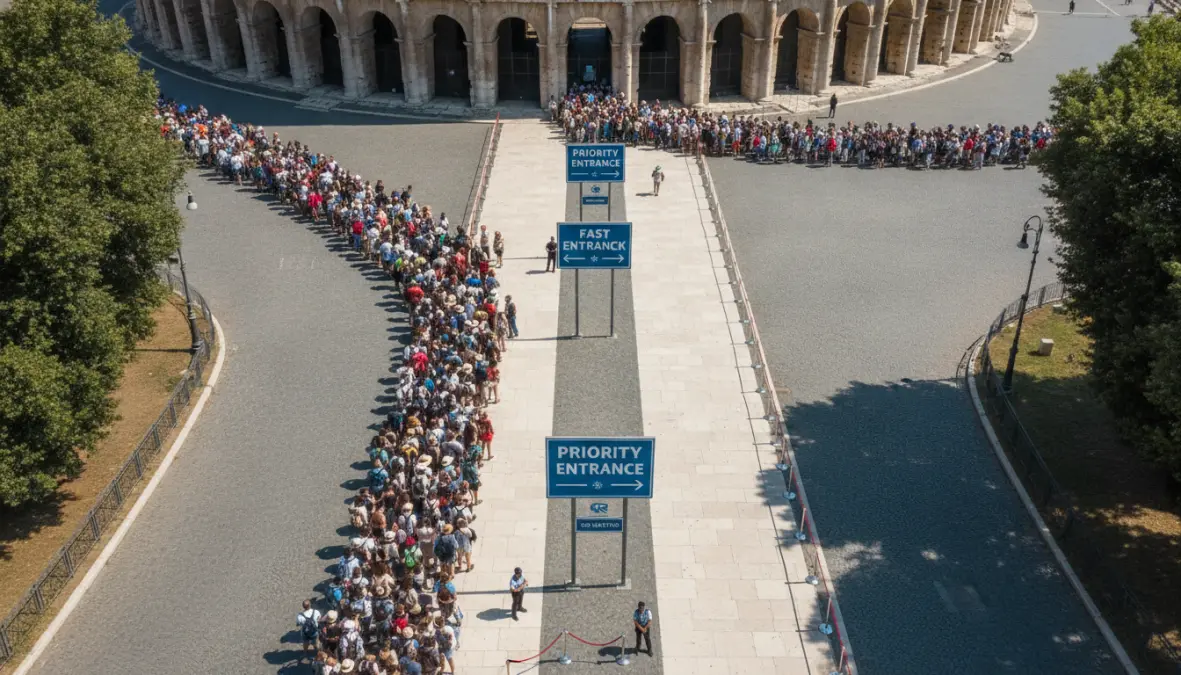
Let’s talk numbers. During peak season, the Colosseum sees queues of 2-3 hours for standard tickets. The Vatican Museums? Often 3-4 hours in summer heat. Barcelona’s Sagrada Familia regularly hits 2.5 hours, and don’t even get me started on the Louvre during July and August. These aren’t exaggerations—they’re daily realities that can destroy your carefully planned itinerary.
Skip the queue europe options offer benefits beyond just time savings. First, they guarantee your entry with visitor time slots during sold-out periods. The Anne Frank House in Amsterdam, for instance, often sells out weeks in advance—without advance museum booking, you simply won’t get in. Second, priority access tickets allow better trip planning. Knowing you have a 10 AM slot at the Uffizi means you can confidently book that lunch reservation in Florence without stress.
But here’s the honest truth: skip the line isn’t always necessary. Smaller museums, off-season visits, or attractions in less-touristy cities often have minimal queues. A random Tuesday in November at Prague Castle? You’ll probably walk right in. The key is knowing when the investment pays off and when you can save your euros. Generally, skip the line tickets are worth it for mega-attractions during April-October, weekends year-round, and any major holiday periods.
How to Book Skip the Line Tickets: Step-by-Step Process
Booking museum tickets online isn’t complicated, but timing and platform choice matter enormously. For Europe’s most popular attractions, book 2-4 weeks ahead for shoulder season, and 1-3 months for summer peak. The Alhambra in Granada often sells out its daily allocation 90 days in advance, while the Eiffel Tower’s summit tickets disappear within days of release.
Your booking journey starts with deciding where to purchase. Official websites typically offer the lowest prices for online attraction tickets, but often come with strict no-refund policies and limited customer service. Third-party platforms charge 15-30% premiums but provide flexibility, English support, and bundled options. We’ll dive deeper into this choice below.
Here’s your pre-booking checklist: verify the attraction requires timed entry tickets or offers walk-up access; check cancellation policies carefully; confirm whether your ticket includes actual skip-the-line access or just advance reservation; read recent reviews about the seller’s legitimacy; save confirmation emails and download vouchers to your phone; and note whether you need printed tickets or digital works.
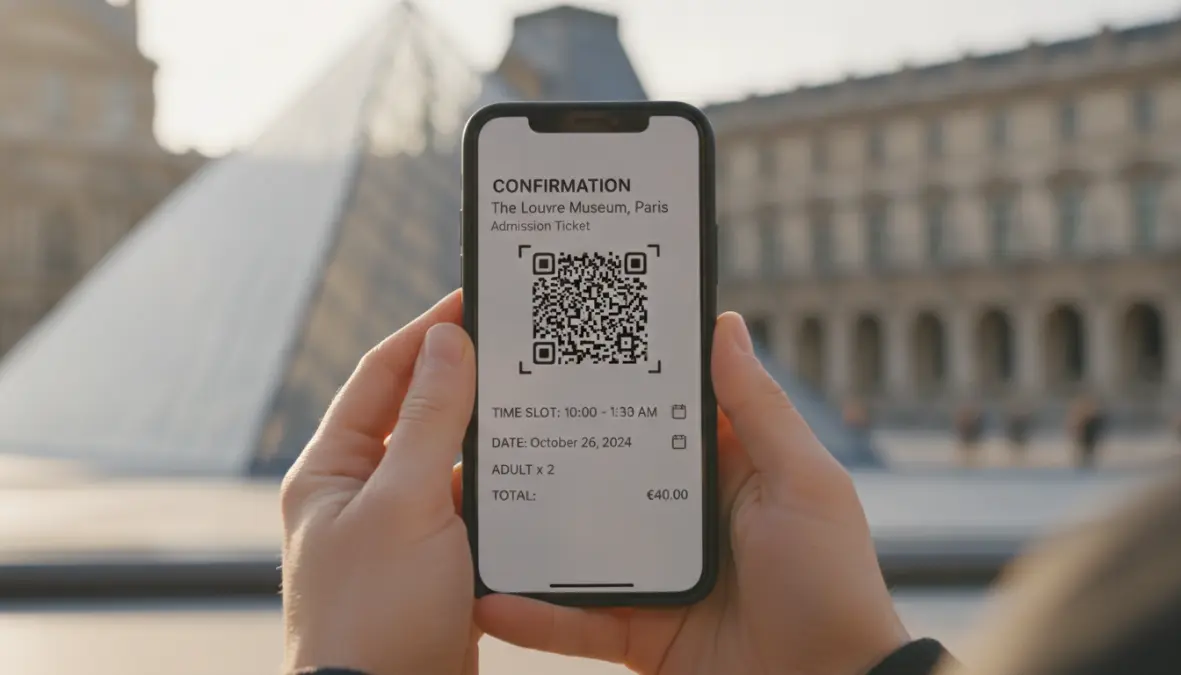
The booking process itself is straightforward: select your date and time slot, choose ticket type (adult/child/student), enter traveler details, pay securely, and receive digital confirmation. Most fast track tickets europe arrive instantly via email with QR codes. If plans change, contact customer service immediately—some platforms offer free cancellation up to 24 hours before, while official sites rarely budge.
Official Websites vs Third-Party Platforms: Pros and Cons
Official museum websites win on price—you’re paying face value without markups. For the Colosseum, that’s €16 versus €25-30 on reseller sites. You’re also guaranteed authenticity with no middleman risk. However, official reservation systems often have clunky interfaces, limited language options, and iron-clad no-refund policies that leave you stranded if your flight gets cancelled.
Third-party platforms like GetYourGuide, Viator, and Tiqets charge more but deliver convenience. They aggregate multiple attractions into one checkout, offer customer support in your language, provide flexible cancellation (often free up to 24 hours), and bundle tickets with guided tours or tourist passes. Choose official sites when you’re 100% certain of your schedule and comfortable navigating foreign-language interfaces. Go third-party when flexibility matters or you’re booking multiple attractions. Planning a weekend packed with sights? Check out our guide to spring weekend getaways for pairing attractions with destinations.
Understanding Different Types of Skip the Line Access
Not all “skip the line” tickets are created equal, and confusion here wastes both time and money. Standard skip the line means you bypass the general ticket queue but still wait for security—at the Vatican, this saves 1-2 hours. Priority entrance or fast track gets you through dedicated lanes for both ticketing and security, shaving off maximum time.
Timed entry reservations are often mislabeled as “skip the line”—they guarantee entry at your slot but don’t necessarily bypass queues. The Louvre’s online tickets work this way; you still wait, just less. Guided tours with priority access combine expert commentary with queue-jumping—excellent value at complex sites like the Uffizi where context enhances the experience. VIP or early access tickets, like the Sistine Chapel before public opening, offer the ultimate experience but command premium prices (€60-100+).
Top European Attractions Where Advance Booking Is a Must
Some attractions demand pre-booking attractions to avoid disaster. Here’s your must-book list:
Colosseum & Roman Forum (Rome): Book combined admission tickets 3-4 weeks ahead via CoopCulture or authorized resellers. Timed slots required. Average €18-25. Pro tip: book the first morning slot when crowd management is lightest and lighting is perfect for photos.
Vatican Museums & Sistine Chapel (Rome): Official site or tours, 4-6 weeks advance for summer. €17-30+. Wednesday mornings see papal audiences creating extra crowds—avoid or book VIP early access.
Sagrada Familia (Barcelona): Mandatory online booking 2-3 weeks ahead. €26-36 with towers. Book tower access separately—it sells out faster than basic entry.
Alhambra (Granada): The trickiest booking in Europe. Nasrid Palaces tickets release 90 days out and vanish within hours. Set calendar reminders. €14-19 official site only.
Anne Frank House (Amsterdam): Online-only, released exactly 2 months before. No walk-up entry. €14. Mark your calendar and book at midnight release.
Uffizi Gallery (Florence): Book 1-2 weeks ahead March-October. €20-25. Tuesday/Wednesday mornings have fewer tour groups.
Conversely, don’t waste money on advance tickets for: most German museums (excellent walk-up access), Scandinavian attractions off-season, smaller Italian cities like Bologna or Verona, and most churches (free entry, short security waits). Traveling on a budget? Our guide to last-minute weekend deals helps balance splurges like skip-the-line tickets with overall savings.
FAQ
Are skip the line tickets worth it?
Absolutely yes for major attractions during peak season (April-October, weekends, holidays). A €10-15 premium to save 2-3 hours is excellent value—that’s time you can spend actually exploring instead of standing in queues. For off-season visits or smaller museums, standard tickets usually suffice. Calculate the cost of your time versus the ticket premium.
How far in advance should I book museum tickets?
For must-see attractions like the Alhambra, book as soon as tickets release (often 60-90 days). For popular sites like the Vatican or Colosseum, aim for 3-4 weeks in summer, 1-2 weeks in shoulder season. Last-minute bookings (within a week) still work for many attractions outside July-August, especially via third-party platforms that hold inventory.
What happens if I miss my time slot?
Policies vary drastically. Some attractions offer 15-30 minute grace periods; others enforce strict arrival windows. The Uffizi typically allows entry within your hour block. The Alhambra’s Nasrid Palaces are notoriously strict—miss your 30-minute window and you’re out of luck with no refund. Always arrive 10-15 minutes early and have confirmation ready on your phone.
Can I get refunds on skip the line tickets?
Official museum sites rarely offer refunds except for closures. Third-party platforms vary: GetYourGuide and Viator often provide free cancellation up to 24 hours before; Tiqets policies differ by attraction. Always read cancellation terms before booking. Travel insurance sometimes covers non-refundable tickets if you have documented reasons for cancellation.
Do children need skip the line tickets?
Yes, if the attraction requires timed entry for children (even when admission is free). The Vatican, for instance, gives free entry to kids under 6, but they still need a reserved time slot. Check each attraction’s policy—some allow children to share adult slots, others require separate bookings.
Are skip the line tickets the same as guided tours?
Not always. Standard skip-the-line tickets simply provide faster entry—you explore independently. Guided tours with priority access combine both benefits: you bypass queues and get expert commentary. For complex sites like the Vatican or Uffizi, guided tours offer tremendous value. For straightforward attractions like the Eiffel Tower, independent skip-the-line tickets work perfectly fine.
Smart travelers know that skip the line tickets europe are investments in better experiences, not just convenience. The difference between a stressed, queue-filled trip and a relaxed exploration often comes down to spending 30 minutes researching and booking the right tickets. Your European adventure deserves better than waiting in line—start clicking those booking sites now. For more ways to maximize your European weekends, explore our culinary escapes guide and plan trips where both museums and meals are equally unforgettable.