Best Portable Chargers for European Travel: Complete Power Bank Buying Guide
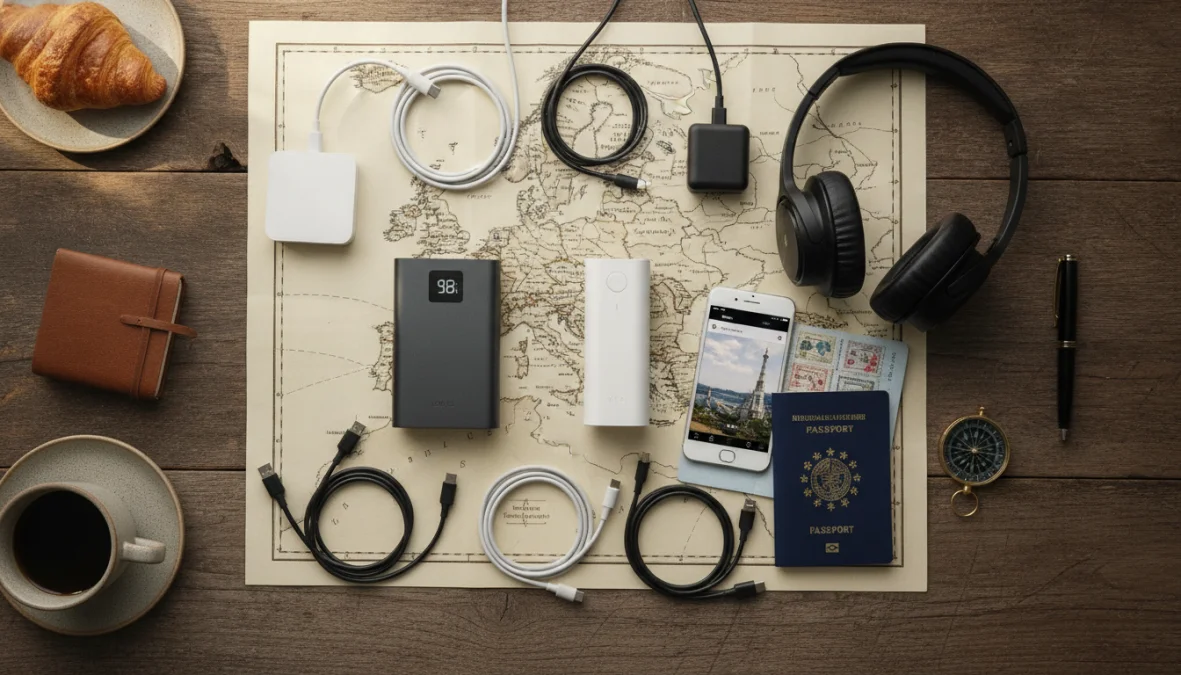
Picture this: you’re exploring the cobblestone streets of Prague, snapping photos of stunning architecture, when your phone battery hits 5%. Or you’re on a budget flight from Barcelona to Berlin with three more hours to go and your devices are completely drained. Sound familiar? Finding the best portable chargers for travel isn’t just convenient—it’s essential for modern European adventures. Whether you’re exploring cities solo or island-hopping across the Mediterranean, the right travel power bank keeps you connected, navigating, and capturing memories without the constant battery anxiety.
What Makes the Best Power Bank for European Travel
Not all portable chargers for international travel are created equal, especially when you’re dealing with long flights, multiple time zones, and varying charging opportunities across Europe. The best power bank for travel balances capacity, portability, and compliance with airline regulations.
First up: mAh capacity. For most European trips, aim for 10,000-20,000 mAh. A 10,000 mAh power bank typically charges a smartphone 2-3 times, perfect for weekend city breaks. Planning longer adventures or carrying multiple devices? A 20,000 mAh unit offers 4-6 full charges but adds weight to your daypack.
Here’s the crucial part: TSA approved power banks must not exceed 100 watt-hours (Wh). Most consumer power banks fall well under this limit—a 20,000 mAh battery at 3.7V equals approximately 74Wh. Always check the Wh rating printed on your device. EU airports follow similar regulations, requiring power banks in carry-on luggage only, never checked bags.
Airport Rules Quick Reference: Maximum 100Wh without approval (27,000 mAh approximate limit). Power banks 100-160Wh require airline approval. Must be in carry-on luggage. Remove from bag during security screening at most European airports.
Consider charging cables compatibility and port options. Modern USB-C charging with Power Delivery (PD) technology charges devices significantly faster—essential when you’ve got 30 minutes at a café before catching your next train. Multiple USB ports let you charge your phone, tablet, and earbuds simultaneously. Pass-through charging allows the power bank to charge while simultaneously powering your devices, maximizing efficiency during limited charging windows in hostels or airport lounges.
Don’t overlook physical dimensions. Compact travel chargers slip easily into pockets or small purses, crucial when you’re shopping through European markets or navigating crowded metros. Weight matters too—every gram counts when you’re backpacking between cities on budget airlines with strict baggage limits.
Top Portable Chargers for European Adventures
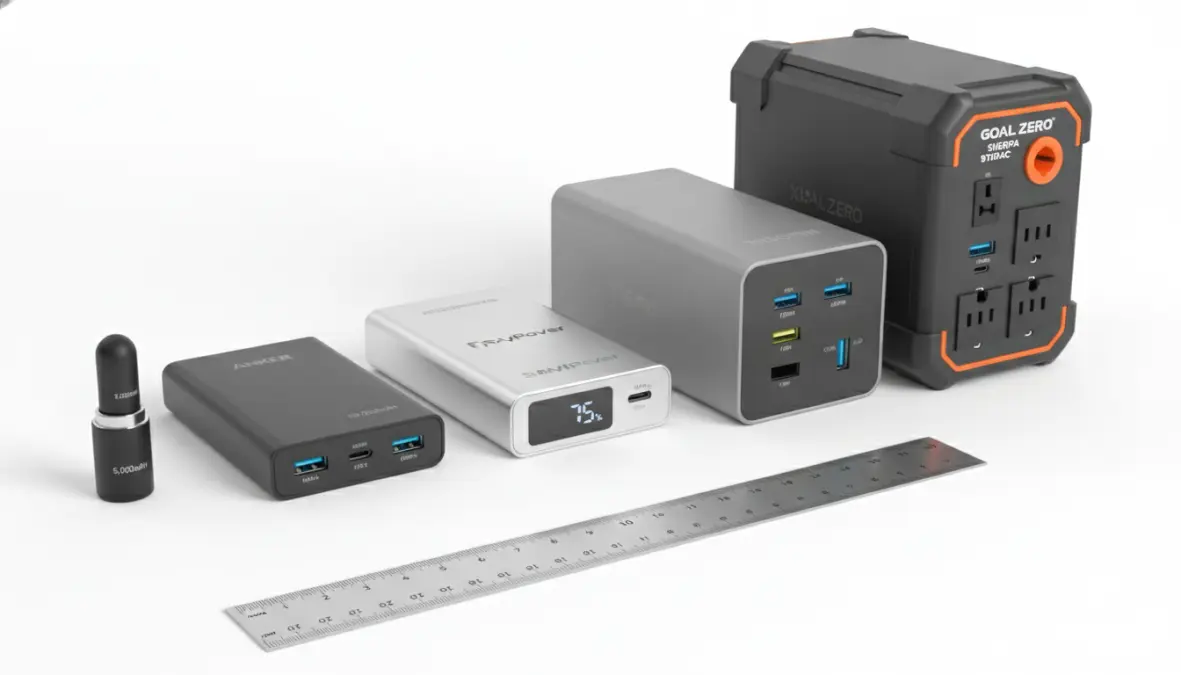
After extensive testing and traveler feedback, here are the best portable chargers for travel across different needs and budgets for your European journey:
Best Overall: Anker PowerCore 10000 PD Redux – At 10,000 mAh with 18W Power Delivery, this portable charger europe favorite weighs just 192g and fits in your palm. Features both USB-C and USB-A ports, charges iPhone 13 twice, and includes trickle-charging mode for earbuds. Approximately $30-40. Perfect for weekend travelers who want reliability without bulk.
Best High-Capacity: RAVPower 20000mAh PD Pioneer – When you need serious juice for week-long trips, this powerhouse delivers. Dual USB-C ports with 60W output can even charge laptops. Four device charges for most smartphones. Weighs 360g—heavier but worth it for digital nomads. Around $50-65. Ideal for travelers using multiple devices or sharing with companions.
Best Compact: Mophie Powerstation Mini – Ultra-portable 5,000 mAh option that disappears in your pocket. Weighs only 140g, perfect for day trips when you’re traveling light. Single full phone charge plus a bit extra. Great build quality with fabric finish. $25-35. Best for minimalist packers and short excursions.
Best Budget: Xiaomi Mi Power Bank 3 – Incredible value at 10,000 mAh for under $20. Dual USB-A ports, 18W fast charging, slim aluminum design. Widely available across Europe if you need a replacement. Slightly heavier than premium options but delivers solid performance. Perfect for cost-conscious backpackers.
Best Premium: Zendure SuperMini 10000 PD – Crushproof, ultra-durable construction for adventure travelers. 10,000 mAh in an impossibly small package (just 79mm tall). USB-C PD and QC 3.0 support. Premium $40-50 price tag justified by build quality and 18-month warranty. For travelers who demand the best engineering.
Best Multi-Port: Baseus 30000mAh Power Bank – Three USB ports plus USB-C mean charging your phone, tablet, camera, and smartwatch simultaneously. Massive 30,000 mAh capacity handles long flights and remote locations. At 530g, it’s heavy—but eliminates all charging worries. $45-60. Ideal for photographers and tech-heavy travelers.
Best for Fast Charging: INIU 20W PD Power Bank – Blazing-fast charging speeds with 20W USB-C output. 10,000 mAh charges iPhone from 0-50% in 25 minutes. LED display shows exact remaining percentage. Affordable $25-35 range. Perfect for travelers constantly on the move between culinary destinations.
Essential Tips for Traveling with Power Banks in Europe
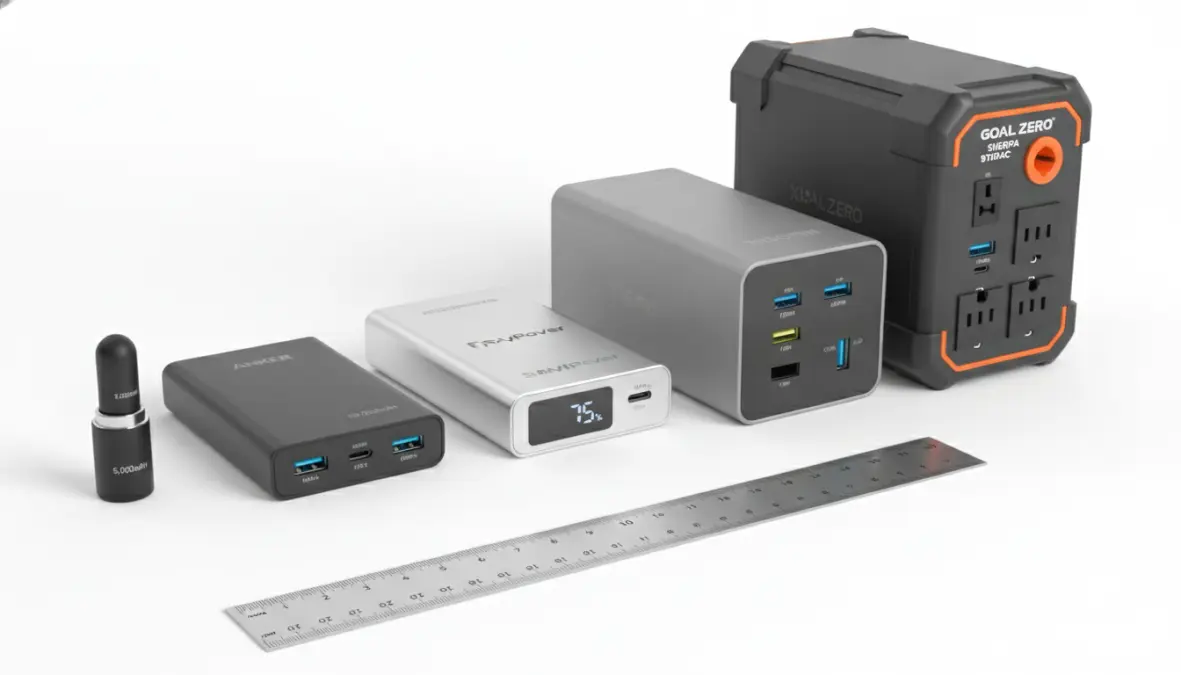
Having the right european travel accessories means knowing how to use them effectively. Here’s how to maximize your travel power bank experience:
- Pack in carry-on always: Airlines universally prohibit battery capacity devices in checked luggage due to fire risks. Keep your power bank accessible in your personal item or cabin bag.
- Airport security preparation: At most European airports, remove power banks during screening just like laptops. Have them easily accessible. Some budget airlines inspect them more carefully—be patient.
- Strategic charging locations: European hotels typically provide ample outlets. Trains offer charging on many routes (check seat reservations). Cafés and coworking spaces welcome customers who charge devices. Airport lounges provide optimal charging opportunities between flights.
- Adapter compatibility: You don’t need a voltage converter for power banks—their USB output is universal. However, bring a European plug adapter to charge the power bank itself from wall outlets (Type C/F plugs across most of Europe).
- Charge overnight: Fully charge your power bank each night in your accommodation. Many travelers forget this step and find themselves with a dead power bank when they need it most.
- Weather considerations: Extreme cold drains batteries faster. When visiting Europe in early spring, keep your power bank close to your body in cold weather.
- Multiple device management: Prioritize charging your smartphone first (navigation, communication), then camera, then entertainment devices. Use travel apps efficiently to conserve battery.
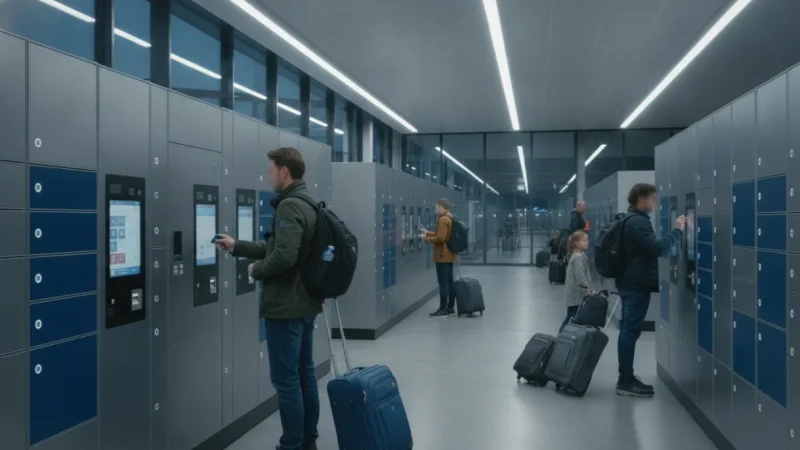
- If confiscated: Rarely happens if within limits, but if your power bank is deemed non-compliant, you’ll need to surrender it. Buy a replacement at European electronics stores (Media Markt, Fnac) or Amazon lockers.
FAQ: Power Banks and European Travel
Can I bring a power bank on a plane to Europe?
Yes, portable chargers allowed on flights to europe include any power bank under 100Wh (approximately 27,000 mAh). They must be in carry-on luggage, not checked bags. Most consumer power banks easily meet this requirement. Remove them during security screening for inspection.
What size power bank is allowed in EU airports?
EU regulations mirror international standards: maximum 100 watt-hours without special approval. This translates to roughly 27,000 mAh for standard 3.7V batteries. Power banks between 100-160Wh require airline approval beforehand. Always check the Wh rating printed on your device to be certain.
Do I need a special adapter for charging my power bank in Europe?
You’ll need a standard European plug adapter (Type C or Type F) to charge your power bank from wall outlets, but no voltage converter. Power banks accept 100-240V input universally. The same adapter works for charging your devices directly from outlets too.
How many mAh do I need for a week in Europe?
For typical use (navigation, photos, messaging), a 10,000-20,000 mAh power bank suffices for a week. You’ll recharge it nightly at hotels. Heavy users or those visiting remote areas like European islands should consider 20,000+ mAh for extra security between charging opportunities.
Are Anker, RAVPower, and other brands allowed on European flights?
Yes, brand doesn’t matter—only capacity and compliance with 100Wh limits. Reputable brands like Anker, RAVPower, Mophie, and Zendure clearly label their watt-hour ratings and meet all international standards. Avoid unmarked or suspiciously cheap power banks that may lack proper certifications.
The right portable charger transforms your European travel experience from battery-anxiety-inducing to seamlessly connected. Whether you’re photographing architectural masterpieces, navigating unfamiliar streets, or staying in touch with loved ones back home, a reliable power bank is as essential as your passport. Choose based on your specific travel style, invest in quality, and you’ll never miss capturing those perfect European moments because your phone died. Safe travels and stay charged!