Best Money Exchange Options in Europe: Complete Guide to Avoid Tourist Traps
You’ve booked your European adventure, found great deals on flights, and now you’re wondering how to handle money exchange in Europe without getting ripped off. Smart thinking—because currency exchange is where many travelers unknowingly lose hundreds of euros to tourist traps and hidden fees. The good news? With the right knowledge about money exchange europe options, you can keep more cash in your pocket for experiences that actually matter.
Understanding Currency Exchange in Europe: What Travelers Need to Know
Currency exchange europe isn’t as straightforward as many travelers assume. While 20 European Union countries use the euro, you’ll still encounter local currencies in popular destinations like the UK (pound sterling), Switzerland (Swiss franc), Czech Republic (koruna), and Scandinavia. This creates multiple opportunities for unfavorable european currency exchange situations.
Here’s what most tourists don’t understand: the interbank exchange rate you see on Google or currency apps is the wholesale rate banks use between themselves. You’ll never actually get this rate. Every money exchange service adds a markup—the question is how much. Reputable services might add 1-2% to the interbank rate, while tourist-oriented exchange booths can charge 8-15% or more in hidden markups.
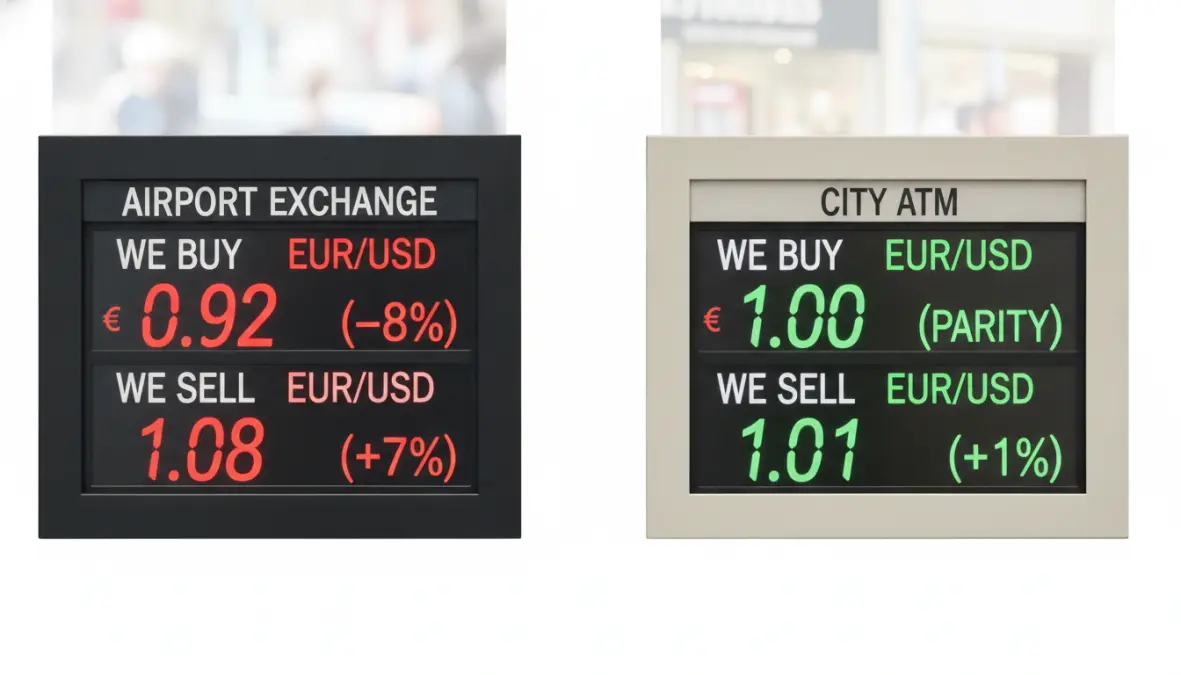
The markup isn’t always obvious because many services advertise “commission free exchange” while quietly inflating the exchange rate markup. For example, if the real EUR/USD rate is 1.10, a tourist booth might offer 1.20 while claiming zero fees. That 10-cent difference multiplied across your entire exchange amount represents pure profit for them—and pure loss for you. Understanding this fundamental difference between advertised rates and actual costs is your first defense against money exchange europe tourist traps.
Best and Worst Places to Exchange Money in Europe
Not all currency conversion options are created equal. Knowing where to exchange money in european cities can save you serious cash—or cost you dearly.
Top Options for Getting the Best Exchange Rates
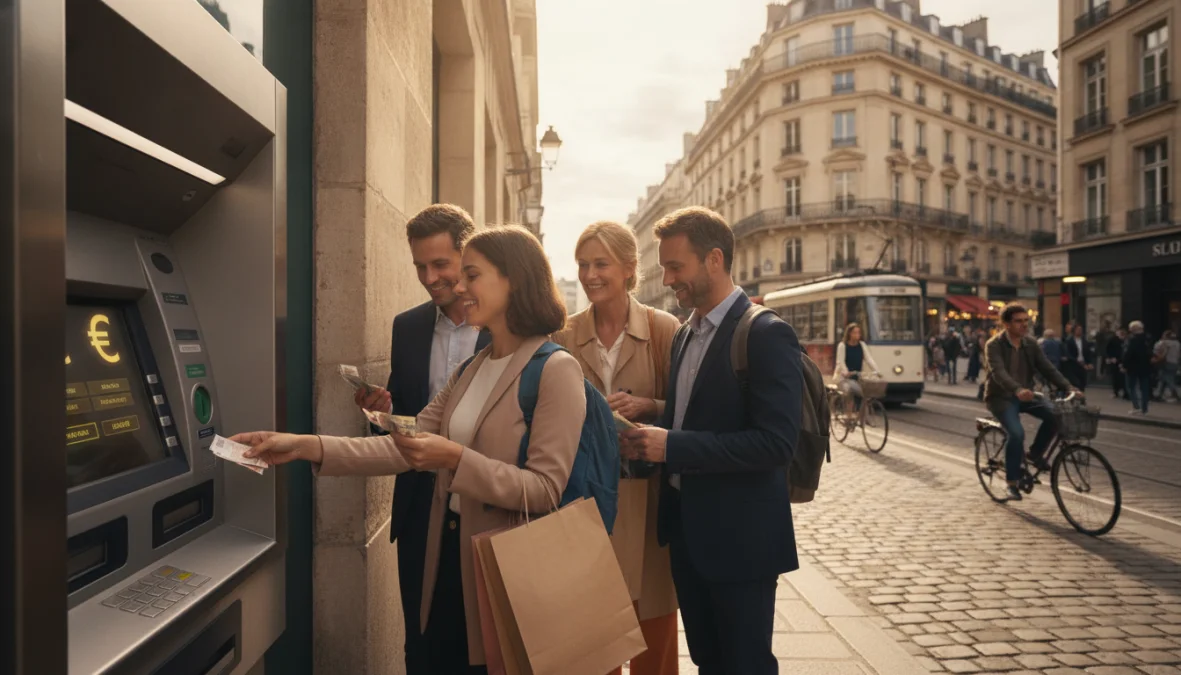
ATM withdrawals from local banks typically offer the best exchange rates europe travelers can access, usually within 1-3% of the interbank rate. Choose ATMs affiliated with major banks rather than standalone machines in tourist areas. Always decline Dynamic Currency Conversion (more on that later) and let your bank handle the conversion. Be aware of ATM withdrawal fees—your home bank might charge $3-5 per withdrawal, plus the European bank may add €2-5. Withdrawing larger amounts less frequently minimizes these per-transaction costs.
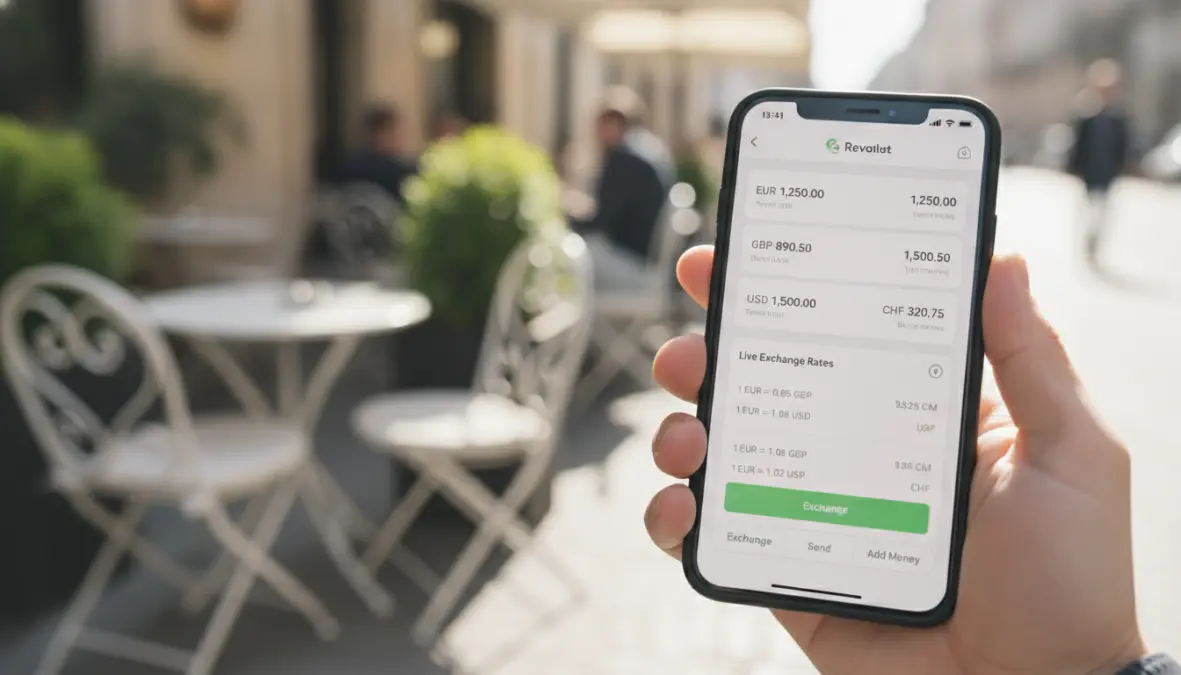
Multi-currency accounts like Wise (formerly TransferWise) and Revolut have revolutionized travel money europe management. These services offer near-interbank rates with minimal markups (typically 0.5-1%) and feature-rich travel debit cards. You can hold multiple currencies, exchange money at excellent rates through their apps, and avoid most foreign transaction fees. Wise charges small transparent fees but offers the real exchange rate, while Revolut provides fee-free exchanges up to monthly limits. Both are excellent for figuring out how to exchange money in europe without fees.
Local banks and forex exchange europe services can work well if you need large amounts. Dedicated forex bureaus in city centers (not tourist zones) sometimes offer competitive rates without the per-transaction fees of ATMs. However, rates vary significantly, so compare before committing.
Tourist Traps to Avoid at All Costs
Airport and train station exchange booths represent the worst place to exchange currency in europe, with markups reaching 10-15%. A €500 exchange could cost you €50-75 extra compared to better options. They prey on newly-arrived travelers who haven’t planned ahead. If you must use them, exchange only enough for immediate transport and food.
Hotel currency exchange services are equally predatory, often worse than airports. That convenient desk offering to change your dollars? You’re paying handsomely for that convenience—sometimes 15-20% above fair rates.
Dynamic Currency Conversion (DCC) is the sneakiest trap. When paying by card, merchants or ATMs ask if you want to pay “in your home currency.” This sounds helpful but triggers terrible exchange rates (5-10% markup) that benefit the payment processor, not you. Always choose to pay in the local currency and let your bank handle conversion at much better rates. This single tip for avoiding tourist trap exchange rates can save hundreds on a European trip.
Watch for “zero commission” signs with asterisks—they’re masking awful exchange rates. A legitimate service displays both their rate and the interbank rate for comparison.
Essential Money Exchange Tips for European Travel
Strategic planning separates savvy travelers from those who overpay. Here are proven money exchange tips europe veterans use:
Timing your exchange: For the cheapest way to get euros in europe, don’t exchange large amounts before departure. Get a small amount (€50-100) for arrival emergencies, then use ATMs or multi-currency cards once you’re there. Pre-trip exchanges at home banks typically involve 5-8% markups.
Master the DCC decline: When withdrawing from ATMs or paying at terminals, merchants may push DCC by making it the default option. The “yes” button often accepts DCC, while “no” or “decline conversion” gets you the better rate. Read carefully—some terminals deliberately make this confusing.
Optimize withdrawal amounts: Since many transactions carry fixed fees, withdrawing €200-300 at once beats taking €50 multiple times. Balance this against security concerns about carrying cash.
For non-euro countries: When visiting multiple European destinations like Prague for shopping or Swiss alpine getaways, use multi-currency accounts to hold and exchange each currency at optimal times rather than doing last-minute exchanges.
Rate-monitoring apps: XE Currency, Revolut, and Wise all track real-time rates and send alerts when rates hit your target, perfect for planning exchanges.
Pre-travel banking checklist: Contact your bank about international withdrawal fees, ask about foreign transaction fee waivers, increase daily withdrawal limits, set up travel alerts to prevent card blocks, and get your bank’s international support number.
FAQ: Money Exchange in Europe
Should I exchange money before going to Europe?
Exchange only a small amount (€50-100) for immediate arrival needs. You’ll get better rates using ATMs or multi-currency cards in Europe. Home bank exchanges typically charge 5-8% markups, while European ATMs offer 1-3% above interbank rates—significantly cheaper.
Is it better to pay in euros or local currency?
Always pay in the local currency, whether euros or another European currency. Choosing your home currency triggers Dynamic Currency Conversion with 5-10% hidden fees. Even if your bank charges foreign transaction fees, local currency conversion is almost always cheaper than DCC.
How much cash should I carry in Europe?
Most of Europe is card-friendly, but carry €100-200 for small vendors, markets, and rural areas. Cities like popular solo travel destinations are very card-oriented, while smaller towns and traditional markets prefer cash. Split money between locations for security.
Are airport exchange rates really that bad?
Yes—airport and station exchanges often charge 10-15% above fair rates. On a €500 exchange, you’d lose €50-75 compared to ATMs. They’re convenient but expensive. If you must use them, exchange minimal amounts and find better options downtown.
What are the best cards for European travel?
Wise and Revolut multi-currency cards offer the best combination of low fees (0.5-1% markup) and flexibility. For traditional banks, look for cards with no foreign transaction fees and ATM fee reimbursements. Avoid standard credit cards charging 3% foreign transaction fees unless they offer valuable rewards offsetting the cost.
Smart currency exchange europe strategies aren’t complicated—they just require a bit of planning and awareness. By avoiding tourist traps, using the right tools like multi-currency accounts and local ATMs, and always declining Dynamic Currency Conversion, you’ll keep hundreds of euros that would otherwise disappear into hidden fees and inflated rates. That’s money better spent on experiences, whether you’re exploring spring flower festivals or celebrating Easter weekend across Europe. Travel smart, exchange smarter.