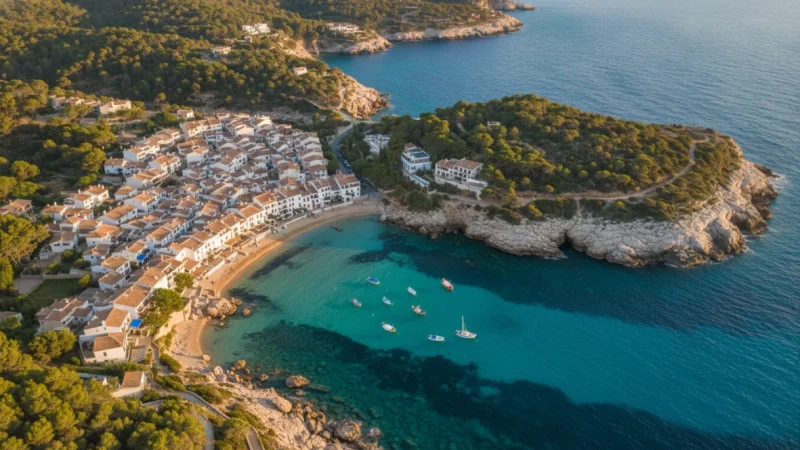
Best European Spa Weekend Getaways: Thermal Baths and Wellness Retreats
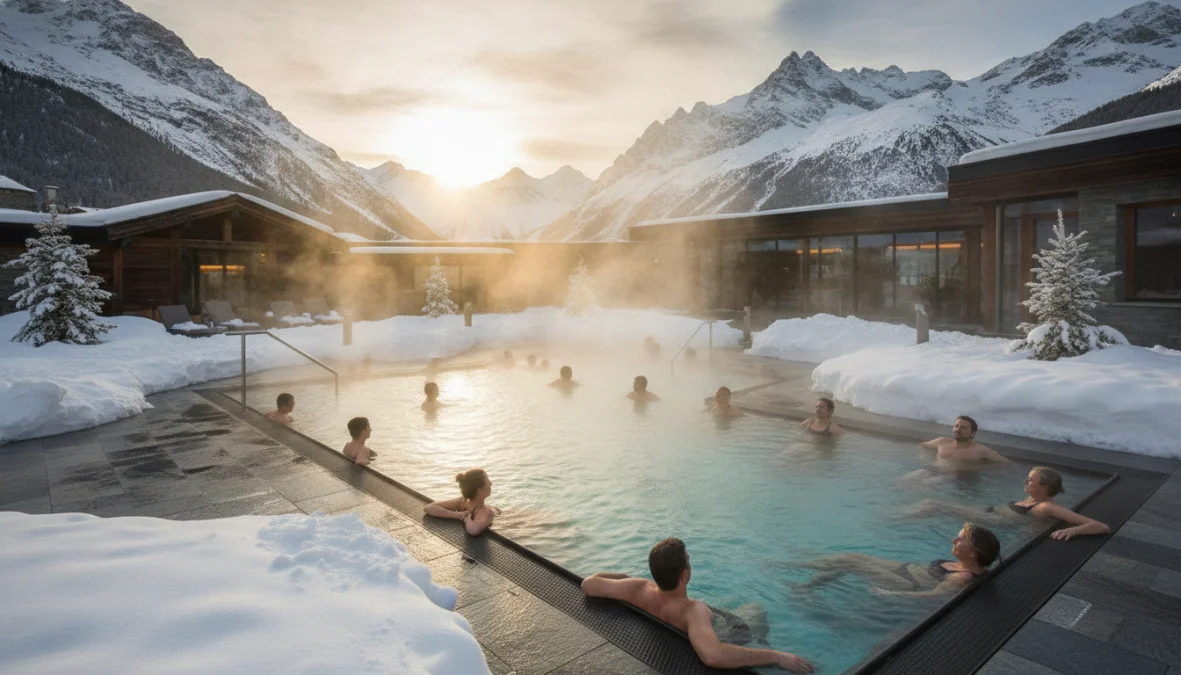
Picture this: soaking in steaming thermal waters surrounded by snow-capped mountains, your muscles melting into relaxation while mineral-rich bubbles work their magic. A spa weekend in Europe isn’t just about pampering—it’s about reconnecting with centuries-old wellness traditions that have been healing bodies and minds long before “self-care” became a buzzword. From Iceland’s otherworldly geothermal pools to Hungary’s ornate bathhouses, Europe offers an incredible diversity of thermal baths and wellness retreats that cater to every taste and budget.
Top European Wellness Destinations for Your Spa Weekend
When planning your spa weekend in Europe, the continent’s diversity means you can choose between dramatically different experiences. Let’s explore some of the best European wellness destinations across different regions.
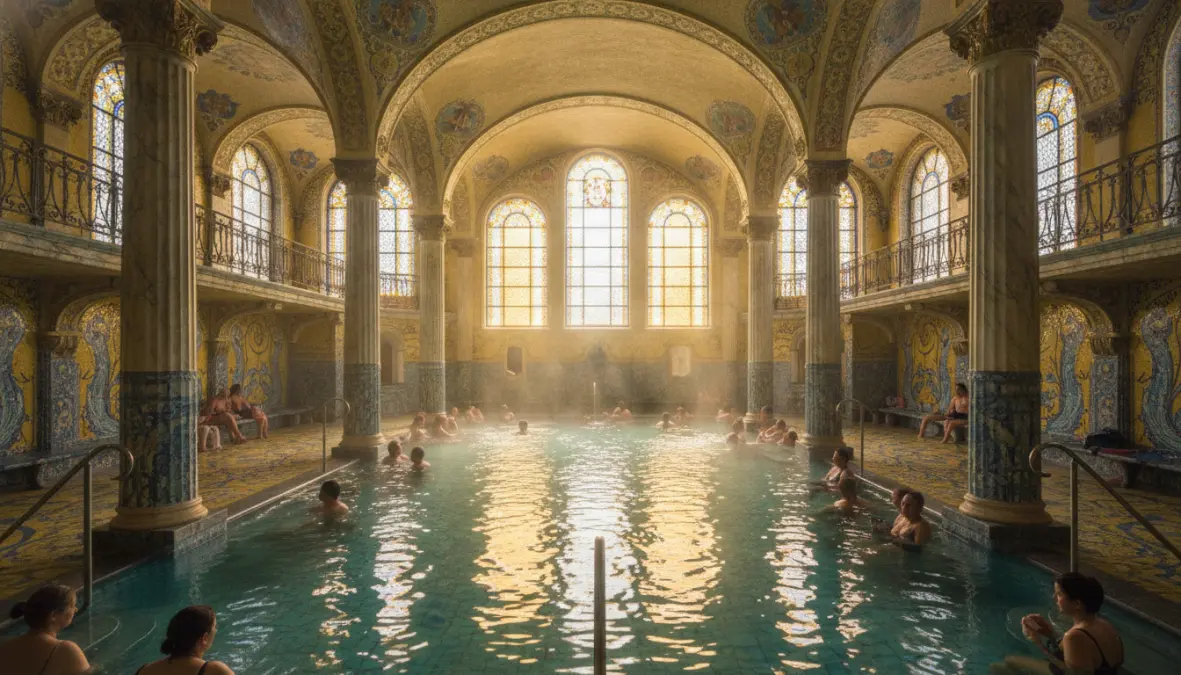
Central Europe remains the undisputed champion of thermal baths in Europe. Budapest tops most lists with its stunning Széchenyi and Gellért baths—architectural marvels where locals and tourists mingle in outdoor pools even during winter. The Hungarian capital offers one of the best thermal spa towns in Europe, combining affordability with authentic tradition. Just across the border, Slovakia’s Piešťany provides a quieter alternative with therapeutic mud treatments and Art Nouveau spa hotels.
Moving west, Germany’s Baden-Baden epitomizes luxury spa breaks in Europe. This Black Forest town has been attracting wellness seekers since Roman times, and its Friedrichsbad and Caracalla Therme offer distinctly different experiences—one classical and ritualistic, the other modern and spacious. For those seeking affordable wellness retreats in Europe, the Czech town of Karlovy Vary delivers Victorian elegance at more accessible prices.
The Mediterranean brings a different flavor to spa culture. Italy’s Tuscany region features natural hot springs spa Europe experiences like Saturnia’s free-flowing cascades and Bagno Vignoni’s medieval pool in the town square. These locations perfectly blend wellness with Italian dolce vita—imagine following your thermal soak with exceptional local wine and cuisine.
Scandinavia and Iceland offer the most dramatic settings. Iceland’s Blue Lagoon is famous for good reason, though savvy travelers also explore less crowded alternatives like the Mývatn Nature Baths or the Secret Lagoon. Norway’s fjord-side spas provide weekend wellness retreat destinations in Europe where you can alternate between hot saunas and icy Nordic waters while watching the Northern Lights.
Don’t overlook hidden gems like Slovenia’s Rogaška Slatina, famous for magnesium-rich mineral water, or Portugal’s Termas de Monfortinho near the Spanish border—authentic experiences far from tourist crowds.
Choosing Between Luxury Spa Hotels and Authentic Thermal Spa Experiences
Not all spa weekends in Europe are created equal, and understanding the different options helps you match the experience to your preferences and budget.
Luxury spa resorts in Europe deliver comprehensive packages where everything is designed for your comfort. Think best spa hotels in Europe like Austria’s Lanserhof Tegernsee or Switzerland’s The Chedi Andermatt, where you’ll find state-of-the-art facilities, personalized wellness programs, gourmet healthy cuisine, and extensive hydrotherapy treatments. These all inclusive spa weekend packages in Europe typically range from €300-800 per night and include medical consultations, fitness classes, and multiple treatments. They’re ideal for those seeking a complete rejuvenation experience or celebrating special occasions like a romantic spa weekend in Europe for couples. Many offer specialized programs—detox retreats, weight management, or stress reduction—spanning 3-7 days.
In contrast, traditional thermal baths and hot springs in Europe provide authentic, accessible experiences rooted in local culture. Entry to Budapest’s baths costs around €20-30, Iceland’s public pools just €8-10. You’ll share the waters with locals who’ve been coming for generations, experiencing genuine community wellness culture rather than curated luxury. The focus is purely on the mineral-rich waters and their therapeutic properties—mineral water therapy in its most traditional form. This option suits budget-conscious travelers, those wanting cultural immersion, or anyone planning shorter visits. If you’re looking for the best thermal baths for weekend getaway experiences, these public baths can’t be beaten for value and authenticity.
Wellness retreats focused on holistic programs occupy a middle ground. These typically offer structured schedules combining thermal waters, massage therapy, yoga, meditation, and nutritional guidance. Places like Portugal’s Longevity Cerdeira Village or Spain’s SHA Wellness Clinic blend natural settings with expert-guided transformation programs. Prices vary widely (€150-500 per night) but include most treatments and meals.
Choose luxury resorts when comfort and comprehensive services matter most, traditional thermal baths for authentic experiences and budget-friendly relaxation getaways, and wellness retreats when you want structured guidance without five-star prices.
Planning Your Perfect European Spa Weekend: Practical Tips
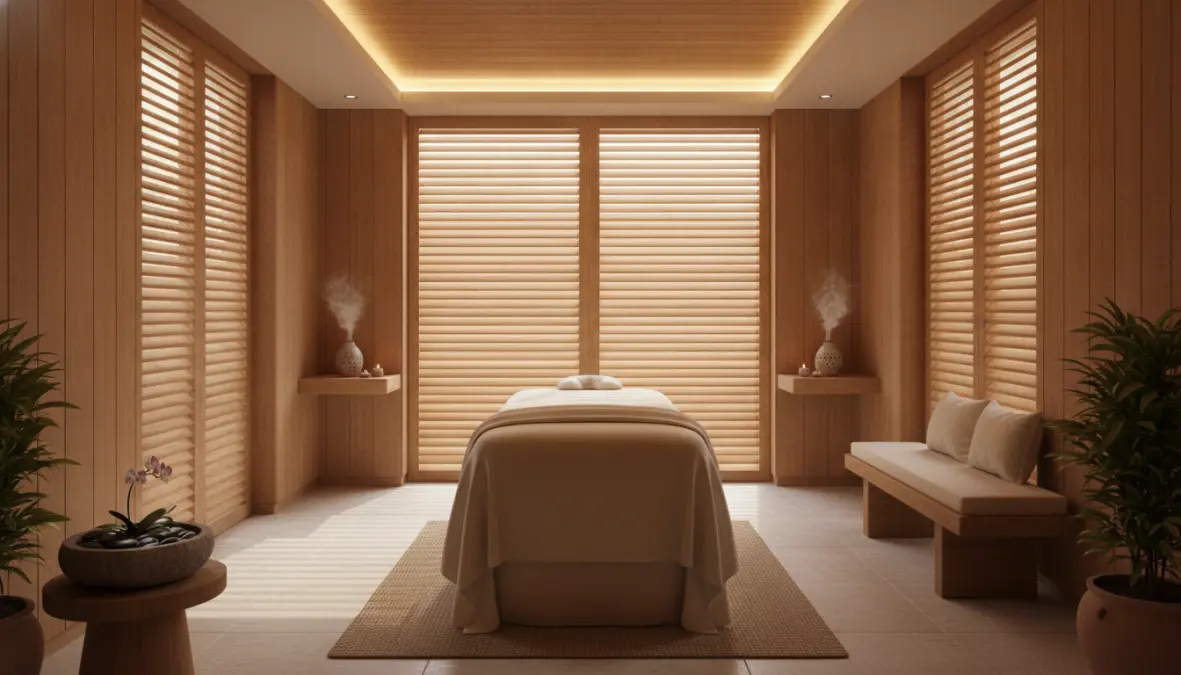
Timing can make or break your thermal spa weekend. Shoulder seasons (April-May and September-October) offer the sweet spot—pleasant weather, fewer crowds, and better prices than summer peaks. Winter has its own charm, especially for outdoor thermal pools surrounded by snow, though some natural hot springs become less accessible. Book luxury wellness retreats in Europe at least 2-3 months ahead, particularly for weekends. Traditional thermal baths rarely need advance booking except during holidays.
For a proper spa weekend in Europe, aim for at least 2-3 days. This allows arrival day relaxation, a full day of treatments, and leisurely departure—rushing defeats the purpose. Many travelers successfully combine spa time with cultural exploration, particularly in cities like Budapest or Baden-Baden where architecture and museums complement wellness activities. If you’re planning a multi-destination trip, check out our guide on planning multi-city European weekends for seamless connections.
What to pack depends on your destination. Most thermal baths in Europe require swimming caps (often sold on-site), flip-flops, and swimwear—though some traditional German spas are clothing-optional zones, so research beforehand! Bring a reusable water bottle (staying hydrated is crucial), a book for poolside reading, and comfortable post-spa clothing. Leave valuables behind; most facilities provide lockers but theft can occur.
Budget-wise, expect €50-150 for a full day at mid-range spa resorts in Europe including entrance and 1-2 treatments. Budget options exist—many municipal thermal baths cost under €30 daily. All-inclusive spa weekend packages often provide better value than à la carte treatments. Booking directly with hotels sometimes yields perks (room upgrades, complimentary treatments) that platforms don’t offer. For getting there affordably, our budget airlines guide covers the best options for European short breaks.
Consider accessibility—some historic thermal baths have limited facilities for mobility-impaired visitors, while modern luxury spa breaks in Europe are typically fully accessible. If combining your spa weekend with solo exploration, our solo travel destinations guide offers complementary ideas.
FAQ
What is the best spa destination in Europe?
Budapest consistently ranks as the top overall destination, offering world-class thermal baths at accessible prices with stunning architecture. For luxury, Baden-Baden and Swiss Alpine resorts excel. Iceland provides the most unique natural setting. The “best” ultimately depends on whether you prioritize tradition, luxury, nature, or budget.
How much does a spa weekend in Europe cost?
Budget options start around €150-250 total (accommodation + thermal bath entries in Eastern Europe). Mid-range spa weekends run €400-700, while luxury spa breaks at top European resorts can reach €1,500-3,000 for a weekend including accommodation, meals, and treatments.
Are thermal baths better than regular spas?
They serve different purposes. Thermal baths offer genuine therapeutic benefits from mineral-rich natural waters, often backed by centuries of medical use. Regular spas provide more diverse treatments and comfort. Thermal waters excel for joint pain, circulation, and skin conditions, while spa resorts offer comprehensive wellness and pampering.
What should I bring to a European thermal bath?
Essentials include swimwear, flip-flops, a towel (some charge rental fees), swimming cap (required at many pools), and a reusable water bottle. Optional but recommended: waterproof phone case, hair ties, post-swim skincare, and a good book. Check specific facility rules—some require shower shoes or prohibit certain swimwear styles.
Can you do a spa weekend on a budget in Europe?
Absolutely! Hungary, Czech Republic, and Slovenia offer excellent affordable wellness retreats. Public thermal baths cost €20-40 for full-day access. Budget accommodation near facilities, self-catered meals, and free natural hot springs (like Saturnia in Italy) make wellness weekends accessible. Visit during off-season for additional savings.
Whether you’re seeking a romantic spa weekend in Europe for couples, a solo rejuvenation experience, or simply a well-deserved break from daily stress, Europe’s incredible diversity of thermal traditions and modern wellness facilities ensures there’s a perfect escape waiting for you. The combination of healing waters, beautiful settings, and rich cultural heritage makes these destinations far more than simple getaways—they’re investments in your wellbeing that you’ll remember long after your skin stops smelling of sulfur.