Best European Cycling Cities: Top Bike-Friendly Weekend Destinations
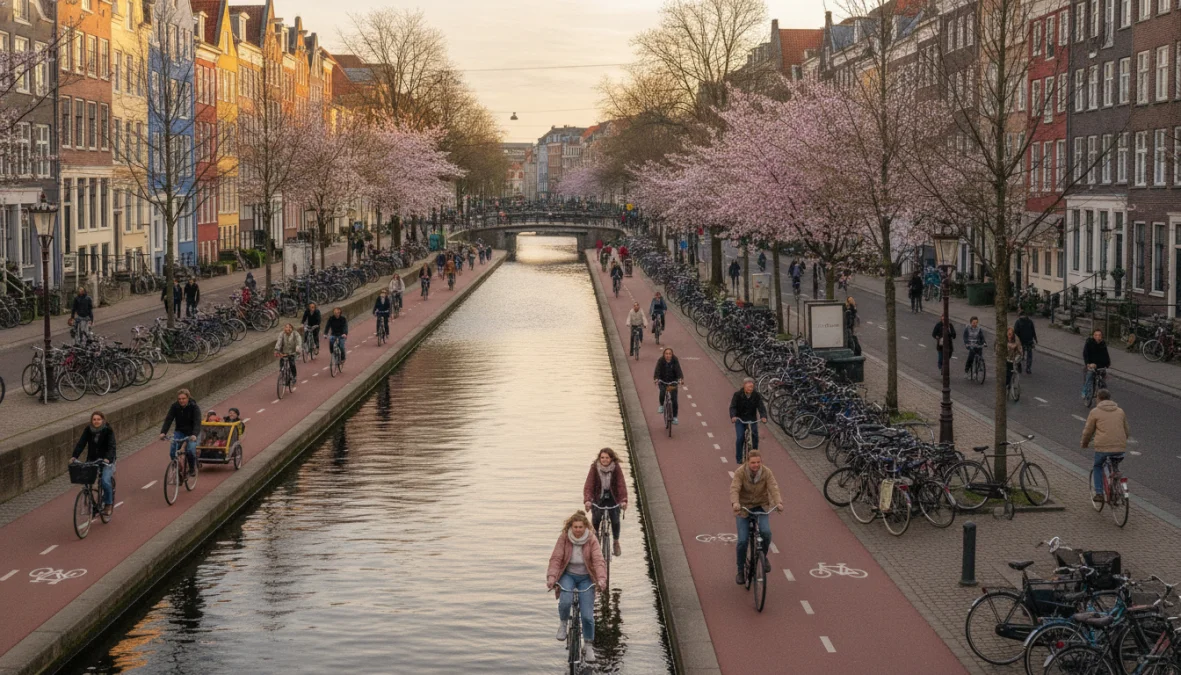
Picture this: you’re gliding through charming cobblestone streets, the wind in your hair, discovering hidden courtyards and local cafés that guidebooks never mention. No subway schedules to check, no traffic jams to endure—just you, two wheels, and a city revealing itself at the perfect pace. Welcome to the world of cycling cities Europe has perfected over decades, where bike lanes outnumber car lanes and the humble bicycle isn’t just transport—it’s a way of life.
Europe’s most bike friendly cities offer weekend travelers something magical: the freedom to cover serious ground without breaking a sweat (mostly), the flexibility to stop whenever something catches your eye, and the authentic experience of living like a local. Whether you’re after flat canals, medieval architecture, or coastal routes, European cycling destinations deliver unforgettable weekend breaks on two wheels.
Why Europe’s Cycling Cities Make Perfect Weekend Breaks
Europe leads the global cycling revolution for good reason. According to recent European Cyclist Federation data, over 270 million Europeans use bicycles regularly, and cities across the continent have invested billions in cycling infrastructure that makes urban cycling safer, faster, and more enjoyable than driving. These investments translate into incredible opportunities for weekend travelers seeking cycling weekend breaks Europe style.
The beauty of bike friendly cities europe offers lies in their compact, navigable layouts. Most historic centers span just 5-10 kilometers across—perfect for covering in a day without exhausting yourself. You’ll save money on public transport passes (bike rentals typically cost €10-15 daily versus €20+ for transit cards), reduce your carbon footprint dramatically, and experience that addictive sense of freedom that comes from self-powered exploration.
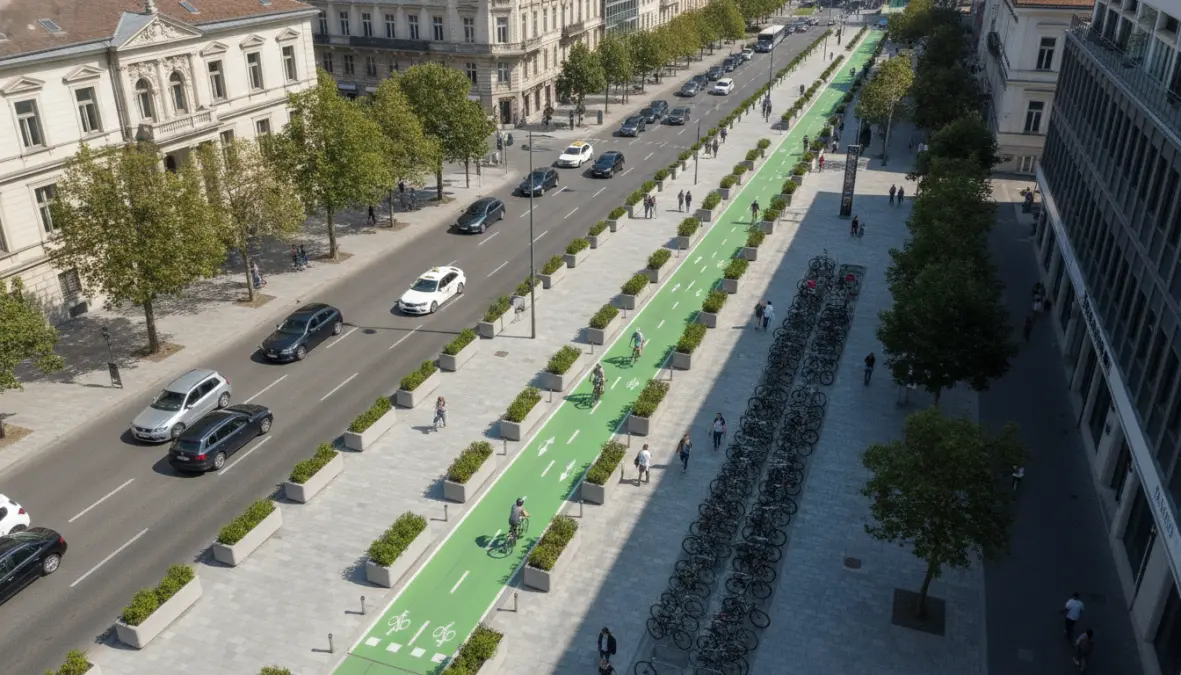
These cities also feature extensive pedestrian zones, dedicated bike lanes, and bicycle paths that separate cyclists from motorized traffic, making them incredibly safe even for nervous riders. Traffic lights are timed for cycling speeds, bike sharing schemes blanket city centers, and the pervasive cycling culture means drivers actually expect and respect cyclists. For weekend travelers, this infrastructure means you can focus on sightseeing rather than survival—a refreshing change from cycling in less bike-friendly destinations.
Top Bike-Friendly Cities for Your European Cycling Adventure
When considering the best cities for cycling, these bicycle friendly european cities consistently top the lists for good reason. Each offers unique charms alongside world-class cycling infrastructure.
Amsterdam, Netherlands remains the undisputed queen of european cycling destinations. With over 500 kilometers of dedicated bike lanes and more bicycles than residents, this flat, canal-ringed city practically demands pedal power. Cycle along the Amstel River, explore the Jordaan’s narrow streets, and don’t miss the vintage architecture of the Canal Belt—all easily covered in a relaxed weekend. Amsterdam’s extensive bike rental systems mean finding wheels takes minutes, and the pancake-flat terrain makes it one of the most bike friendly cities in europe for tourists, especially beginners.
Copenhagen, Denmark boasts 385+ kilometers of cycle tracks and a staggering 62% of residents who commute by bike daily. The city’s cycling routes include the stunning harbor circuit, passing the colorful Nyhavn waterfront and the Little Mermaid statue. Copenhagen invented the concept of the “Cycle Superhighway,” and their green wave traffic lights ensure cyclists hit consecutive green lights at 20 km/h—cycling efficiency at its finest.
Utrecht, Netherlands often flies under tourists’ radar but delivers authentic Dutch cycling culture without Amsterdam’s crowds. Home to the world’s largest bicycle parking garage (12,500 spaces!), Utrecht’s medieval center and winding canals create picture-perfect cycling weekend breaks europe travelers rave about. The city’s compact 30-kilometer network of bicycle paths connects every major sight effortlessly.
Bordeaux, France represents cycling’s Mediterranean flair. With 580 kilometers of bike lanes and a brilliant bike sharing scheme (V³), you can pedal through elegant 18th-century architecture, along the Garonne riverfront, and even out to nearby vineyards. The flat riverside paths make Bordeaux ideal for leisurely urban cycling europe style, and it’s among the best european cities for cycling weekends combining culture with wine country access.
Barcelona, Spain has transformed itself into a cycling paradise with over 240 kilometers of bike lanes and expanding cycling infrastructure. The beachfront Passeig Marítim offers stunning Mediterranean views, while the Gothic Quarter’s narrow streets reveal surprises around every corner. Barcelona’s bike rental systems integrate seamlessly with the city’s layout, making it perfect for bike tours european cities enthusiasts seeking both urban culture and coastal scenery.
Vienna, Austria combines imperial grandeur with practical cycling infrastructure—over 1,300 kilometers of cycling routes thread through parks, along the Danube Canal, and past baroque palaces. The Ringstrasse’s grand boulevards feature protected bike lanes, and Vienna’s bike sharing schemes make spontaneous rides easy. As one of the safe cycling cities in europe for beginners, Vienna’s courteous drivers and well-maintained paths inspire confidence.
Planning Your Cycling Weekend: Practical Tips and Routes
Organizing successful cycling weekend breaks europe style requires minimal planning but delivers maximum reward. Most bike tours european cities offer operate excellent rental services—look for shops near train stations or use citywide bike sharing schemes like Amsterdam’s OV-fiets, Copenhagen’s Bycyklen, or Barcelona’s Bicing (though some require local registration).
Traditional rental shops charge €10-20 daily for standard city bikes, with discounts for multi-day rentals. Electric bikes cost €25-35 daily but make hillier cities like Barcelona effortless. Book ahead during peak season (May-September), though walk-ins usually work in shoulder seasons. Most european cities with bike rental and cycling paths also offer guided bike tours (€25-40) for first-timers wanting expert navigation.
Timing matters: spring (April-May) and early autumn (September-October) offer perfect cycling weather—mild temperatures, fewer tourists, and cities at their most photogenic. The best european cities to visit in march for cycling include southern destinations like Barcelona and Bordeaux where spring arrives early. Download apps like Komoot or Citymapper for turn-by-turn navigation along dedicated bicycle paths.
A typical Saturday might include: morning ride through the historic center (2-3 hours covering 10-15 km), lunch stop at a local market, afternoon exploration of parks or waterfront areas (another 10 km), and evening return via scenic routes. Sunday could venture slightly further—Amsterdam to Zaanse Schans (32 km round-trip), Copenhagen to Malmö across the Øresund Bridge, or Vienna along the Danube to Klosterneuburg.
Safety basics: always use bike lights (legally required after dark), follow local traffic rules (cyclists often have right-of-way but not always), and lock your bike securely (theft happens even in safe cities). Budget around €50-70 for weekend bike rental, €80-120 for accommodation in cycling-friendly neighborhoods, and €40-60 daily for food—making cycling weekends surprisingly affordable compared to typical city breaks. For budget-conscious travelers, check budget flight options to reach these destinations affordably.
These destinations also pair beautifully with other travel styles—consider combining cycling with architecture exploration or culinary adventures for a well-rounded weekend.
Frequently Asked Questions About European Cycling Cities
Which European city is best for beginner cyclists?
Amsterdam and Utrecht top the list for beginners thanks to completely flat terrain, separated bike lanes, and a cycling culture where everyone—from toddlers to grandparents—rides confidently. Copenhagen and Vienna also rank among the safe cycling cities in europe for beginners with excellent infrastructure and respectful drivers.
Do I need to book bike rentals in advance?
During peak summer months (July-August) and major holiday weekends, advance booking ensures availability, especially for electric bikes or specialty models. Off-season, walk-in rentals work fine in most cities. Many bike sharing schemes offer instant access via app, though some require local phone numbers or addresses.
How much does bike rental cost in European cities?
Standard city bikes cost €10-20 per day, with weekend packages (Friday-Monday) around €30-50. Electric bikes run €25-35 daily. Week-long rentals often drop to €50-80 total. Bike sharing schemes charge €1-3 per 30-minute trip, making them economical for short hops but expensive for all-day use.
Are European cycling cities safe for tourists?
Yes, exceptionally so. Cities with established cycling infrastructure report significantly lower accident rates than car-dependent cities. Protected bike lanes, traffic-calmed zones, and cycling-aware drivers create safe environments. The biggest risks are typically minor—wrong-way riding or forgetting local rules—rather than serious accidents.
What’s the best season for cycling city breaks in Europe?
Late spring (May-June) and early autumn (September-October) offer ideal conditions—comfortable temperatures (15-22°C), less rain than winter, and fewer crowds than peak summer. These flat cycling cities in europe remain accessible year-round, though winter cycling requires warmer clothing and lights for shorter days. Check out spring weekend destinations for seasonal inspiration.
Ready to experience urban cycling europe style? Choose your city, grab some wheels, and discover why two-wheeled exploration transforms ordinary weekend breaks into unforgettable adventures. These cycling cities europe proudly showcases aren’t just bike-friendly—they’re designed around the simple joy of pedaling through history, culture, and everyday European life at the perfect pace.