Best Car-Free Cities in Europe: Your Ultimate Guide to Walkable Weekend Destinations
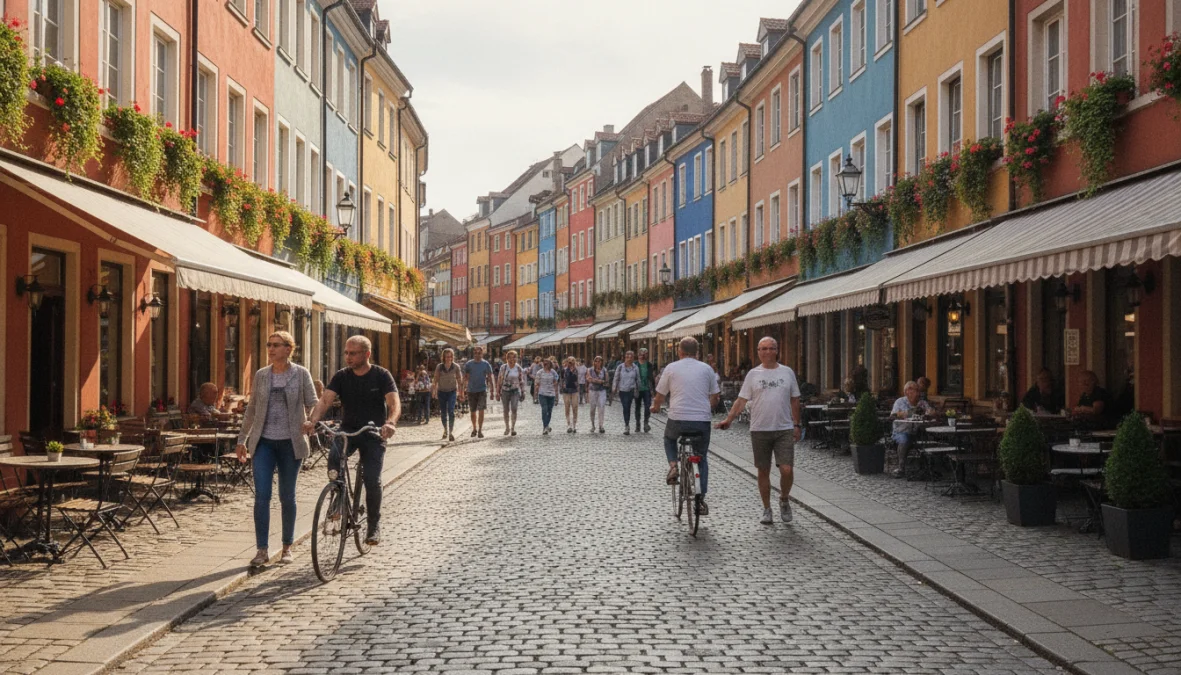
Picture this: narrow cobblestone streets where the only sounds you hear are footsteps, bicycle bells, and the gentle hum of conversation from sidewalk cafés. No honking horns, no exhaust fumes, no dodging traffic while trying to admire centuries-old architecture. Welcome to Europe’s car free cities, where the art of the leisurely weekend stroll isn’t just preserved—it’s celebrated. Whether you’re seeking the ultimate pedestrian friendly european destinations or simply want to experience European culture at a human pace, these walkable havens offer something increasingly rare in our modern world: the freedom to wander without worry.
Why Car-Free Cities Are Europe’s Best Weekend Destinations
The growing number of car free cities europe has to offer isn’t just a trend—it’s a revolution in how we experience urban spaces. For weekend travelers, these traffic free cities deliver an authenticity that’s hard to find in car-dominated destinations. Without vehicles dominating every street, you actually see the architecture, hear the street musicians, and smell the bakeries instead of exhaust pipes.
Beyond the sensory benefits, pedestrian friendly european destinations remove the stress of navigating foreign driving laws, parking nightmares, and rental car costs. You arrive by train or plane, step into the pedestrian zones, and immediately start your vacation. Studies show that tourists in walkable cities spend more time exploring and less time frustrated—exactly what you want from a short break. The environmental benefits are a bonus: car free zones europe typically boast cleaner air, quieter streets, and a noticeably more relaxed atmosphere. For solo travelers especially, these destinations offer unmatched safety and opportunities to connect with locals—check out our guide to best European cities for solo weekend travel for more inspiration.
Top Car-Free and Pedestrian-Only Cities in Europe
Ready to explore the best cities without cars? Here are the destinations where pedestrian power reigns supreme, each offering unique weekend experiences that prove wheels are overrated.
Completely Car-Free Destinations
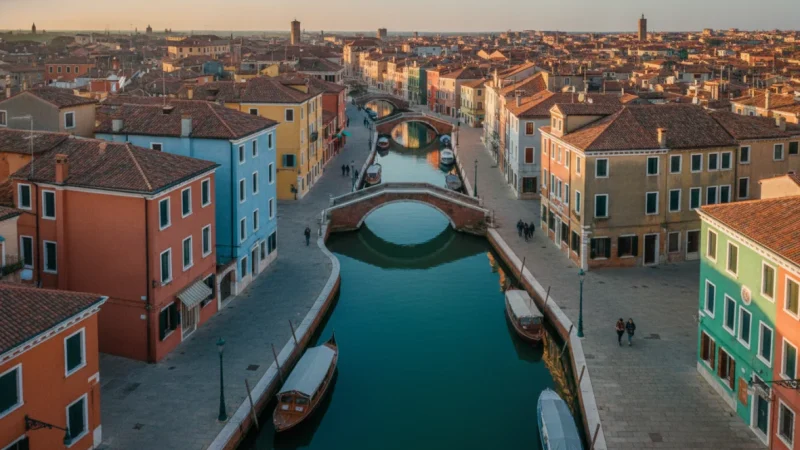
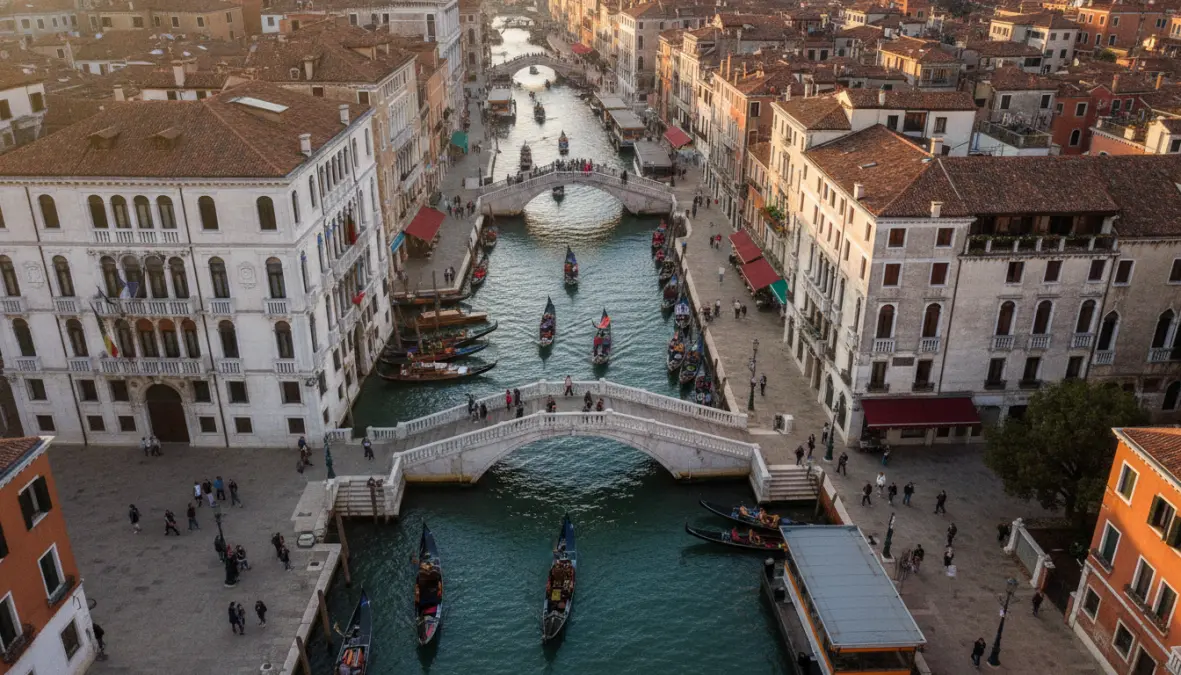
Venice, Italy remains the ultimate car free cities europe experience. This floating masterpiece has never allowed cars—canals replace roads, and gondolas substitute for taxis. Spend your weekend getting gloriously lost in the labyrinth of old town centers, crossing countless bridges, and discovering hidden squares where locals gather. The entire city is your pedestrian playground, making it one of the best car free cities for weekend trips.
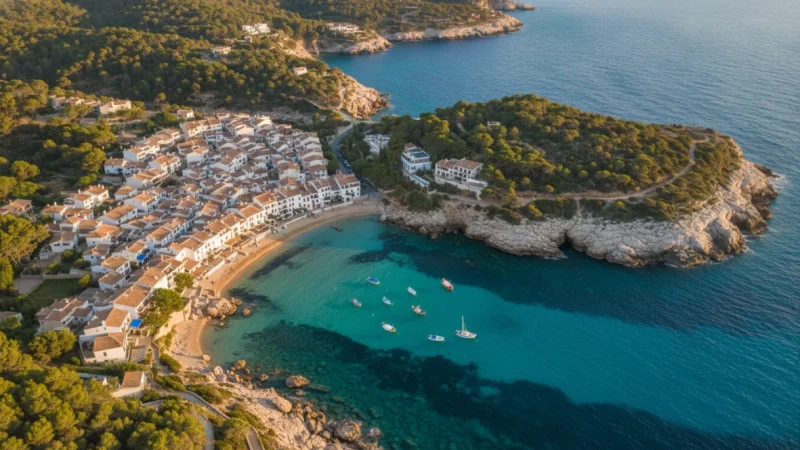
Hydra, Greece takes car-free living to a sun-drenched Mediterranean level. This island paradise banned motorized vehicles decades ago, leaving only donkeys, bicycles, and your own two feet as transportation. The harbor town’s whitewashed buildings cascading down to azure waters create an incredibly peaceful atmosphere. It’s a perfect car free weekend getaway in europe for those seeking tranquility—learn more about island escapes in our European island weekends guide.
Zermatt, Switzerland sits at the foot of the Matterhorn and permits only electric vehicles and horse-drawn carriages. The alpine air stays crisp and clean, and the sound of cowbells replaces car engines. This makes it one of the most unique pedestrian only cities europe offers, combining sustainable tourism with spectacular mountain scenery.
Cities with Extensive Pedestrian-Only Zones
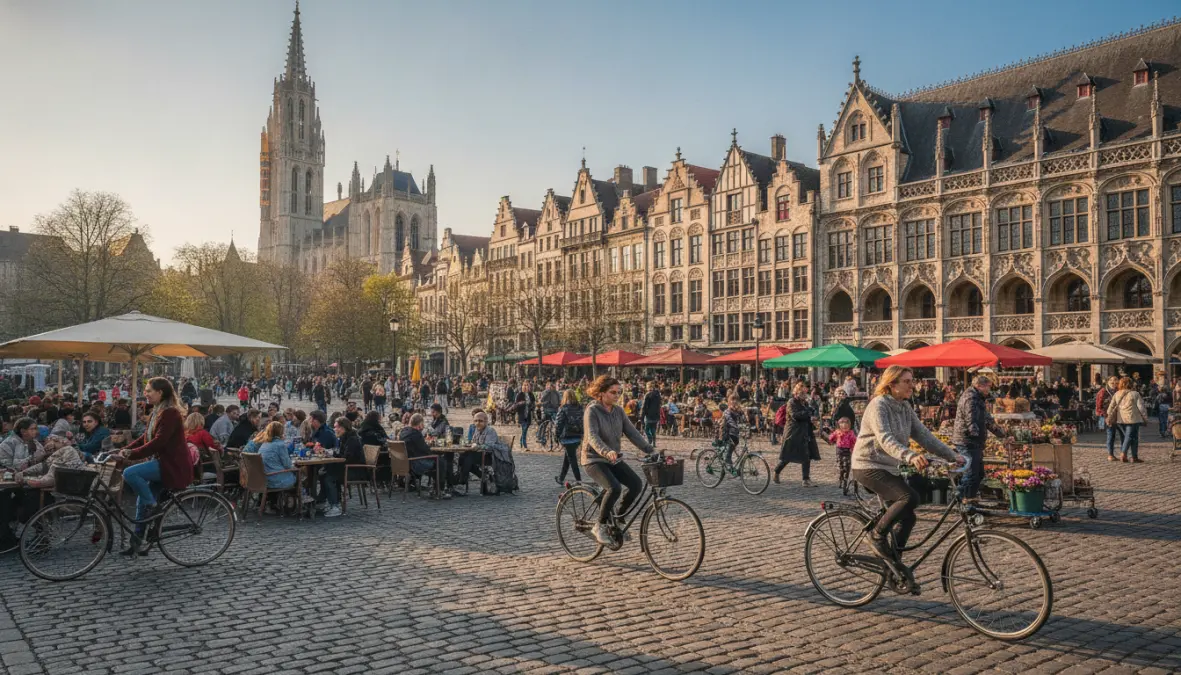
Ghent, Belgium boasts one of Europe’s largest car-free city centers, transforming its medieval heart into a pedestrian paradise. The city’s progressive urban mobility policies have created over 35 hectares of pedestrian zones, where canal-side cafés and historic guild houses flourish without traffic. It’s a fantastic destination for architecture enthusiasts who want to admire buildings without dodging cars.
Pontevedra, Spain has become the poster child for urban pedestrianization. This Galician gem transformed from a traffic-choked nightmare into one of the most walkable european cities for tourists through bold leadership. Today, 300,000 square meters of cobblestone streets welcome only foot traffic, creating a vibrant social atmosphere that’s earned international acclaim as a model of sustainable tourism.
Copenhagen, Denmark features the famous Strøget pedestrian street and extensive car-free zones throughout its historic center. The city’s legendary cycling infrastructure means you can explore car-free areas by bike or on foot. Combined with world-class public transportation, it’s one of the european cities with pedestrian only zones that makes car ownership feel completely unnecessary.
Dubrovnik, Croatia protects its stunning UNESCO-listed old town from vehicle traffic. Walking the ancient city walls and marble-paved streets without cars reveals why it’s considered one of the best pedestrian cities in europe for walking tours. The medieval core becomes especially magical in early morning before cruise ship crowds arrive—consider visiting during shoulder season as covered in our March travel guide.
Planning Your Car-Free European Weekend: Practical Tips
Visiting walkable european cities requires slightly different planning than typical trips. First, embrace train travel—Europe’s rail network connects most pedestrian friendly european destinations beautifully. For further-flung islands like Hydra, budget airlines get you close before ferries complete the journey (check our budget airlines comparison for deals).
Book accommodations in or near pedestrian zones to maximize your car-free experience. These central locations might cost slightly more, but you’ll save on transportation and time. Pack comfortable walking shoes—seriously, this isn’t negotiable when exploring cobblestone streets for hours. Many green cities also offer excellent bike-sharing programs, so consider combining cycling with walking.
Spring and fall offer ideal conditions for where to visit car free destinations in europe, with pleasant temperatures for all-day walking. Our spring weekend getaways guide highlights perfect timing. Most pedestrian cities have superb public transportation (trams, metros, buses) for reaching neighborhoods beyond the car-free zones, so grab a transit pass upon arrival.
Finally, join a walking tour on your first day—many cities offer free options (see our complete guide to free walking tours). Guides help you navigate old town centers efficiently while sharing history you’d otherwise miss.
FAQ: Car-Free Cities in Europe
Which European city is completely car-free? Venice is Europe’s most famous completely car-free city, with canals replacing roads entirely. Hydra island and Zermatt also ban conventional cars, though Zermatt allows small electric vehicles.
Are there entire cities in Europe that ban cars? Few entire cities ban cars completely, but many european cities ban cars from city center areas. Pontevedra, Ghent, and Copenhagen have extensive pedestrian-only historic centers while allowing cars in outer districts.
What is the most walkable city in Europe? Copenhagen, Florence, and Prague consistently rank among the most walkable, though smaller destinations like Ghent and Pontevedra offer equally impressive pedestrian experiences with less tourist congestion.
How do you get around in car-free European cities? Walking is primary, supplemented by excellent public transportation systems including metros, trams, and buses. Many also offer bike-sharing programs and, in Venice’s case, water buses (vaporetti).
Can you visit Venice without taking a car? Yes—in fact, you must visit Venice without a car since they’re banned. Park on the mainland in Mestre or arrive by train directly to Santa Lucia station in the city center.
Europe’s car-free cities prove that the best way to discover a destination is often the oldest: on foot. These traffic free cities offer weekend travelers a chance to slow down, breathe cleaner air, and experience urban life as it was meant to be—human-scaled and unhurried. Whether you choose a completely car-free island like Hydra or a historic center like Ghent’s pedestrian zone, you’ll return home with sore feet, full camera rolls, and memories of Europe at its most authentic. Your next weekend escape is calling—and it sounds like footsteps on cobblestones, not car horns in traffic.