Best Canal Cities in Europe: Hidden Gems Beyond Venice, Amsterdam, and Bruges
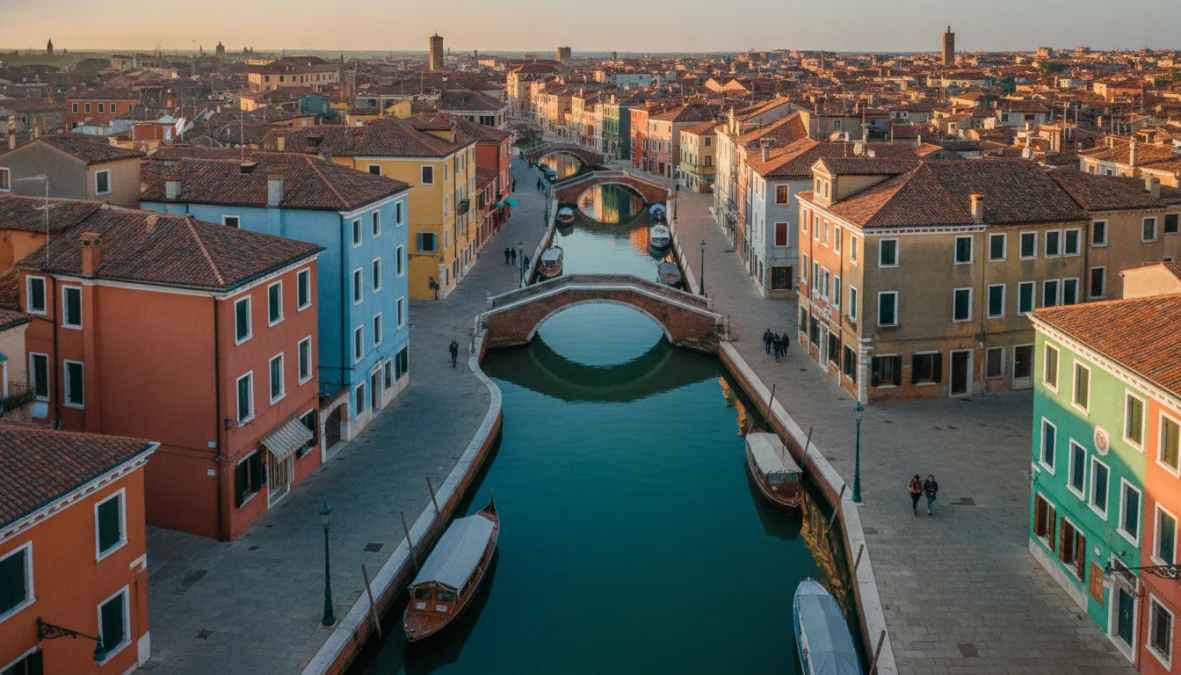
Picture this: you’re gliding down a peaceful waterway, historic bridges arching overhead, colorful houses reflecting in the water below. Sound familiar? While Venice, Amsterdam, and Bruges immediately spring to mind when thinking about canal cities Europe has to offer, these iconic destinations are drowning in tourists—literally and figuratively. But here’s the good news: Europe is brimming with equally charming waterway cities where you can experience the same magic without the crowds.
Why Explore Lesser-Known European Canal Cities
Let’s be honest: Venice is sinking under the weight of cruise ship tourists, Amsterdam’s canals are packed with selfie-stick wielding visitors bumping into cyclists, and Bruges feels more like a theme park than a living city during peak season. Overtourism isn’t just ruining the experience for travelers—it’s threatening the very fabric of these historic communities.
That’s where european cities with canals beyond the big three come in. These lesser-known destinations offer something their famous counterparts increasingly can’t: authenticity. You’ll find locals actually living their lives along the waterways, restaurants serving regional cuisine at reasonable prices, and the chance to enjoy a boat tour without being sardined into a vessel with fifty other people.
The financial benefits are significant too. While a weekend in Venice can drain your wallet faster than you can say “acqua alta,” many cheapest canal cities to visit in Europe offer comparable charm at a fraction of the cost. Plus, you’ll contribute to spreading tourism more sustainably across the continent, helping preserve cultural heritage while supporting communities that genuinely welcome visitors. If you’re looking for hidden canal cities in Europe, you’re in for a treat—and your Instagram followers won’t have seen these spots a thousand times before.
Hidden Canal Cities Worth Visiting
Ready to discover some seriously underrated canal towns Europe keeps tucked away? These destinations prove that the continent’s waterway magic extends far beyond the usual suspects. Each offers its own unique flavor, from fairy-tale villages to industrial-chic urban centers that have brilliantly repurposed their historic canals.
Western European Waterway Gems
If you’re seeking Amsterdam alternatives, look no further than Utrecht in the Netherlands. This university city features double-level canals with wharf cellars that now house quirky cafes and restaurants right at water level—something Amsterdam doesn’t have. The atmosphere is relaxed, student-friendly, and decidedly less touristy. Just 30 minutes from Amsterdam by train, it makes for a perfect solo weekend escape.
For something truly unique, Giethoorn in the Dutch countryside earns its nickname “the Venice of the North” honestly. This village has no roads in its old center—only canals, footpaths, and historic bridges. Transportation happens via whisper-quiet electric boats or traditional punts. It’s pure storybook material, especially during autumn when the thatched-roof farmhouses are surrounded by golden foliage.
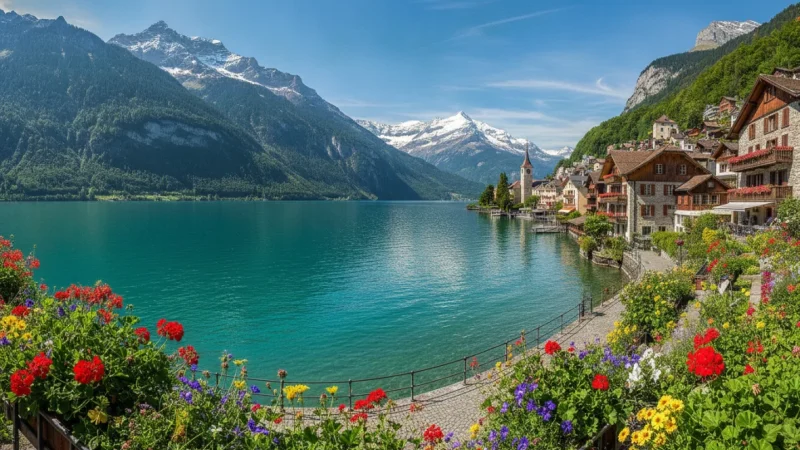
Over in France, Annecy nestles at the edge of a crystalline alpine lake, its medieval old town crisscrossed by canals fed by the Thiou River. The pastel-colored houses and flower-draped bridges create a romantic atmosphere that rivals any Bruges alternative. Spring and early summer are ideal for visiting when the flowers are in bloom and the mountain backdrop is still snow-capped.
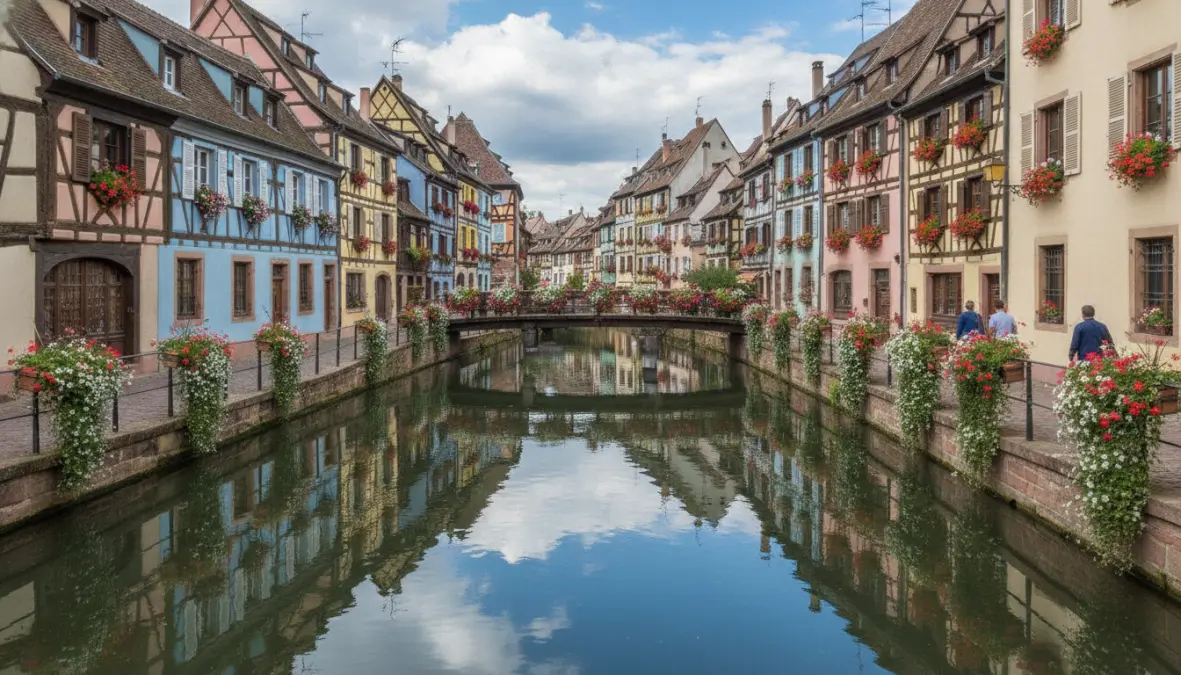
Colmar in France’s Alsace region delivers half-timbered medieval architecture straight from a fairy tale. The “Little Venice” quarter features traditional houses reflected in calm waters, and the town remains refreshingly authentic despite its beauty. Meanwhile, Strasbourg offers a more urban canal experience, with the Grande Île district showcasing both French and German influences along its waterways—a fascinating blend that earned it UNESCO World Heritage status.
Surprising Canal Destinations in Central and Southern Europe
Think you need to head north for european canal destinations? Think again. Hamburg, Germany’s second-largest city, boasts more bridges than Venice and Amsterdam combined—over 2,500 of them. The Speicherstadt warehouse district features red-brick buildings rising from the water, creating an industrial-romantic vibe that’s utterly unique. It’s particularly atmospheric at night when the bridges illuminate the canals below.
Here’s a shocker: Birmingham, England’s second city, has more canal miles than Venice. The Industrial Revolution left behind a network of waterways that have been brilliantly revitalized. Gas Street Basin buzzes with narrowboats, waterside pubs, and converted warehouses hosting galleries and restaurants. It’s gritty, authentic, and a completely different canal experience that combines urban exploration with water transport history. For architecture lovers, this industrial heritage is fascinating.
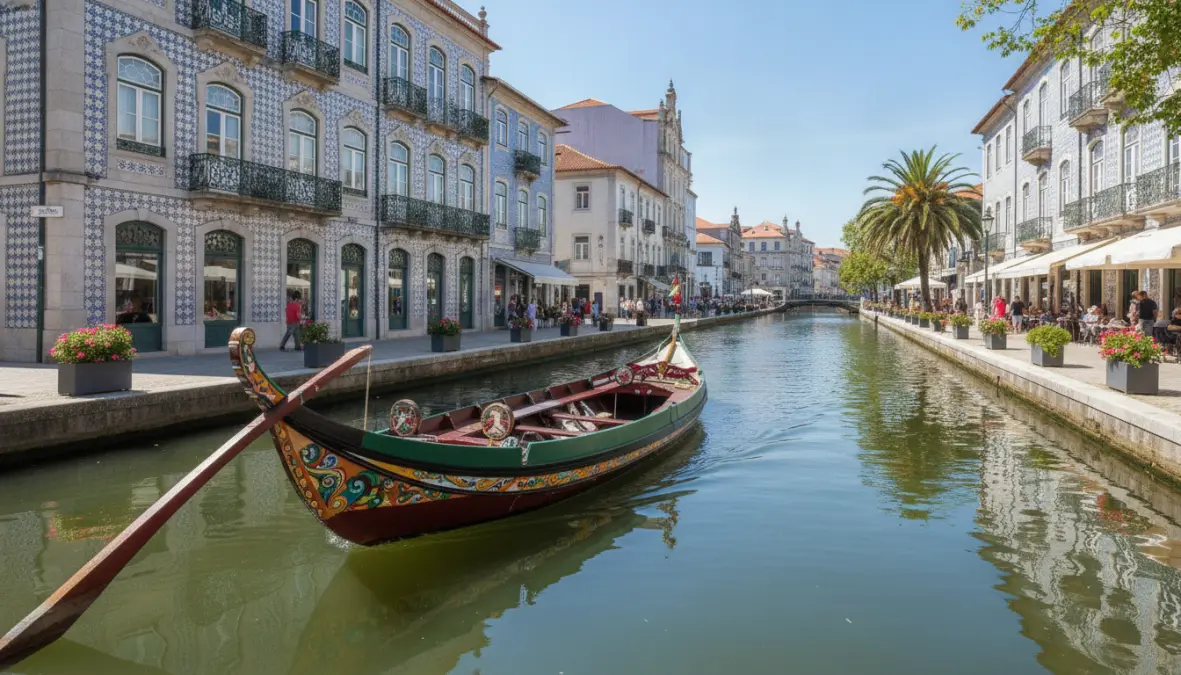
Looking for Venice alternatives with sunshine? Aveiro in Portugal delivers colorful moliceiro boats (similar to gondolas) gliding through canals lined with Art Nouveau buildings. The Atlantic coast location means fresh seafood, and the nearby beach town of Costa Nova adds striped houses to your photo collection. It’s one of the best canal cities in Europe besides Venice for combining waterways with coastal charm.
Even Italy has alternatives: Livorno in Tuscany features Venetian-style canals minus the tourist chaos. The Quartiere Venezia (Venice Quarter) was designed in the 17th century with canals and bridges, offering an authentic Italian canal experience where you’ll hear more Italian than English—a rarity these days.
Planning Your European Canal City Adventure
Choosing which canal cities Europe to visit depends on your interests. Architecture enthusiasts will love Strasbourg’s blend of styles and Birmingham’s industrial heritage. Photographers should target Annecy and Colmar during spring or early autumn when lighting conditions are ideal. Food lovers can’t miss Aveiro for seafood or Colmar for Alsatian cuisine.
Timing matters for waterway cities Europe. Spring (April-May) offers blooming flowers and moderate crowds, while September-October provides golden light and comfortable temperatures. Avoid July-August unless you’re heading to Hamburg or Birmingham, which handle summer tourism better than smaller canal towns. For specific spring recommendations, check out cities perfect for March visits.
When it comes to exploring, mix boat tours with walking. Most of these cities are compact enough to explore on foot, but a canal cruise provides perspectives you simply can’t get from bridges. In Giethoorn, rent your own electric boat for complete freedom. Utrecht offers excellent walking tour options that include canal-side routes.
Budget-conscious travelers can combine several lesser known canal towns in Europe into one trip. Utrecht and Giethoorn pair perfectly in the Netherlands, while Colmar and Strasbourg make an easy Alsace duo. Use budget airlines to reach regional airports, then explore by train—most of these cities have excellent rail connections.
The beauty of these hidden gems is that they remain wonderfully livable cities and towns, not open-air museums. You’ll experience european cities with canals as they’re meant to be: places where people live, work, and gather along historic waterways that have sustained communities for centuries. So skip the overcrowded gondolas and tourist-trap restaurants of the famous three, and discover the romantic canal cities Europe hasn’t plastered all over every travel brochure. Your future self—and your wallet—will thank you.