Best Budget Weekend Breaks in Europe: Affordable City Escapes Under €300
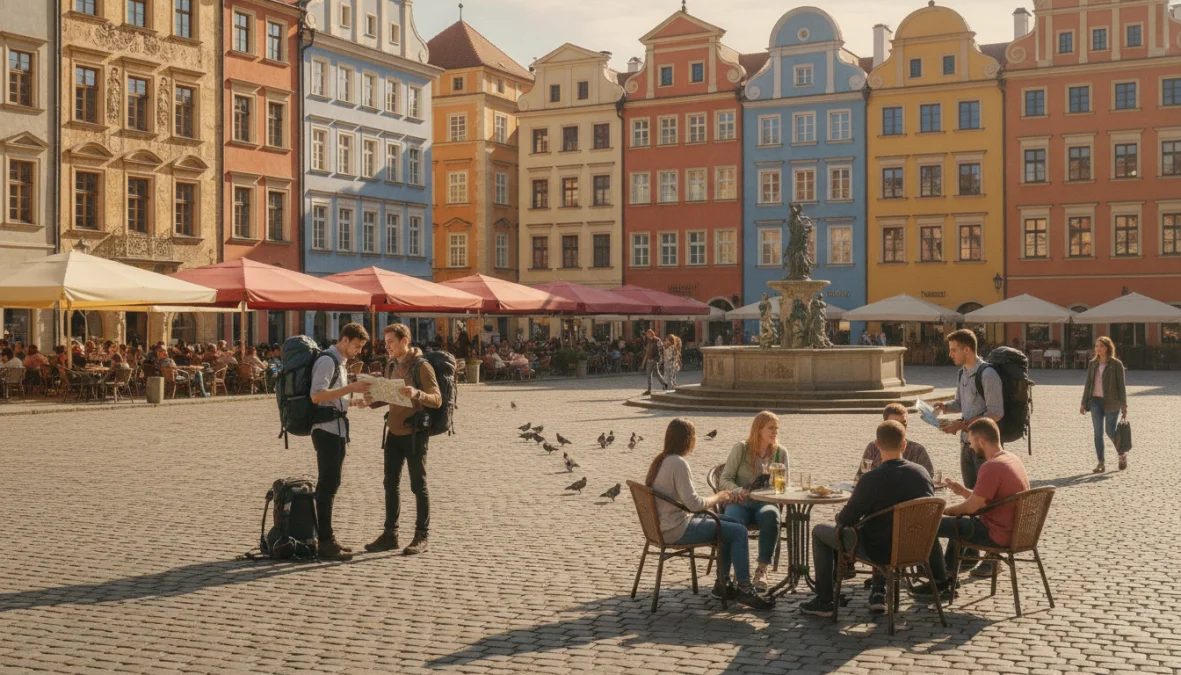
Picture this: you’re sipping espresso in a sun-drenched piazza, exploring medieval streets, or soaking in thermal baths – all without breaking the bank. Europe’s incredible diversity, compact geography, and abundance of budget airlines make it the ultimate playground for budget weekend breaks in Europe. Whether you’re dreaming of Gothic architecture in Eastern Europe or Mediterranean vibes in Portugal, a memorable getaway for under €300 is absolutely achievable with smart planning and insider knowledge.
Why Europe is Perfect for Budget Weekend Breaks
Europe has become a paradise for cheap weekend breaks in Europe, and it’s not hard to see why. The continent’s well-connected transport network means you can hop between countries faster than crossing some US states. Budget carriers have revolutionized travel, offering low cost flights to European cities for as little as €20-50 if you book strategically. Check out our complete comparison of budget airlines to find the best deals.
The Schengen Area eliminates border hassles, letting you maximize your precious weekend hours exploring rather than queuing. Cultural variety is staggering – you can experience completely different cuisines, languages, and architecture within a two-hour flight radius. Off-season city breaks (November-March, excluding Christmas) slash prices by 40-60% on accommodation and flights.
Here’s a realistic €300 budget breakdown: Flights €50-80 (return), accommodation €60-90 (two nights in hostels or budget hotels), food €80-100 (mixing supermarkets with local eateries), transport and attractions €30-50. Book flights on Tuesday/Wednesday for Friday departures, aim for 6-8 weeks ahead for optimal prices, and always compare alternative airports. Flying into Bratislava instead of Vienna or using secondary hubs can save €50-100 instantly.
Top Budget-Friendly European Cities for Weekend Getaways
The secret to affordable European city breaks lies in choosing destinations where your euros stretch furthest. Eastern Europe dominates the budget-friendly rankings, but savvy travelers can find incredible deals in Western and Southern Europe too. These budget city breaks under 300 euros offer rich experiences without the tourist trap pricing.
Eastern European Gems Under €200
Budapest, Hungary remains the undisputed champion of cheap short breaks in Europe. Your €200 budget gets you thermal baths (€15-20), ruin bar hopping in the Jewish Quarter, stunning Parliament views from Fisherman’s Bastion (free exterior), and hearty goulash for €6-8. Stay in District VII for nightlife or District V for central sightseeing. The metro day pass costs just €5, making public transport in European cities incredibly economical.
Kraków, Poland offers medieval charm at medieval prices. Wander the massive Main Square (entirely free), visit Wawel Castle (€10), and take a sobering Auschwitz day trip (€30-40). Accommodation in the Old Town averages €25-35 per night for quality budget accommodation in Europe. Polish pierogi and zapiekanka street food rarely exceed €5 per meal. The compact city center means you’ll walk everywhere, saving on transport entirely.
Tallinn, Estonia combines Nordic charm with Baltic prices. The UNESCO-listed Old Town provides hours of free wandering through cobblestone streets. Museum entry averages €5-8, and the Tallinn Card (€32 for 48 hours) covers public transport and major attractions. Seek out lunch specials in local restaurants for €7-10 three-course meals. Stay just outside the Old Town for accommodation under €30/night with easy walking access.

Western and Southern Europe on a Budget
Porto, Portugal proves that weekend getaways in Europe on the cheap aren’t limited to Eastern Europe. Free port wine cellar tours (you just pay for tastings), stunning riverfront walks along the Douro, and Livraria Lello bookshop (€5 entry, redeemable on purchases) fill your days. Francesinha sandwiches and seafood at Mercado do Bolhão keep meals under €12. Accommodation in Ribeira or Cedofeita averages €35-45/night.
Valencia, Spain offers Mediterranean beaches, futuristic architecture, and authentic paella for €10-15. The City of Arts and Sciences provides stunning photo opportunities (exterior free), while Turia Gardens offers 9km of free parkland. Time your visit for Sunday paella at beachside chiringuitos. Stay in Ruzafa neighborhood for hip vibes and cheap eats in European cities. The 48-hour Valencia Tourist Card (€15) covers transport and museum entry.
Athens, Greece surprises budget travelers with affordable tavernas (€8-12 meals), free archaeological sites every first Sunday of the month, and spectacular sunset views from Lycabettus Hill (free). While the Acropolis costs €20, combining visits strategically with free days or the €30 multi-site ticket maximizes value. Plaka and Monastiraki offer atmospheric wandering and street food. Metro day passes cost just €4.50. For more culturally rich destinations, explore our guide to European city breaks for art lovers.
Smart Money-Saving Tips for Your European Weekend Break
Mastering budget travel tips for Europe transforms good deals into exceptional ones. For flights, use comparison tools like Skyscanner and Google Flights, set price alerts, and consider flying midweek. Tuesday afternoon departures and Sunday evening returns often cost 30-40% less than Friday-Sunday trips. Alternative airports are goldmines – flying to Bergamo instead of Milan or Beauvais instead of Paris slashes costs dramatically.
Accommodation strategy matters enormously. Modern hostel weekend stays aren’t backpacker dorms anymore – private rooms in hostels cost €35-50 and include kitchens, social spaces, and local tips. Book directly with hostels for 10-15% discounts versus booking platforms. Airbnb works best when booking 2+ months ahead. Choose neighborhoods one metro stop from city centers for 40% savings with minimal inconvenience.
Transportation wisdom: buy multi-day public transport passes immediately upon arrival, walk whenever possible (most European city centers are compact), and download essential travel apps for navigation. Free walking tours (tip-based) provide orientation and insider knowledge worth far more than their €5-10 suggested donation.
Food spending crushes budgets fastest. Shop at supermarkets for breakfast and snacks (€10-15 total weekend), eat your main meal at lunch when many restaurants offer menu del día deals (€8-12 for three courses), and explore local markets for authentic, affordable dinners. Street food, bakeries, and university district restaurants offer the best value. Happy hours and aperitivo culture in Southern Europe provide free food with drink purchases.
Maximize free attractions in Europe: most cities offer free walking tour routes, parks, viewpoints, and cathedral exteriors. Many museums have free evening hours weekly. City observation decks in department stores often beat paid viewing platforms. Research city passes carefully – they only save money if you’re aggressive sightseers. If you’re planning trips during warmer months, check our spring weekend getaway guide for seasonal deals.
FAQ: Budget Weekend Breaks in Europe
What is the cheapest European city for a weekend break?
Budapest consistently ranks cheapest, with total weekend costs around €150-180 including flights from major European hubs. Kraków, Belgrade, and Sofia follow closely. Eastern European capitals offer 50-60% lower costs than Western European equivalents while delivering equally rich experiences.
How much should I budget for a weekend in Europe?
€250-300 provides a comfortable weekend in most European cities when traveling smart. This covers budget flights (€50-80), two nights accommodation (€60-90), meals (€80-100), and activities (€30-50). Eastern Europe allows €150-200 budgets, while expensive cities like London or Copenhagen require €400+.
What is the best time to book cheap weekend breaks?
Book flights 6-8 weeks ahead for optimal pricing, avoiding last-minute premiums and too-early uncertainty. Tuesday afternoons statistically offer lowest fares. Accommodation books best 4-6 weeks out. Travel during shoulder seasons (March-May, September-November) for 40% savings versus peak summer, with the added bonus of fewer crowds.
Which European cities have free attractions?
Prague (Charles Bridge, Old Town Square, Petřín Hill), Rome (Trevi Fountain, Pantheon, Spanish Steps), Paris (Sacré-Cœur, Luxembourg Gardens, Notre-Dame exterior), and Barcelona (Park Güell viewpoints, beaches, Gothic Quarter) offer extensive free experiences. Most cities provide free museum days monthly – research before visiting.
Can I do a weekend trip to Europe for under €200?
Absolutely, especially from UK or central European bases. Target Eastern European cities, book flights 2-3 months ahead during sales, choose hostels or budget hotels, self-cater breakfast, and focus on free walking tours and attractions. Budapest, Kraków, Bratislava, and Sofia regularly come in under €180 total for resourceful travelers.
The beauty of budget weekend breaks in Europe lies not in deprivation but in smart choices that prioritize experiences over tourist traps. Whether you’re exploring culinary destinations or alpine escapes, Europe rewards curious, flexible travelers with unforgettable memories that cost far less than you’d imagine. Start planning your next affordable adventure today – your perfect €300 weekend awaits.