Best Shopping Cities Europe: Your Ultimate Fashion and Markets Guide
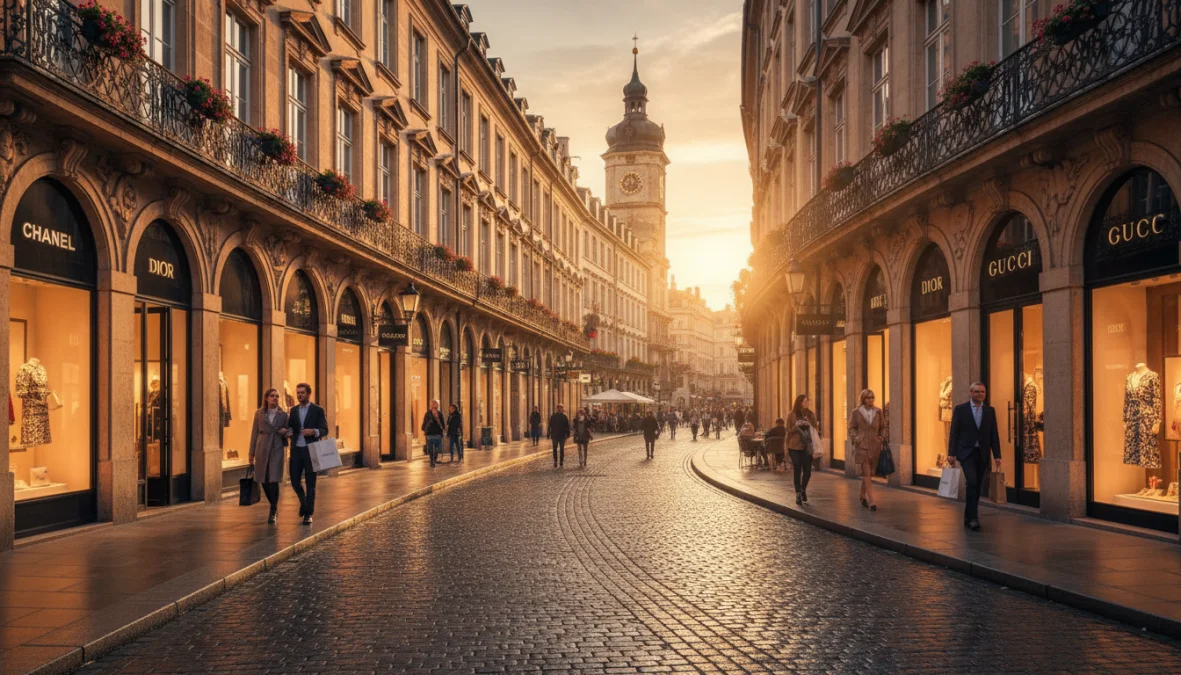
There’s something utterly magical about losing yourself in the cobblestone streets of a European city with a shopping bag in hand and endless possibilities ahead. Whether you’re hunting for haute couture in historic fashion districts, bargaining at bustling flea markets, or discovering emerging designers in hidden boutiques, the best shopping cities Europe has to offer deliver experiences that go far beyond simply swiping your credit card. These destinations blend retail therapy with culture, architecture, and gastronomy—creating weekend breaks that satisfy both your wardrobe and your wanderlust.
Europe’s Premier Shopping Capitals: Where Fashion Meets Culture
When it comes to european fashion capitals, a handful of cities consistently top every fashionista’s bucket list. Paris remains the undisputed queen of haute couture, where historic maisons along Avenue Montaigne and the trendy Le Marais district offer everything from Chanel to cutting-edge Parisian labels. The city’s department stores like Galeries Lafayette aren’t just shopping venues—they’re architectural masterpieces with rooftop views worth the trip alone.
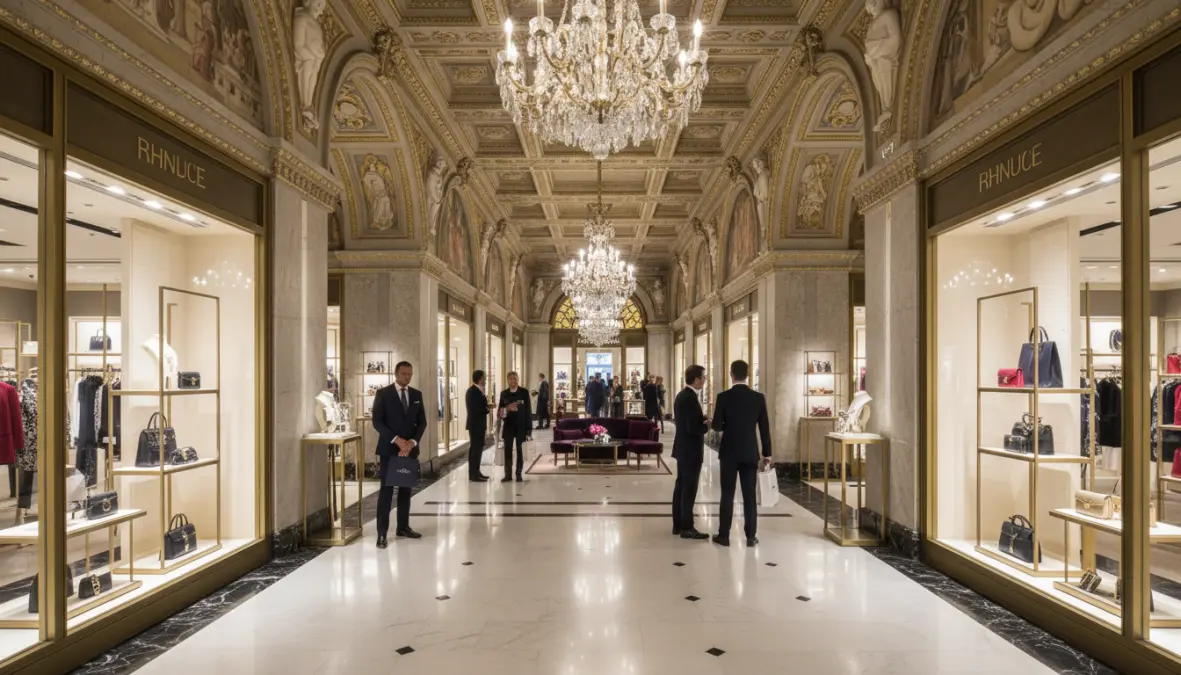
Milan embodies Italian luxury at its finest. The Quadrilatero della Moda (Fashion Quadrilateral) surrounding Via Montenapoleone houses flagship stores from Prada, Gucci, and Versace, while the historic Galleria Vittorio Emanuele II offers luxury shopping under stunning 19th-century glass domes. For those seeking luxury shopping cities europe can offer, Milan delivers sophistication in every window display.
London brilliantly marries vintage treasures with contemporary design. From the high-end boutiques of Bond Street to the eclectic vintage stalls at Portobello Road, the city caters to every aesthetic and budget. Meanwhile, Barcelona surprises with its blend of international brands along Passeig de Gràcia and vibrant local markets like Els Encants, where you’ll find everything from antiques to emerging Catalan designers.
Berlin offers alternative fashion and sustainable style, with concept stores in Kreuzberg and Prenzlauer Berg showcasing independent designers. The city’s famous flea markets, particularly Mauerpark on Sundays, attract vintage hunters from across Europe. Amsterdam rounds out the list with its focus on design and Dutch minimalism—the Nine Streets (De Negen Straatjes) feature curated boutiques selling everything from artisan jewelry to sustainable fashion. Spring and early autumn are ideal for europe shopping weekend trips, offering pleasant weather and fewer crowds than peak summer.
Planning Your Perfect Europe Shopping Weekend
Choosing among the best cities for shopping in europe depends largely on your budget and shopping priorities. Paris and Milan cater to luxury seekers, while Berlin, Lisbon, and certain districts in Amsterdam offer affordable shopping cities in europe experiences without sacrificing style. If you’re wondering where to go shopping in europe for a weekend, consider what you’re hunting for: designer labels, vintage pieces, or local artisan goods.
Timing matters tremendously. European sales periods in January and July offer discounts up to 70% at major retailers, while Black Friday has increasingly become a European phenomenon. If you’re planning shopping breaks europe style, aim for 2-3 days to properly explore a city’s retail landscape without rushing. Focus on one or two main shopping districts per day, allowing time to wander side streets where the best boutiques often hide.
Transportation between shopping quarters is crucial—most European cities have excellent public transit, but comfortable shoes are non-negotiable. For weekend shopping trips in europe from uk, budget airlines make cities like Paris, Amsterdam, and Barcelona accessible for quick breaks. Check out our guide on best budget airlines for European short breaks to find the most economical flight options.
Don’t forget practical considerations: VAT refund services are available for non-EU tourists (typically 12-20% back on purchases over certain thresholds), shopping hours vary by country (many European shops close Sundays), and luggage space becomes precious—consider shipping larger purchases home or packing an extra foldable bag. Tools like those mentioned in our best travel apps guide can help you navigate store locations and opening hours efficiently.
From Luxury Boutiques to Local Markets: What to Shop Where
The beauty of european shopping destinations lies in their diversity. Whether you’re drawn to polished boutiques and department stores or prefer rummaging through vintage markets and flea markets, Europe delivers specialized shopping experiences you won’t find anywhere else.
Luxury Fashion Districts and Designer Shopping
For those seeking the pinnacle of fashion shopping europe offers, certain streets are practically pilgrimage sites. Milan’s Via Montenapoleone forms the heart of the Fashion Quadrilateral, where marble-floored flagship stores showcase the latest collections before they hit anywhere else globally. Paris counters with the Champs-Élysées for mainstream luxury and Le Marais for avant-garde labels, while the historic department store Galeries Lafayette offers everything under one ornate roof.
London’s Bond Street remains synonymous with British luxury and international designer outlets, housing everyone from Burberry to Tiffany & Co. Barcelona’s Passeig de Gràcia combines Gaudí architecture with high-end retail—shop at luxury boutiques then admire Casa Batlló. Many fashion districts also offer personal shopping services and private appointments at flagship stores, especially during major fashion weeks. The iconic department stores like Harrods in London and La Rinascente in Milan aren’t just shopping venues—they’re cultural institutions offering curated selections, gourmet food halls, and rooftop restaurants perfect for breaks between purchases.
Markets, Vintage Finds, and Hidden Gems
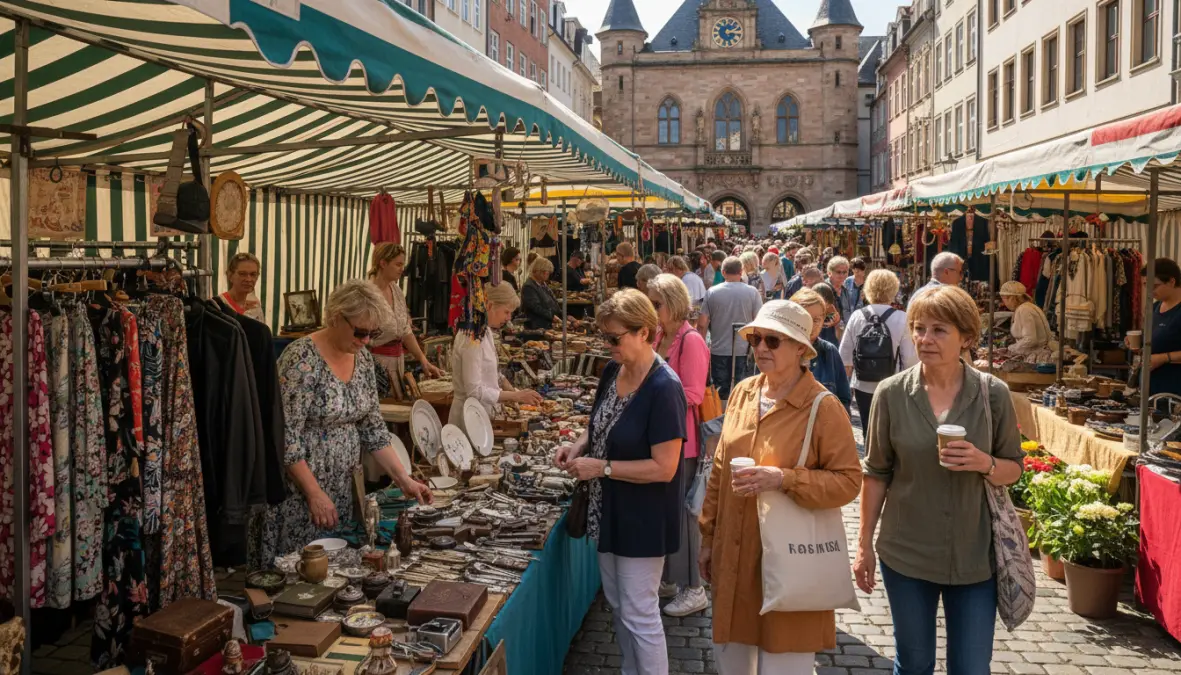
If you’re among the best european cities for street markets and shopping enthusiasts, prepare for treasure hunting at its finest. London’s Portobello Road Market transforms the neighborhood every Saturday with antiques, vintage clothing, and collectibles. Berlin’s Mauerpark Flea Market on Sundays offers everything from GDR memorabilia to handmade jewelry, with karaoke in the park as entertainment between browsing.
Barcelona’s Els Encants, one of Europe’s oldest markets, sprawls under a distinctive mirrored canopy with secondhand goods, antiques, and surprising finds. Paris’s Marché aux Puces de Saint-Ouen is actually several markets combined, spanning 7 hectares with over 2,000 vendors—arrive early Saturday or Sunday for the best selection. Amsterdam’s IJ-Hallen, Europe’s largest flea market, opens only once monthly but offers unparalleled vintage shopping across a massive warehouse space.
These markets champion sustainable shopping and unique pieces you won’t find in chain stores. Local artisan markets have also emerged in concept stores and weekend pop-ups across European capitals, showcasing emerging designers and local craftsmanship. Pro tip: cash often gets better prices at markets, and visiting in the first hour or final 30 minutes can yield the best deals as vendors are more willing to negotiate. Combine your shopping adventure with cultural experiences using our solo weekend travel guide for maximizing your European city break.
FAQ: European Shopping Weekend Essentials
Which European city is best for luxury shopping?
Paris and Milan consistently rank as the best european cities for luxury shopping, offering the widest selection of haute couture, flagship designer stores, and exclusive collections. Paris edges ahead for variety and iconic department stores, while Milan offers a more concentrated luxury district perfect for a focused shopping day.
What is the cheapest city in Europe for shopping?
Berlin, Lisbon, and Prague offer the most affordable shopping cities in europe experiences, with excellent vintage markets, emerging local designers, and lower price points on both international brands and unique finds. Berlin’s flea markets and concept stores provide exceptional value for style-conscious budget shoppers.
When are the best sales in Europe?
European sales periods occur primarily in January (winter sales) and July (summer sales), with discounts ranging from 30-70%. Black Friday in late November has also become increasingly popular. For the best selection, shop during the first week of sales; for deepest discounts, wait until the final week.
Can I get tax refund when shopping in Europe?
Non-EU residents can claim VAT refunds (typically 12-20%) on purchases exceeding certain thresholds (usually €50-100, varying by country). Request a tax-free form at participating stores, keep receipts, and process the refund at the airport before departure. Allow extra time at the airport for this process.
How much should I budget for a shopping weekend in Europe?
Budget €500-1000 for accommodation, meals, and moderate shopping in cities like Paris or Milan; €300-600 covers similar experiences in Berlin or Lisbon. Luxury shopping requires additional budget, while market-focused trips can be done for less. Don’t forget to factor in transportation costs—check our last-minute deals guide for budget-friendly options.
Whether you’re drawn to the glittering windows of shopping streets and boulevards in Paris or the bohemian charm of Berlin’s flea markets, Europe’s retail therapy destinations offer shopping experiences that transform a simple weekend break into an unforgettable adventure. Pack light, wear comfortable shoes, and prepare to discover not just fashion, but the unique character each European city brings to the art of shopping. After all, the best souvenirs are the ones that tell a story—and every purchase in these magnificent cities comes with one.