Best Beach Cities in Europe: Urban Coast Weekend Combinations Worth Visiting
Picture this: sipping a morning espresso in a bustling European plaza, exploring centuries-old architecture by midday, and plunging into crystal-clear Mediterranean waters by afternoon. This isn’t fantasy—it’s the magic of beach cities in Europe, where urban sophistication meets coastal bliss. Unlike remote beach resorts or landlocked capitals, these destinations deliver the complete package: culture, cuisine, nightlife, and sun-soaked shores, all within a compact weekend escape.
Why Beach Cities Europe Offer the Perfect Weekend Escape
European beach cities represent the ultimate travel hack for weekend warriors. Unlike isolated beach resorts where you’re confined to hotel grounds, or magnificent landlocked cities where the closest water is a fountain, these urban coastal gems let you have your cake and eat it too—or rather, enjoy your gelato while sand is still between your toes.
The accessibility factor alone makes beach cities Europe ideal for short breaks. Major coastal hubs like Barcelona, Lisbon, and Nice enjoy excellent flight connections from across the continent and beyond, with budget carriers making weekend trips increasingly affordable. Check out our complete guide to budget airlines to maximize your travel budget.
The beauty of these urban coast weekend combinations lies in their versatility. Couples can alternate between romantic beachfront dinners and exploring Gothic quarters. Families appreciate the variety—museums when kids get too much sun, beaches when they need to burn energy. Solo travelers find both the social buzz of city life and peaceful beach moments for reflection. For more solo travel inspiration, explore our top destinations for independent explorers.
These destinations also offer practical advantages: public transport connecting urban centers to beaches, diverse accommodation options from beachfront boutiques to historic old town hotels, and the ability to adjust plans based on weather—rainy day? Hit the museums. Sunny? Beach it is.
Top European Beach Cities for Urban Coastal Experiences
The diversity of European beach cities means there’s something for every preference, from Mediterranean warmth to Atlantic drama. Here are the standout destinations that masterfully blend city buzz with beach relaxation.
Barcelona tops most lists for good reason. This Catalan capital delivers Gaudí’s architectural genius alongside nearly 5 kilometers of urban beaches. Barceloneta beach sits just 15 minutes from Las Ramblas, making it ridiculously easy to combine Sagrada Família visits with sunset swims. Best visited May-June or September-October when crowds thin but weather stays gorgeous. Foodies will love exploring the culinary scene—check our guide to European food destinations.
Lisbon offers something different: while technically on the Tagus estuary, the nearby coastal towns of Cascais and Estoril are just 30 minutes by train, combining the Portuguese capital’s hills, trams, and pastéis de nata with genuine Atlantic beaches. The laid-back vibe and affordable prices make it perfect for budget-conscious weekenders.
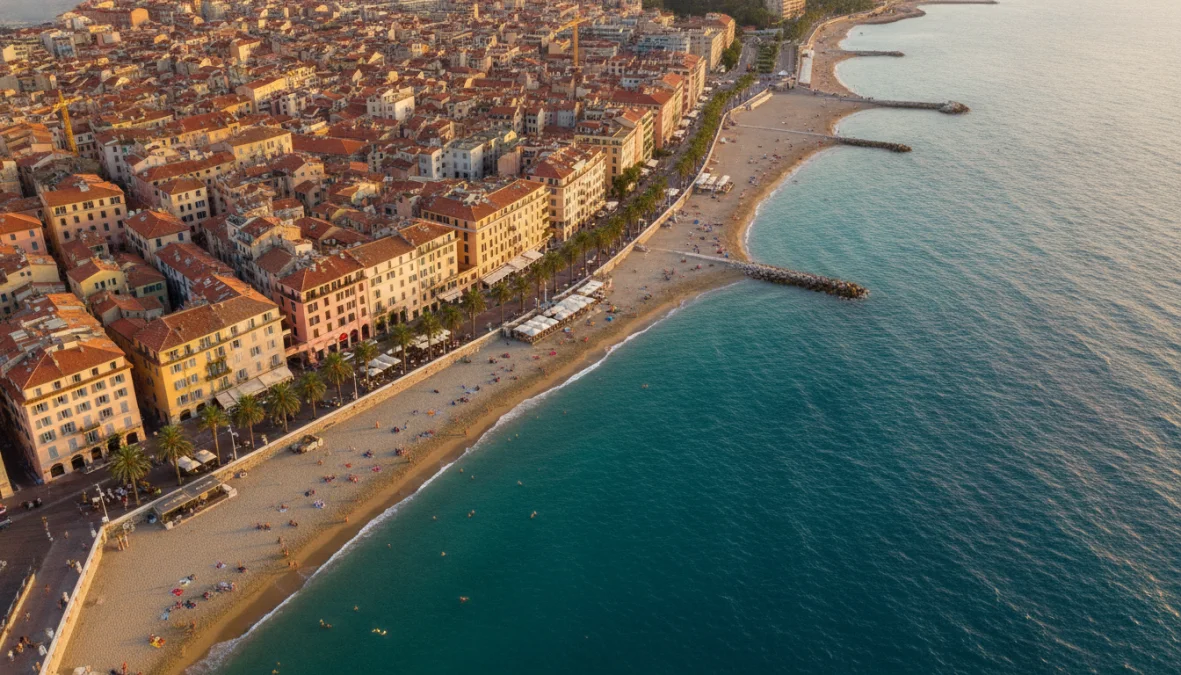
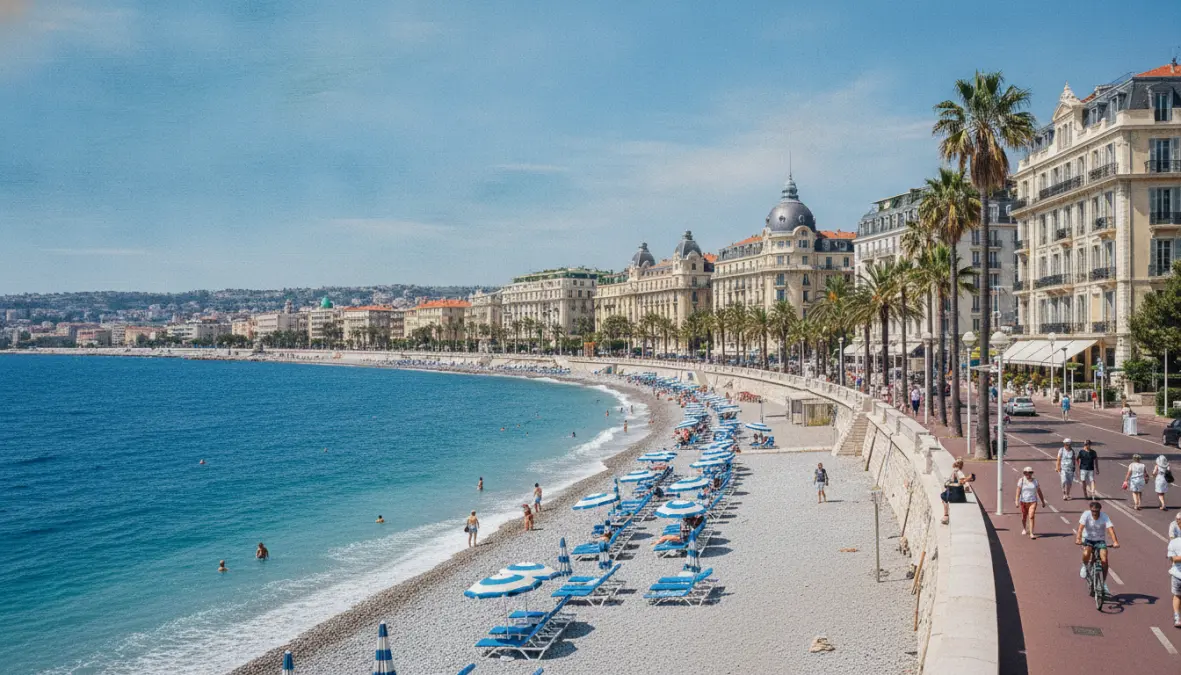
Nice epitomizes French Riviera elegance. The Promenade des Anglais stretches along pebble beaches with the Mediterranean sparkling beside Belle Époque buildings. While pricier than some alternatives, the combination of world-class museums, incredible dining, and that unmistakable Côte d’Azur glamour justifies the splurge. Peak season is July-August, but spring and fall offer better value.
Split in Croatia delivers ancient Roman heritage—literally built inside Diocletian’s Palace—with stunning Dalmatian coast beaches. It’s become increasingly popular yet remains more affordable than Western European alternatives. The nearby islands add bonus day-trip potential. June and September offer ideal weather without peak-season crowds.
San Sebastián combines Basque culture, world-renowned pintxos bars, and beautiful La Concha beach, often ranked among Europe’s finest urban beaches. This Bay of Biscay gem works year-round, though swimming is really only comfortable June-September. The compact old town and beachfront are entirely walkable.
Copenhagen surprises many—yes, it’s a beach city! Amager Strandpark offers sandy beaches just minutes from the city center, and locals actually swim June-August. Combine Nordic design, cycling culture, and innovative cuisine with unexpected coastal moments. For architecture lovers, our architecture destinations guide includes Copenhagen’s highlights.
Valencia often gets overlooked between Madrid and Barcelona, but this Spanish gem offers futuristic architecture, authentic paella, and Malvarrosa beach stretching along the city’s edge. It’s less touristy than Barcelona with similar climate advantages—ideal March through October.
Planning Your European Beach City Weekend
Maximizing a beach cities weekend requires strategic planning. The key is balance—don’t try to do everything or you’ll spend your entire trip exhausted.
For a classic Friday-to-Sunday break, structure it this way: arrive Friday evening and explore the neighborhood around your accommodation, getting oriented with dinner and drinks. Saturday morning, tackle major cultural sights when you’re fresh—museums, historic quarters, architectural highlights. Consider joining a free walking tour for orientation and insider tips. Saturday afternoon and evening? Beach time, followed by waterfront dining. Sunday, enjoy a leisurely beach morning before departure, or reverse it with more sightseeing if weather doesn’t cooperate.
Timing matters enormously. May-June and September-October represent the sweet spot for most Mediterranean destinations—warm enough for swimming, fewer crowds, better prices. March can work beautifully for some cities; check our March travel guide for specific recommendations. Atlantic coast cities like Lisbon and San Sebastián offer year-round urban appeal, though swimming is seasonal.
Accommodation location is crucial. Staying near the beach offers easy morning swims and sunset views but might distance you from nightlife and cultural attractions. Central old town locations mean more walking to beaches but better evening access. Many beach cities have well-connected public transport—Barcelona’s metro, Valencia’s tram, Lisbon’s trains—making location less critical if you don’t mind short rides.
Pack smart for the dual nature of these trips: beach essentials (swimwear, sunscreen, sunglasses, light towel) plus comfortable walking shoes, modest clothing for churches and upscale restaurants, and a light jacket for evening breezes. A day pack that can handle both guidebooks and wet swimsuits is essential.
Budget-wise, expect €300-600 per person for a weekend including flights, accommodation, meals, and activities, varying significantly by destination and season. Coastal cities like Split and Valencia offer better value than Nice or Barcelona.
FAQ
What’s the best beach city in Europe for a weekend?
Barcelona leads for first-timers thanks to its unbeatable combination of beaches, architecture, food, and nightlife, all with excellent transport connections. However, “best” depends on preferences—Lisbon wins for affordability, Nice for glamour, Split for history.
When is the best time to visit European beach cities?
Late May through June and September through early October offer ideal conditions: warm weather, swimmable seas, manageable crowds, and reasonable prices. Avoid July-August peak season unless you don’t mind crowds and premium prices.
Can you swim year-round in European beach cities?
Only in the warmest Mediterranean locations like southern Spain, Cyprus, or Malta. Most European beach cities have comfortable swimming May-September, with shoulder months (April, October) possible for brave souls. Check specific water temperatures before planning winter beach trips.
Which European beach cities have beaches closest to the city center?
Barcelona’s Barceloneta, Nice’s Promenade des Anglais beaches, and San Sebastián’s La Concha are all within walking distance of historic centers. Split’s beaches literally border the old town. Copenhagen’s Amager beach requires a short metro ride.
What’s a realistic budget for a beach city weekend?
Budget travelers can manage on €250-350 with hostels and budget airlines. Mid-range travelers should expect €400-600, while luxury seekers in places like Nice or Barcelona might spend €800-1200+ for boutique hotels and fine dining.
The appeal of beach cities in Europe lies in their refusal to make you choose. History or relaxation? Culture or nature? Exploration or lounging? The answer is simply: yes. Whether you’re planning your first urban coastal escape or your tenth, these destinations prove that the best weekends don’t require compromise—just a well-chosen destination where city streets lead to sandy shores. If island vibes call to you instead, explore our guide to European island weekends for alternative coastal escapes.