Best European Cities for Vintage Shopping: Your Ultimate Flea Market Weekend Guide
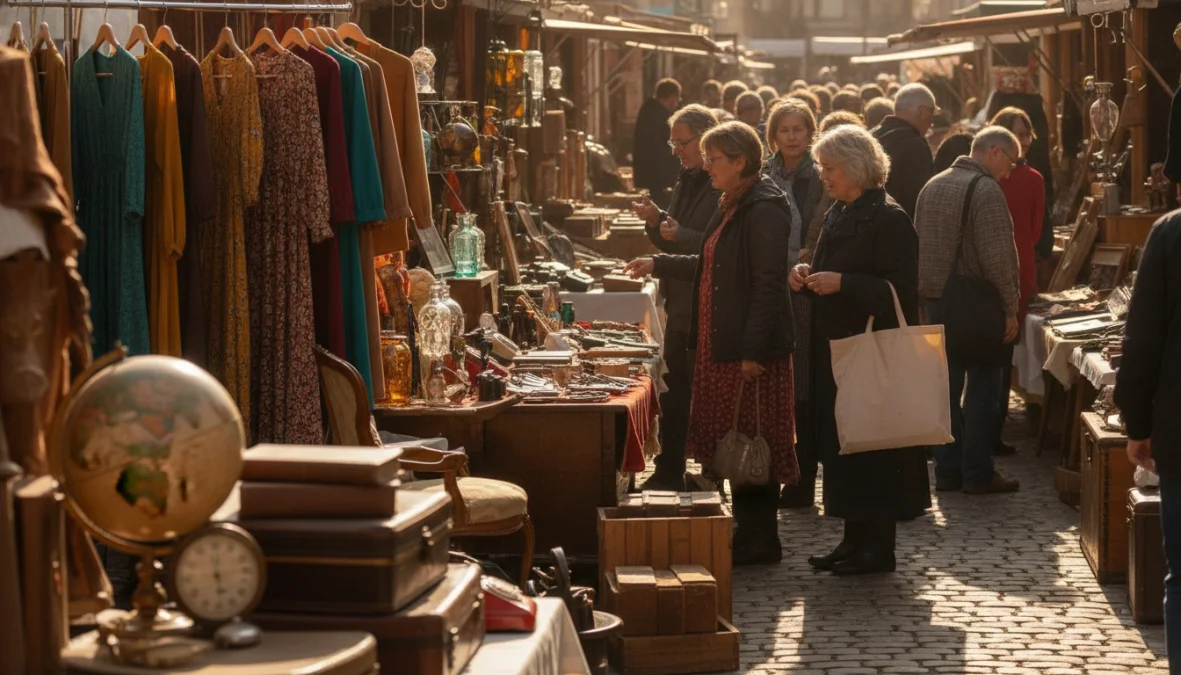
There’s something magical about rummaging through racks of vintage clothes, discovering a rare collectible tucked between dusty treasures, or stumbling upon that perfect mid-century chair that’ll transform your living room. Vintage shopping europe has become a must-do experience for travelers who crave authenticity, sustainability, and the thrill of bargain hunting. From sprawling weekend flea markets to hidden antique dealers in cobblestone alleyways, Europe’s cities offer a treasure trove of secondhand clothing, retro fashion, and vintage furniture waiting to be discovered. Whether you’re planning a solo weekend adventure or a dedicated flea market weekend europe tour, this guide will take you to the continent’s best vintage shopping destinations.
Top European Cities for Vintage Shopping and Flea Market Weekends
When it comes to vintage shopping europe, certain cities have earned legendary status among collectors and fashion enthusiasts. These european flea markets and vintage markets europe destinations offer distinct personalities and specialties that make each worth visiting.
Paris remains the undisputed queen of brocante culture. The famous Marché aux Puces de Saint-Ouen, open Saturdays through Mondays, sprawls across 15 markets with over 2,000 vendors. Expect high-quality vintage fashion, antique furniture, and collectibles, though prices reflect Paris’s luxury status (€20-€500+ for standout pieces). The Marais district complements weekend market visits with year-round vintage boutiques specializing in designer secondhand clothing.
Berlin delivers gritty, affordable vintage vibes perfect for retro fashion hunters. Mauerpark’s Sunday flea market (8am-6pm) combines vintage finds with street food and live music. For serious thrift shopping, hit RAW-Gelände’s indoor markets and Kreuzberg’s vintage stores Tuesday through Saturday. Berlin’s prices are refreshingly accessible (€5-€50 for clothing), making it ideal for budget-conscious shoppers.
Amsterdam offers charming canal-side markets like Waterlooplein (Monday-Saturday) and the massive IJ-Hallen flea market, held monthly with 750 stalls of vintage clothing, vinyl, and antiques. The Jordaan neighborhood houses curated vintage stores perfect for rainy-day browsing. Expect mid-range pricing (€10-€100) and excellent quality.
London caters to every vintage taste and budget. Portobello Road (Saturdays for antiques) is iconic but pricey, while Brick Lane (Sundays) offers edgier, affordable finds. Camden Passage and Bermondsey Market attract serious antique dealers. Shoreditch and Dalston neighborhoods provide year-round vintage shopping across dozens of independent shops.
Brussels hosts the exceptional Place du Jeu de Balle daily flea market, where prices remain remarkably reasonable. The Sunday antique market at Place du Grand Sablon showcases high-end European antiques. Brussels excels in Art Nouveau and vintage homewares.
Lisbon combines affordability with sunshine. Feira da Ladra (Tuesdays and Saturdays) sprawls across Alfama with everything from vintage azulejos to retro clothing. LX Factory’s vintage shops and Sunday markets offer curated selections in a hip industrial setting, with prices that make other capitals jealous (€3-€40 for clothing).
Planning Your European Vintage Shopping Weekend: Essential Tips and Strategies
Success at best thrift stores europe and flea market weekend europe adventures requires strategic planning beyond simply showing up. Timing, preparation, and smart tactics separate casual browsers from serious treasure hunters.
When to go: Early mornings (6-8am) give you first pick before crowds arrive, though you’ll pay higher prices. Late afternoons (after 2pm) offer better negotiation opportunities as vendors want to avoid packing unsold items. Avoid peak tourist months (July-August) when prices inflate; spring and autumn provide ideal conditions for antique shopping europe. Weekends dominate the flea market calendar, but Wednesday and Thursday often host smaller neighborhood markets with less competition.
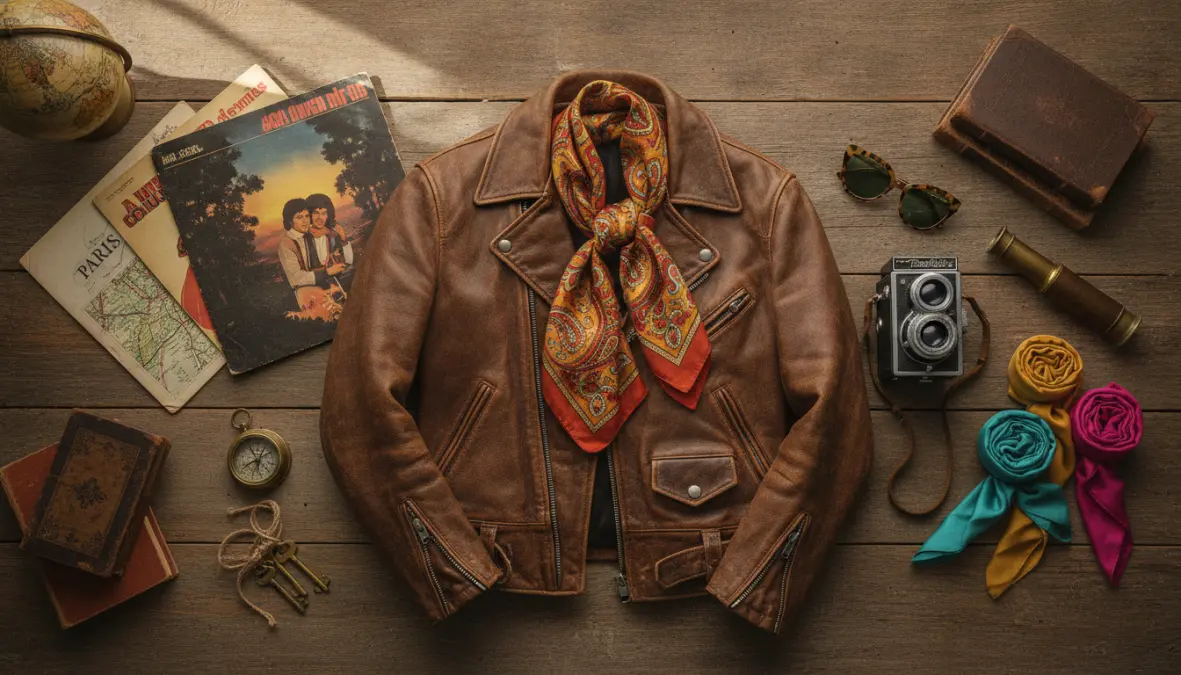
What to bring: Cash remains king at european vintage stores and street markets. Carry small bills (€5, €10, €20 notes) since many vendors can’t break large denominations. Bring a sturdy tote bag or backpack for purchases, wear comfortable shoes for hours of walking, and dress in layers you can easily remove when trying on vintage clothing over your outfit.
Negotiation techniques: Polite bargaining is expected at most flea markets but not in established vintage boutiques. Start by asking “Is this your best price?” rather than making lowball offers. Bundling multiple items often yields 10-20% discounts. Learn basic phrases in the local language—vendors appreciate the effort and may offer better deals.
Authenticity checks: Examine labels, stitching quality, and hardware on vintage clothing. Research makers’ marks on antique dealers’ furniture and collectibles. Bring a small flashlight to inspect items in dim market stalls. Don’t hesitate to ask about provenance—reputable sellers welcome questions.
Multi-market weekends: Combine markets in compact cities like Brussels or Amsterdam where you can hit 2-3 markets in a weekend using public transport or rail passes. Budget €100-€300 for a vintage shopping weekend trip europe depending on your finds and negotiation skills.
Transport solutions: For larger vintage furniture purchases, many markets have shipping services or local van rental options. Airlines increasingly charge for checked bags, so factor this into bargain hunting calculations or plan to wear your vintage clothing finds on the return flight.
Hidden Gems: Underrated Vintage Shopping Destinations in Europe
Beyond the famous names, several retro shopping destinations offer exceptional vintage markets europe experiences without the crowds or premium prices found in major capitals.
Porto, Portugal delivers outstanding value for vintage furniture and Portuguese ceramics. The Vandoma flea market (Saturdays near Sé Cathedral) attracts locals rather than tourists, keeping prices authentic (€2-€30 for most items). Porto’s vintage shops along Rua da Galeria de Paris specialize in mid-century modern pieces and retro fashion at a fraction of Lisbon’s costs.
Budapest, Hungary offers an incredible combination of affordability and quality at Ecseri Piac, the city’s massive weekend flea market. Open Saturdays and Sundays from 8am, this market rewards early risers with Communist-era collectibles, vintage Hungarian folk items, and retro clothing for €5-€50. The Jewish Quarter hosts smaller vintage boutiques with carefully curated selections.
Krakow, Poland surprises visitors with Hala Targowa Unitarg flea market (daily except Mondays) and Plac Nowy’s Sunday market. Polish vintage, from Socialist-era posters to antique amber jewelry, comes at bargain prices. The Kazimierz district features emerging vintage stores catering to the city’s student population.
Athens, Greece combines ancient history with modern vintage culture at Monastiraki Flea Market (Sundays are best). Greek island textiles, vintage ceramics, and retro clothing appear alongside tourist tat—selective browsing reveals genuine treasures for €10-€60. Psirri neighborhood shops specialize in upcycled vintage and local designers working with secondhand materials.
These destinations pair perfectly with excellent food scenes and architectural exploration, making them ideal for well-rounded weekend breaks accessible via budget airlines.
FAQ: European Vintage Shopping and Flea Markets
Which European city has the best flea markets?
Paris’s Marché aux Puces de Saint-Ouen offers the most extensive selection and prestige, but Berlin provides better value and variety for budget shoppers. For the best cities for vintage shopping in europe overall experience, Amsterdam balances quality, atmosphere, and accessibility. Choose based on your priorities: luxury finds (Paris), affordable volume (Berlin), or charming atmosphere (Amsterdam).
When are European flea markets open?
Most major flea markets operate on weekends, particularly Saturday and Sunday mornings from 8am-6pm. Some cities like Brussels and Lisbon host midweek markets (Tuesday, Wednesday). Monthly mega-markets like Amsterdam’s IJ-Hallen require checking specific dates. Summer months see extended hours, while winter markets may close earlier or operate seasonally.
How much cash should I bring to European flea markets?
Budget €100-€150 for a serious shopping day at top european cities for thrift shopping markets. Bring an additional €50-€100 emergency stash for unexpected treasures. Smaller neighborhood markets may require only €30-€50. Few vendors accept cards, and ATMs near popular markets often run dry on busy weekends, so withdraw cash beforehand.
Can you negotiate prices at European vintage markets?
Yes, polite negotiation is standard practice at outdoor flea markets and with antique dealers. Expect 10-20% discounts on marked prices, more for multiple items or end-of-day purchases. Established vintage boutiques typically have fixed prices. Southern and Eastern European markets offer more negotiation flexibility than Northern European countries.
What are the best months for vintage shopping in Europe?
April-May and September-October provide ideal conditions—pleasant weather, fewer tourists, and motivated sellers. Many cities host special vintage festivals during these shoulder seasons. March marks the season’s awakening with fresh inventory after winter. Avoid August when many local markets close for summer holidays.
Whether you’re hunting for retro fashion bargains in Berlin’s alternative neighborhoods or investing in French antiques at Parisian brocantes, Europe’s vintage shopping scene offers endless possibilities for discovery. The thrill of finding that perfect piece—whether it’s a €5 leather jacket or a €500 mid-century lamp—never gets old. Pack light, bring cash, wear comfortable shoes, and remember that the where to find vintage clothes in europe journey itself is half the treasure. Perhaps you’ll even discover free walking tours that highlight your chosen city’s vintage districts. Happy hunting!