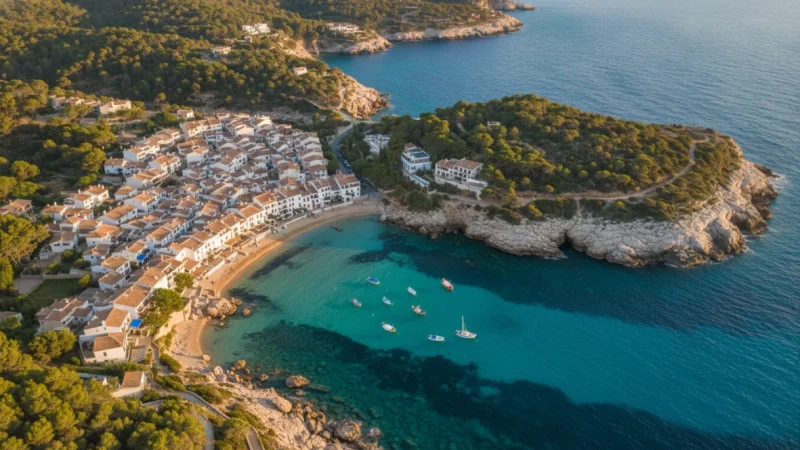
Best Garden Cities in Europe: Ultimate Guide to Botanical Weekend Escapes
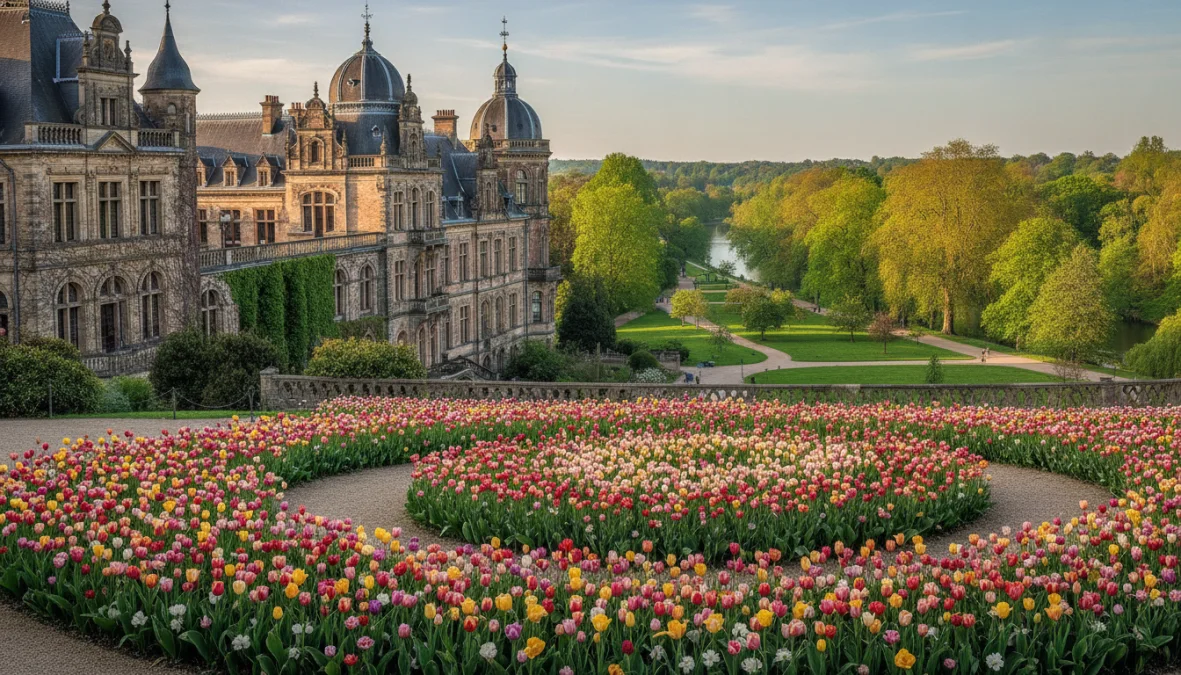
Picture this: cobblestone streets lined with blooming flower beds, historic parks bursting with exotic plants, and entire neighborhoods designed around lush green spaces. Welcome to the enchanting world of garden cities Europe has to offer—destinations where botanical beauty meets urban charm, creating the perfect setting for a rejuvenating weekend escape. Whether you’re a plant enthusiast, photography lover, or simply seeking a breath of fresh air, Europe’s garden cities promise unforgettable experiences that blend history, horticulture, and hospitality.
Why Garden Cities Europe Offer the Perfect Botanical Weekend Escape
The concept of garden cities europe celebrates traces back to the late 19th century when urban planners envisioned communities harmoniously blending residential areas with abundant green spaces. This Garden City movement, pioneered by Sir Ebenezer Howard, aimed to combine the best of city and countryside living—a vision that still thrives across European destinations today.
Europe’s diverse climate zones create a botanical paradise spanning Mediterranean citrus groves to Nordic botanical conservatories. From the tulip fields of the Netherlands to the rose gardens of Vienna, these botanical weekend escapes offer incredible plant diversity you won’t find anywhere else in such concentration. The continent’s temperate climate means almost every season brings something spectacular—spring bulbs, summer blooms, autumn foliage, or winter evergreens.
Beyond the visual feast, visiting garden cities delivers genuine wellness benefits. Studies show that spending time in green spaces reduces stress, improves mood, and boosts creativity. For photographers, these destinations provide endless inspiration with their perfectly manicured landscapes and spontaneous natural beauty. Culture enthusiasts will appreciate how these gardens tell stories of exploration, colonialism, botanical science, and artistic expression. Many gardens host concerts, exhibitions, and seasonal festivals, making them vibrant cultural hubs rather than static museums.
Top Garden Cities in Europe You Must Visit
When exploring garden cities europe has cultivated over centuries, certain destinations stand out for their exceptional botanical gardens and horticultural heritage.
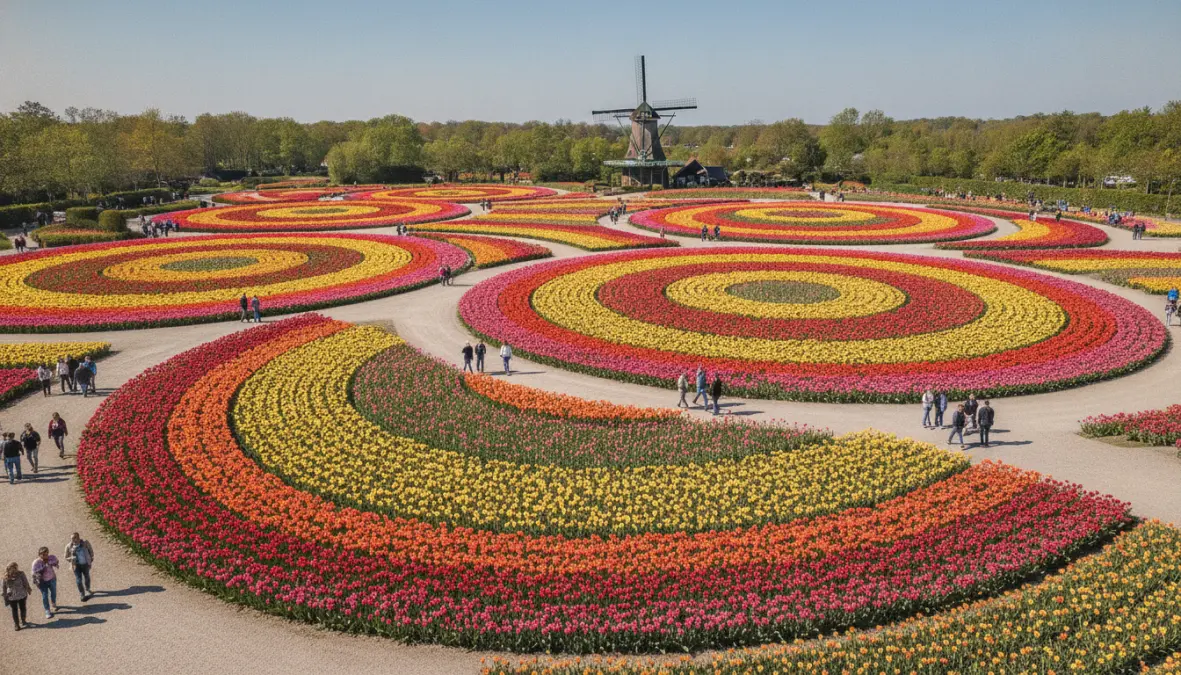
Amsterdam, Netherlands needs little introduction for garden lovers. While the city itself charms with canal-side greenery, nearby Keukenhof steals the show each spring with over seven million bulbs creating a kaleidoscope of color. This isn’t just a garden—it’s a 79-acre celebration of Dutch floriculture featuring tulips, hyacinths, and daffodils in mind-blowing combinations. Visit between mid-March and mid-May for peak bloom. The city’s Hortus Botanicus, one of the world’s oldest botanical gardens, offers year-round tropical greenhouses worth exploring.
Letchworth, United Kingdom holds special historical significance as the world’s first official Garden City, established in 1903. This Hertfordshire town remains a living example of Howard’s vision, with tree-lined avenues, communal gardens, and green belts integrated throughout residential areas. While less touristy than other destinations, it offers an authentic glimpse into garden city planning principles. Combine it with a visit to London’s spectacular Kew Gardens for a complete experience.
Copenhagen, Denmark seamlessly blends Scandinavian design with green spaces. The famous Tivoli Gardens, opened in 1843, combines amusement park thrills with beautifully landscaped gardens featuring seasonal displays. Copenhagen’s commitment to sustainability means the entire city functions as an urban garden with bike-friendly green corridors. Visit the University of Copenhagen Botanical Garden for its impressive Palm House and Arctic-Alpine collection. If you’re traveling solo, Copenhagen ranks among the best European cities for solo weekend travel.
Vienna, Austria showcases imperial botanical grandeur. Schönbrunn Palace gardens span 500 acres with baroque landscaping, the world’s oldest zoo, and the spectacular Palm House with its three climate-controlled pavilions. The Belvedere Palace gardens offer equally stunning terraced baroque gardens with fountain features. Vienna’s coffee house culture means you can enjoy garden views with excellent pastries—truly the best of both worlds.
Florence, Italy presents Renaissance garden artistry at Boboli Gardens behind Pitti Palace. These 16th-century gardens feature sculptures, grottos, and geometric plantings that inspired garden design across Europe. The Rose Garden (Giardino delle Rose) offers panoramic city views among 1,000 rose varieties. Florence also appeals to food lovers and architecture enthusiasts, making it a well-rounded destination.
Funchal, Madeira deserves special mention as Portugal’s island garden paradise. The Monte Palace Tropical Garden showcases exotic species from around the world, while the Botanical Garden displays Madeira’s unique endemic flora. The island’s levada walks through laurel forests offer botanical hiking adventures. For more island inspiration, check out the best European island weekends guide.
Spring Bloom Destinations: Tulips and Cherry Blossoms
Spring transforms certain European cities into floral wonderlands. Keukenhof in Amsterdam reigns supreme for tulip enthusiasts, with themed pavilions and outdoor gardens peaking in April. The nearby Bollenstreek region offers cycling routes through commercial bulb fields—a photographer’s dream.
Germany’s Bonn becomes a pink paradise when over 10,000 cherry blossom trees bloom along Heerstraße and the old town streets, typically in April. This free spectacle draws thousands but remains surprisingly manageable compared to similar festivals elsewhere. Prague’s Petřín Hill and Stockholm’s Kungsträdgården also offer spectacular cherry blossom displays worth planning around. These destinations shine particularly bright if you’re considering European cities to visit in March or early spring.
Year-Round Botanical Havens
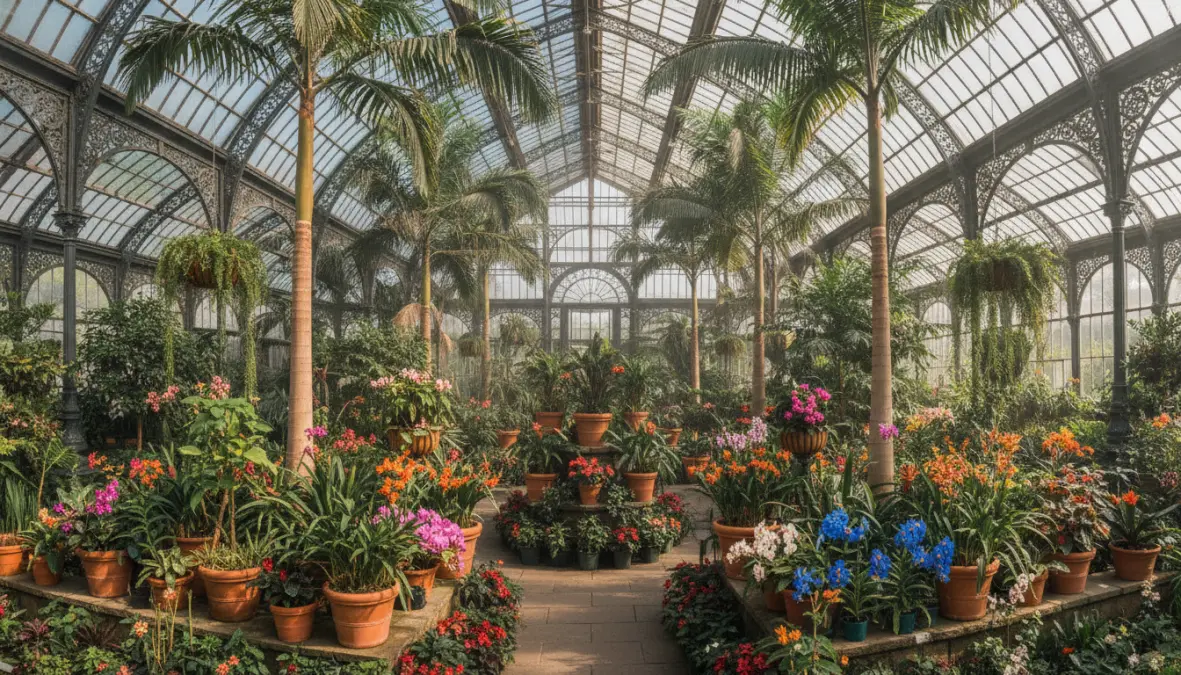
Kew Gardens in London offers world-class botanical experiences regardless of season. Its Victorian glasshouses maintain tropical, temperate, and arid environments year-round, while outdoor gardens transition through seasonal highlights. The Temperate House, recently restored, is the world’s largest surviving Victorian glasshouse.
European cities have increasingly developed tropical conservatories that bring exotic flora to northern climates. Berlin’s Botanical Garden features one of the world’s largest tropical greenhouses. Valencia’s futuristic City of Arts and Sciences includes L’Umbracle, a landscaped walk with contemporary sculpture. Milan’s vertical forest skyscrapers (Bosco Verticale) represent innovative urban botanical integration. These climate-controlled environments ensure your botanical weekend escapes deliver greenery even in winter months.
Planning Your Botanical Weekend Escape: Practical Tips
Successful garden cities europe adventures require some strategic planning. Timing matters tremendously—spring (April-May) offers peak flowering in most destinations, but also peak crowds and prices. Early autumn (September-October) provides pleasant weather, fewer tourists, and stunning foliage without spring’s intensity. Research specific gardens’ calendars, as many host special events, night openings, or seasonal displays.
For garden-hopping itineraries, consider geographic clusters: combine Amsterdam’s Keukenhof with Brussels’ botanical gardens and Ghent’s flower festivals. Or link Vienna’s imperial gardens with Budapest’s Margaret Island and Prague’s palace gardens. Budget airlines make these combinations feasible—check best budget airlines for European short breaks for cost-effective connections.
Accommodation strategy can enhance your experience significantly. Book hotels near major gardens to visit during golden hour when light and crowds are both optimal. Many botanical gardens offer early morning or evening special access for members or premium ticket holders—worth considering for photography enthusiasts.
Pack appropriately: comfortable walking shoes are non-negotiable as you’ll cover miles exploring large estates. Bring layers since gardens often have microclimates—shaded woodland walks versus sunny formal parterres. A decent camera or smartphone captures memories, while a small notebook helps serious gardeners record plant discoveries.
Budget-conscious travelers should investigate city passes that bundle botanical gardens with museums and transport. Many cities offer these, providing significant savings. Also consider that many historic gardens offer free or discounted admission on specific days. Joining free walking tours (learn how to find free walking tours) often includes park visits with expert commentary.
FAQ: Garden Cities Europe and Botanical Weekends
Which European city has the best botanical gardens?
While subjective, Kew Gardens in London consistently ranks top globally for its scientific collections, historic glasshouses, and sheer diversity—over 50,000 plant species. However, Keukenhof near Amsterdam offers the most spectacular seasonal display, and Vienna’s Schönbrunn provides the most impressive historical setting. Your “best” depends on whether you prioritize scientific depth, visual impact, or cultural context.
When is the best time to visit garden cities in Europe?
Late April through May delivers peak spring blooms across most European climates—tulips in the Netherlands, roses beginning in southern regions, and flowering trees throughout. September offers a second optimal window with autumn colors, pleasant temperatures, and fewer crowds than spring. However, year-round destinations like Kew Gardens and conservatories in Copenhagen make winter visits equally rewarding.
What is a garden city?
A garden city is an urban planning concept developed by Ebenezer Howard in 1898, designed to combine the benefits of city and countryside living. These planned communities feature abundant green spaces, gardens, and parks integrated throughout residential areas, with green belts preventing urban sprawl. Letchworth in England was the first, inspiring similar developments across Europe and beyond.
Are European flower parks open year-round?
Major botanical gardens like Kew, Vienna’s Schönbrunn, and Copenhagen’s Botanical Garden operate year-round with seasonal indoor displays supplementing outdoor gardens. However, seasonal attractions like Keukenhof only open during bloom periods (mid-March to mid-May). Always check official websites before planning, as opening hours vary significantly by season and some historic estates close for winter maintenance.
Europe’s garden cities offer far more than pretty flowers—they provide living connections to botanical history, horticultural innovation, and the enduring human desire to cultivate beauty. Whether you’re sipping coffee in a Vienna palace garden, cycling through Dutch tulip fields, or exploring tropical conservatories in London, these botanical weekend escapes remind us that the best urban experiences often grow from the ground up. So pack your walking shoes, charge your camera, and prepare to discover why garden cities europe has nurtured for centuries continue blooming as some of the continent’s most enchanting destinations.